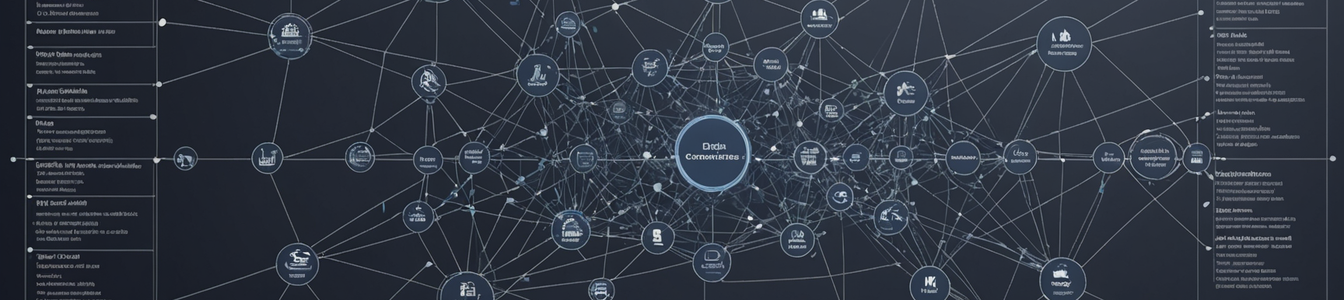
The digital landscape for political figures has become increasingly perilous as sophisticated cyberattacks target public officials and institutions in what security experts describe as a new era of political warfare. Recent incidents have revealed coordinated campaigns aimed at silencing political opposition and manipulating public discourse through digital means.
Political leaders across multiple regions are reporting targeted attacks that combine technical sophistication with psychological manipulation. These campaigns often begin with reconnaissance phases where attackers gather intelligence on their targets' digital footprints, social media activity, and communication patterns. The attacks typically escalate through multiple vectors, including distributed denial-of-service (DDoS) attacks against official websites, credential phishing campaigns, and social media manipulation.
Cybersecurity analysts have identified several concerning patterns in these political cyberattacks. The attackers demonstrate advanced understanding of both technical vulnerabilities and human psychology, crafting campaigns that exploit specific political contexts and timing their operations to maximize impact during critical political moments. The technical methods employed range from relatively simple website defacements to complex persistent threats that maintain long-term access to compromised systems.
One particularly troubling aspect is the weaponization of artificial intelligence in these attacks. Threat actors are leveraging AI-powered tools to create convincing deepfakes, generate targeted disinformation campaigns, and automate social media manipulation at unprecedented scales. These capabilities lower the barrier to entry for political cyber operations while simultaneously increasing their potential impact.
The legal sector's ongoing adaptation to technological pressures offers valuable lessons for political institutions. As law firms and legal departments implement advanced security measures to protect sensitive client information, they're developing frameworks that could be adapted to protect political entities. However, the unique nature of political work—with its requirement for public accessibility and transparency—creates additional security challenges that commercial organizations don't face.
Security professionals emphasize that defending against these threats requires a multi-layered approach combining technical controls, staff training, and robust incident response planning. Basic cybersecurity hygiene remains critically important, with many successful attacks exploiting unpatched systems, weak passwords, and inadequate access controls.
Political organizations must also consider the ethical dimensions of their cybersecurity strategies. While strong security measures are essential, they must be balanced against the need for transparency and public accountability. This balancing act becomes particularly challenging when dealing with sophisticated state-sponsored actors who have virtually unlimited resources.
The international dimension of these attacks adds another layer of complexity. Cybersecurity investigators often trace political cyberattacks across multiple jurisdictions, complicating attribution and legal response. The lack of international consensus on norms for political cyber operations creates a permissive environment for attackers.
Looking forward, security experts predict that political cyberattacks will continue to evolve in sophistication and scale. The integration of emerging technologies like quantum computing and 5G networks will create new attack surfaces while also offering potential defensive advantages. Political institutions that fail to invest adequately in cybersecurity risk becoming vulnerable to increasingly sophisticated manipulation campaigns.
The professional cybersecurity community has a crucial role to play in addressing these challenges. By developing specialized frameworks for political cybersecurity, sharing threat intelligence across organizational boundaries, and advocating for stronger international norms, security professionals can help protect democratic processes from digital subversion.
As the threat landscape continues to evolve, the relationship between cybersecurity and political integrity becomes increasingly inseparable. Protecting political figures and institutions from digital attacks is no longer just a technical challenge—it's fundamental to preserving democratic governance in the digital age.
Comentarios 0
Comentando como:
¡Únete a la conversación!
Sé el primero en compartir tu opinión sobre este artículo.
¡Inicia la conversación!
Sé el primero en comentar este artículo.