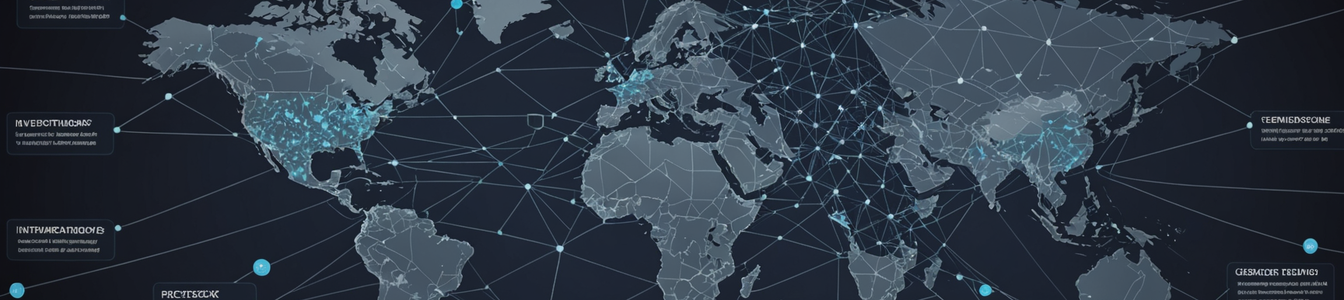
The cybersecurity investment ecosystem is witnessing a fundamental realignment as political networks and geopolitical strategy become increasingly central to funding decisions and technological direction. This shift represents a departure from traditional venture capital models toward a more complex landscape where national security priorities and political relationships shape which technologies receive support and which markets they can access.
Recent investment activity underscores this transformation. A prominent example includes the $33 million funding round for an Israeli cybersecurity startup led by key figures from the previous U.S. administration. This investment highlights how political connections are becoming critical gateways for cybersecurity funding, particularly for companies operating in sensitive national security domains. The involvement of former government officials with deep intelligence and artificial intelligence expertise signals a growing recognition that cybersecurity technologies require both technical excellence and political savvy to succeed in today's global market.
The geopolitical dimension extends beyond individual investments to broader market dynamics. Companies like Palantir, which have built their business models around government contracts and national security work, are demonstrating how geopolitical positioning can translate into financial success. Their recent record stock performance following strong quarterly results reflects investor confidence in companies that can navigate the complex intersection of technology, government, and international relations.
This trend is particularly evident in artificial intelligence and data analytics sectors, where the line between commercial technology and national security capabilities has become increasingly blurred. Cybersecurity startups specializing in threat intelligence, critical infrastructure protection, and offensive security capabilities are finding that their funding prospects often depend as much on their geopolitical alignment as on their technical innovation.
For cybersecurity professionals and entrepreneurs, these developments create both opportunities and challenges. On one hand, political connections can provide access to funding, markets, and strategic partnerships that might otherwise be unavailable. On the other hand, they introduce new complexities around regulatory compliance, export controls, and potential restrictions on international expansion.
The implications extend to talent acquisition and retention as well. Cybersecurity experts must now consider not only the technical challenges and compensation packages but also the political implications of their work. Companies with strong government ties may offer unique opportunities to work on cutting-edge national security problems but may also face limitations in their global operations.
Looking ahead, the convergence of political networks and cybersecurity investment appears likely to accelerate. As nation-state cyber threats become more sophisticated and widespread, governments are taking a more active role in shaping the cybersecurity technology landscape. This includes not only direct funding but also strategic guidance, regulatory frameworks, and diplomatic support for preferred technologies and companies.
For the global cybersecurity community, this evolution demands a more nuanced understanding of the political dimensions of technology development and deployment. Technical excellence remains essential, but success in today's market requires navigating complex political landscapes and understanding how geopolitical considerations influence everything from funding to market access to international partnerships.
The changing investment paradigm also raises important questions about the future of cybersecurity innovation. Will political considerations lead to fragmentation in global cybersecurity standards and technologies? How will companies maintain their technological edge while navigating complex political relationships? These questions will become increasingly central to strategic planning for cybersecurity organizations of all sizes.
As the industry continues to evolve, one thing is clear: the days when cybersecurity could be considered purely a technical domain are over. The future belongs to organizations and professionals who can master both the technical and political dimensions of digital security in an increasingly interconnected and contested global landscape.
Comentarios 0
Comentando como:
¡Únete a la conversación!
Sé el primero en compartir tu opinión sobre este artículo.
¡Inicia la conversación!
Sé el primero en comentar este artículo.