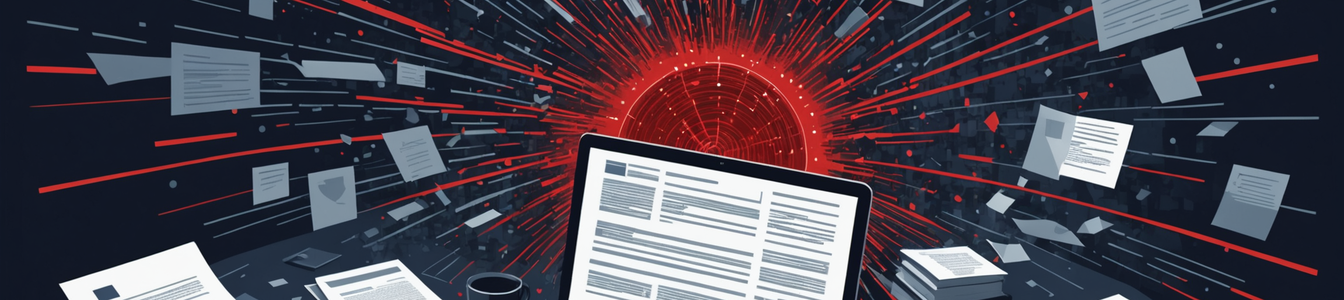
The digital battlefield has expanded beyond traditional cyber attacks into the realm of strategic information warfare, where political leaks are becoming weapons of choice for state and non-state actors. Recent incidents across multiple continents reveal a disturbing trend: confidential information is being systematically weaponized to influence political outcomes, damage reputations, and destabilize governments.
In the United States, the Democratic Party's release of emails allegedly from Jeffrey Epstein has ignited a political firestorm. The correspondence, which reportedly contains statements about Donald Trump's knowledge of activities at Epstein's properties, represents a classic case of strategic information disclosure. The White House has responded by accusing Democrats of orchestrating a smear campaign through selective leaking, highlighting how digital evidence can be curated and timed for maximum political impact.
The Philippines presents another compelling case study, where rumors of an International Criminal Court warrant against a Duterte ally circulated through unofficial channels. Security analysts suggest this may represent a calculated leak designed to test political waters or destabilize opposition figures. The incident demonstrates how unverified information can be weaponized through strategic dissemination, creating political pressure without formal accusations.
Meanwhile, in Spain, the judicial system faces its own credibility crisis as the country's top prosecutor defends himself in a leak trial. This case underscores how even institutions responsible for maintaining information security can become compromised, potentially undermining public trust in democratic processes.
From a cybersecurity perspective, these incidents reveal several critical vulnerabilities. First, the human factor remains the weakest link in information security chains. Whether through insider threats, social engineering, or compromised credentials, attackers continue to exploit human vulnerabilities to access sensitive information.
Second, the timing and method of information release suggest sophisticated operational planning. Cybersecurity professionals note that strategic leaks often coincide with key political events or voting periods, indicating careful coordination between information acquisition and political objectives.
Third, attribution remains challenging. Advanced threat actors employ multiple layers of obfuscation, including false flag operations and intermediary distribution channels, making it difficult to definitively identify the sources of leaks.
The technical infrastructure supporting these operations varies from simple email compromises to complex network intrusions. Security teams report seeing increased use of cloud storage exfiltration, encrypted communication channels for coordination, and dark web platforms for information distribution.
Organizations must adapt their security posture to address these emerging threats. Key recommendations include implementing zero-trust architectures, enhancing data loss prevention systems, conducting regular security awareness training, and developing comprehensive incident response plans specifically addressing information leak scenarios.
The legal and ethical dimensions of these operations also demand attention. As the line between legitimate whistleblowing and malicious information warfare blurs, organizations must navigate complex regulatory environments while maintaining transparency and accountability.
Looking forward, the convergence of artificial intelligence and information operations presents new challenges. AI-powered tools can accelerate the analysis and weaponization of leaked data, while deepfake technology threatens to further erode trust in digital evidence.
Cybersecurity professionals must collaborate across sectors to develop robust detection and mitigation strategies. This includes sharing threat intelligence, standardizing forensic methodologies, and establishing clear protocols for responding to politically motivated information operations.
The weaponization of information leaks represents a fundamental shift in how political conflicts are waged in the digital age. As these tactics become more sophisticated and widespread, the cybersecurity community must evolve its approaches to protect democratic institutions and preserve public trust in an increasingly interconnected world.
Comentarios 0
Comentando como:
¡Únete a la conversación!
Sé el primero en compartir tu opinión sobre este artículo.
¡Inicia la conversación!
Sé el primero en comentar este artículo.