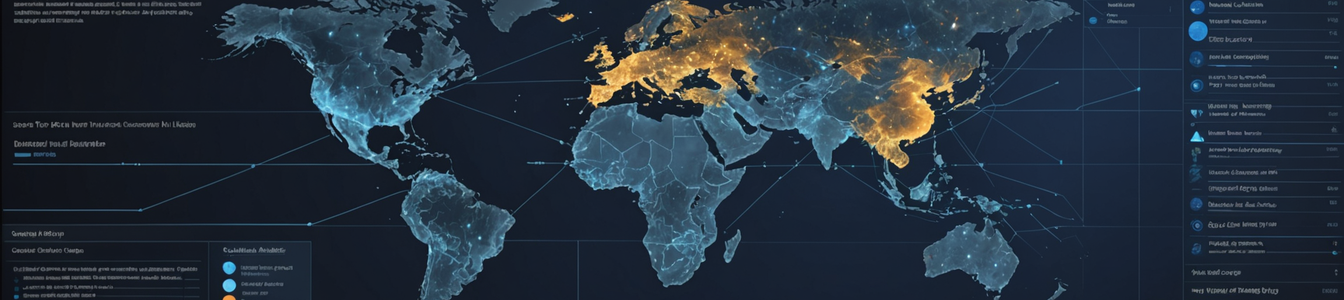
The modern Security Operations Center faces a paradox: more data than ever before, yet greater difficulty identifying genuine threats. As geopolitical tensions escalate across multiple regions simultaneously, SOC teams are drowning in intelligence noise while trying to distinguish cyber threats from physical world events. Recent developments illustrate this challenge with alarming clarity.
The Convergence of Physical and Digital Threats
This week's coordinated militant attacks in Pakistan's Balochistan province, which killed four police officers across multiple districts, triggered immediate security responses worldwide. For SOC analysts, such events create immediate pressure to monitor for potential cyber retaliation, hacktivist activity, or infrastructure targeting. The attacks occurred alongside satellite imagery showing increased activity at Iranian nuclear facilities during domestic protest crackdowns—a development that prompted immediate US drone surveillance operations in the Strait of Hormuz region.
According to defense technology reports, the United States has deployed advanced surveillance systems including Reaper and Triton drones, operating at significant cost to monitor Iranian movements. This physical surveillance generates digital footprints that SOCs must analyze alongside traditional cyber threat indicators.
The Diplomatic Dimension
Simultaneously, diplomatic tensions between Israel and South Africa escalated with reciprocal envoy expulsions, creating another layer of geopolitical complexity. Each of these events generates thousands of intelligence signals that flood SOC monitoring systems, from social media chatter and dark web forums to satellite data feeds and diplomatic communications intercepts.
Technical Challenges for Modern SOCs
The primary technical challenge lies in correlation. Traditional Security Information and Event Management (SIEM) systems weren't designed to process geopolitical events as threat indicators. Modern SOCs are now implementing several key adaptations:
- Enhanced OSINT Integration: Security teams are incorporating Open Source Intelligence tools that automatically ingest and categorize geopolitical events, assigning preliminary threat scores based on historical cyber activity patterns associated with similar incidents.
- AI-Powered Signal Filtering: Machine learning algorithms are being trained to distinguish between 'background noise' geopolitical events and those with high probability of cyber spillover. These systems analyze historical data to identify patterns—for instance, certain types of militant attacks have historically been followed by DDoS campaigns against government websites within 48-72 hours.
- Cross-Domain Correlation Engines: Advanced SOCs are developing proprietary correlation engines that link physical events with cyber indicators. When satellite imagery shows increased activity at nuclear facilities, these systems automatically increase monitoring priority for industrial control system (ICS) threats in related sectors.
- Threat Intelligence Platform Enhancements: Commercial TIPs are adding geopolitical modules that provide context around physical events, helping analysts understand which cyber threat actors are likely to be motivated by specific incidents.
The Human Factor: Analyst Burnout
The human cost of this intelligence overload is significant. SOC analysts report increased alert fatigue as they must process not just traditional security alerts but also assess geopolitical developments. Leading organizations are implementing several countermeasures:
- Specialized Geopolitical Analyst Roles: Some enterprises are creating dedicated positions focusing specifically on the intersection of physical events and cyber threats.
- Rotational Crisis Monitoring: Teams rotate through heightened monitoring periods during geopolitical crises to prevent burnout.
- Enhanced Visualization Tools: Advanced dashboards that visually separate physical world events from cyber incidents help analysts maintain situational awareness.
Case Study: The Strait of Hormuz Monitoring
The US drone surveillance operation in the Strait of Hormuz provides a concrete example. While primarily a physical security measure, this deployment has multiple cyber implications that SOCs must consider:
- Increased risk of GPS spoofing or jamming attacks against commercial shipping
- Potential targeting of drone command and control infrastructure
- Hacktivist responses targeting US or allied government websites
- Espionage campaigns against defense contractors involved in surveillance operations
SOC teams monitoring organizations in shipping, energy, or defense sectors must adjust their threat models accordingly, often within hours of such developments becoming public.
Strategic Recommendations
Based on current trends, security leaders should consider:
- Integrating Geopolitical Risk into Threat Models: Regular updates to organizational threat models that incorporate geopolitical developments.
- Developing Crisis Playbooks: Specific response protocols for different types of geopolitical events, outlining monitoring priorities and response procedures.
- Investing in Specialized Training: Ensuring SOC analysts understand how physical world events translate to cyber threats.
- Enhancing External Intelligence Partnerships: Collaborating with specialized geopolitical risk firms for contextual analysis.
The Future of SOC Operations
As geopolitical tensions continue to evolve, the SOC's role will increasingly expand beyond traditional cybersecurity. The most advanced organizations are already treating geopolitical intelligence as a core component of their security posture, rather than an external factor. This integration represents the next evolution in enterprise security—recognizing that in our interconnected world, physical and digital threats are inextricably linked.
The organizations that successfully navigate this new reality will be those that invest not just in technology, but in the processes and expertise needed to make sense of an increasingly complex threat landscape. The alternative—continuing to operate with traditional cyber-only focus—leaves enterprises dangerously exposed to threats that emerge from the physical world but manifest in digital attacks.
Comentarios 0
Comentando como:
¡Únete a la conversación!
Sé el primero en compartir tu opinión sobre este artículo.
¡Inicia la conversación!
Sé el primero en comentar este artículo.