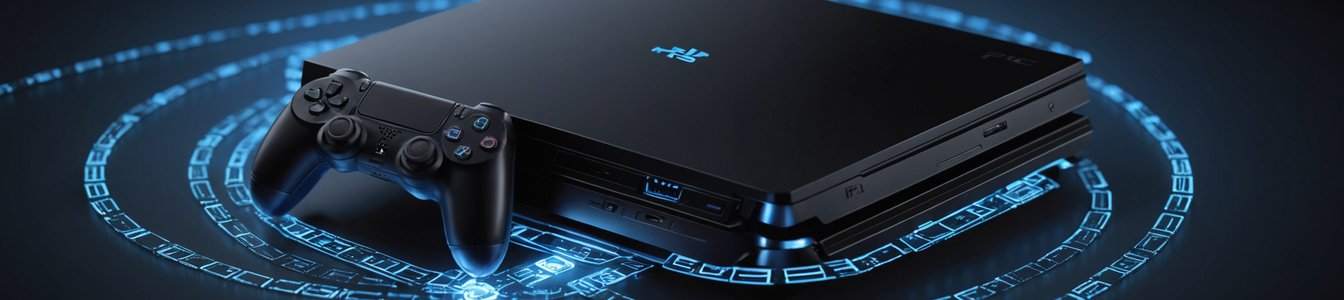
The cybersecurity landscape for consumer gaming devices is witnessing a peculiar and financially charged phenomenon. A newly uncovered software exploit for the PlayStation 5, one of the most secure modern consoles to date, has not only opened a path for unauthorized homebrew software but has also ignited a frenzied grey market for a seemingly worthless piece of plastic: a specific, years-old game disc.
The Core Vulnerability: Legacy Meets Modernity
The exploit, details of which are circulating within specialized hacking forums, reportedly targets a flaw in the PS5's Blu-ray disc drive firmware. Unlike purely digital attacks, this vulnerability is physical, requiring the console to read data from a particular older game disc. The disc's unique data structure, when processed by the drive's software, triggers a buffer overflow or a similar memory corruption error. This error grants attackers a critical foothold, allowing them to bypass Sony's stringent security layers, including the hypervisor, and ultimately achieve kernel-level access. This level of access is the holy grail for jailbreakers, enabling the installation of unofficial software, emulators, and pirated games.
The Gold Rush: From Obsolete Media to Digital Key
The immediate and most visible impact has been economic. One game in particular, a Star Wars title released for the PlayStation 4 era, has been identified as a reliable trigger for this exploit. Almost overnight, listings for this game on platforms like eBay and Mercari have seen prices soar from a typical second-hand value of $10-$20 to well over $200, with some sealed copies demanding premiums exceeding $500. This price inflation is driven entirely by its utility as an exploit vehicle, not by its value as entertainment.
This creates a classic grey market. Sellers, often aware of the disc's new purpose, are capitalizing on the demand from the jailbreaking community. Buyers are not collectors or fans, but individuals seeking the simplest physical key to unlock their console. The situation mirrors historical precedents in other consoles, where specific game cartridges or discs became valuable commodities due to their role in exploitation chains.
Security Implications Beyond the Hack
For cybersecurity professionals, this event is a multifaceted case study. First, it highlights the persistent attack surface presented by backward compatibility and legacy support. To play older PS4 titles, the PS5 must incorporate complex firmware to read and interpret that data, inheriting any vulnerabilities that may have existed in that processing chain. This "legacy attack surface" is a critical consideration for device security architects.
Second, it demonstrates the rapid emergence of shadow economies around exploit prerequisites. The supply chain for a software hack now often includes physical, sometimes rare, components. This complicates the patch cycle; while Sony can (and likely will) release a firmware update to patch the disc drive vulnerability, the physical discs in circulation remain permanent potential attack vectors for unpatched consoles.
Third, it raises questions about user risk. Users performing jailbreaks often disable security features, connect to unofficial servers for homebrew apps, and expose their consoles to modified and potentially malicious code. This can lead to bricked consoles, personal data theft, and the creation of botnet nodes. The millions of users who might pursue this jailbreak are trading system integrity and security for functionality, often without a full understanding of the risks.
The Broader Trend and Industry Response
This PS5 incident is part of a broader "jailbreak gold rush" trend. As console security becomes more robust, leveraging obscure hardware and software interactions—often involving physical media—has become a common theme. The discovery of such flaws is celebrated in hacking communities but poses a significant dilemma for manufacturers.
Sony's likely response will be a mandatory firmware update that patches the disc drive vulnerability, rendering the specific game disc inert as an exploit tool. This will effectively collapse the speculative market for that disc. However, the cat-and-mouse game will continue. Researchers and hackers will scour the code of other old games, looking for the next trigger.
The incident serves as a stark reminder that in an increasingly digital age, physical media can retain unexpected and potent digital power. For the cybersecurity industry, it reinforces the need for robust software supply chain security, comprehensive fuzz testing of all data input channels (including legacy ones), and clear communication to consumers about the elevated risks associated with jailbreaking secured devices. The true cost of this PS5 jailbreak may not be the price of an old Star Wars game, but the collective security posture of a compromised device ecosystem.
Comentarios 0
Comentando como:
¡Únete a la conversación!
Sé el primero en compartir tu opinión sobre este artículo.
¡Inicia la conversación!
Sé el primero en comentar este artículo.