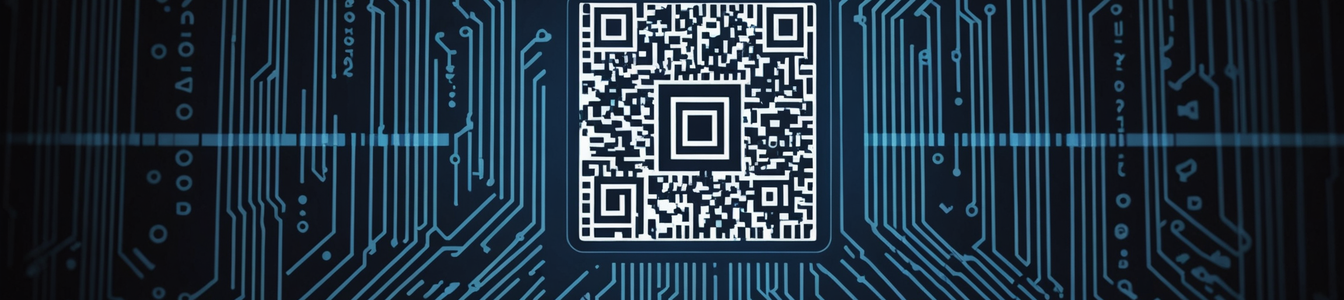
European cybersecurity authorities are sounding the alarm over a dramatic surge in QR code phishing attacks, known as 'quishing,' targeting consumers through manipulated public service infrastructure. The German Federal Office for Information Security (BSI) and Swedish police have documented numerous cases where cybercriminals are weaponizing everyday QR code scanners by replacing legitimate codes with malicious counterparts.
This sophisticated attack vector primarily targets parking payment systems and public service platforms across major European cities. Attackers physically overlay fake QR codes on legitimate ones or completely replace existing codes on parking meters, ticket machines, and public information displays. When unsuspecting users scan these codes, they're redirected to convincing fake payment portals that harvest financial information or credential-stealing pages disguised as official government services.
The BSI's latest situational report highlights the alarming effectiveness of these attacks, noting that quishing incidents have increased by over 300% in the past six months. What makes this threat particularly dangerous is its hybrid nature, combining physical tampering with digital deception. Victims often don't realize they've been compromised until unauthorized transactions appear on their accounts or their identities are stolen.
Swedish authorities in Uppsala have documented cases where attackers replaced QR codes on municipal parking meters with codes leading to fake payment sites. The sophistication of these fake portals is remarkable – they often feature legitimate-looking logos, proper SSL certificates, and interfaces nearly identical to genuine payment processors.
Security researchers have identified several technical aspects that make quishing particularly effective. Unlike traditional phishing that relies on email filtering, QR codes bypass most security controls since the scanning occurs on personal devices. Additionally, the shortened URLs commonly used in QR codes make it difficult for users to verify the destination before visiting.
The European Cybersecurity Agency recommends several protective measures: Always verify that QR codes haven't been physically tampered with; use QR scanner apps that preview URLs before opening; avoid scanning codes in unsecured public locations; and implement two-factor authentication for all payment and service accounts.
Organizations responsible for public infrastructure are advised to implement tamper-evident QR code displays, regular physical inspections, and digital authentication methods that verify code legitimacy. Some municipalities are exploring dynamic QR codes that change periodically or include digital signatures to prevent replication.
As QR code usage continues to expand in public services, the security community must develop more robust detection and prevention mechanisms. Current mobile operating systems and security apps are playing catch-up with this emerging threat, highlighting the need for integrated security solutions that can detect malicious QR code behavior in real-time.
The economic impact of these attacks is substantial, with estimates suggesting European consumers have lost millions to quishing schemes in recent months. Beyond financial losses, the erosion of public trust in digital payment systems and government services represents a longer-term concern that could hinder digital transformation initiatives.
Security professionals emphasize that combating quishing requires a multi-layered approach combining public education, technological solutions, and physical security measures. As attackers continue to refine their techniques, the cybersecurity community must remain vigilant in developing countermeasures that protect both digital and physical attack surfaces.
Comentarios 0
Comentando como:
¡Únete a la conversación!
Sé el primero en compartir tu opinión sobre este artículo.
¡Inicia la conversación!
Sé el primero en comentar este artículo.