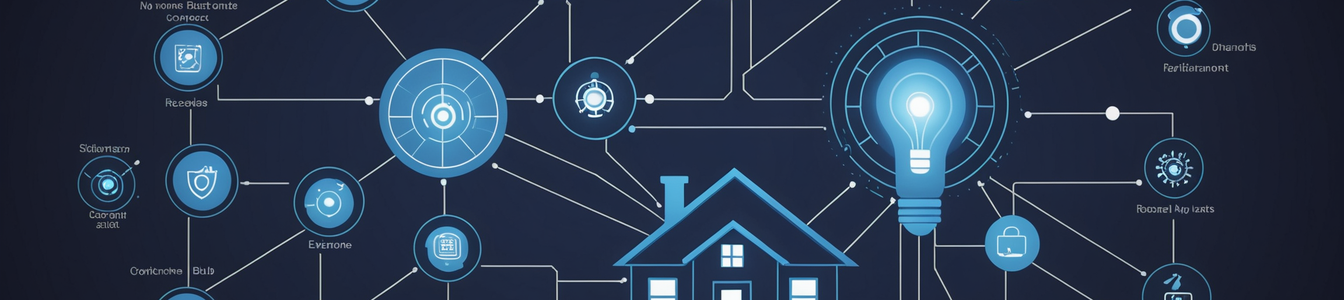
The smart home revolution has reached an inflection point where convenience is colliding with capability, exposing fundamental security flaws in consumer networking infrastructure. As households accumulate dozens—sometimes hundreds—of connected devices, from smart bulbs and thermostats to security cameras and voice assistants, the humble home router is becoming the weakest link in the security chain. This infrastructure crisis represents one of the most significant yet overlooked threats in consumer IoT security today.
The Hidden Client Limit Crisis
Most consumers operate under the assumption that their Wi-Fi router can handle an unlimited number of devices. This misconception creates a dangerous security environment. In reality, consumer-grade routers have strict hardware limitations on concurrent connections, typically ranging from 32 devices for budget models to 250 for premium units. These limits are rarely documented in product specifications and often discovered only when networks begin failing.
When routers exceed their client capacity, they don't simply slow down—they behave unpredictably. Devices may be randomly disconnected, network segmentation can fail, and security protocols may be inconsistently applied. This creates security blind spots where devices operate without proper authentication or encryption. From a cybersecurity perspective, an overloaded router represents a single point of failure that can compromise an entire smart home ecosystem. Attack surfaces expand as devices reconnect intermittently, potentially accepting connections from malicious actors during unstable states.
The NAS Evolution: From Storage to Security Liability
Frustrated by router limitations, advanced users are increasingly turning to Network Attached Storage (NAS) systems as DIY smart home hubs. Modern NAS devices from companies like Synology and QNAP now offer sophisticated applications that can replace dedicated smart home controllers, media servers, and backup solutions. While this approach solves the scalability problem, it introduces enterprise-level security risks into consumer environments.
These NAS systems often run complex operating systems with web interfaces, Docker containers, and remote access capabilities—features that most consumers lack the expertise to secure properly. Default configurations frequently include unnecessary services exposed to the internet, weak authentication mechanisms, and outdated software components. Cybersecurity researchers have documented numerous vulnerabilities in consumer NAS devices that, when exploited, provide attackers with persistent access to home networks and all connected IoT devices.
The Environmental-Security Paradox
The proliferation of smart cleaning technologies—robot vacuums, mops, and air purifiers—adds another dimension to the infrastructure crisis. These devices contribute to electronic waste and energy consumption while expanding the attack surface. Each additional IoT device represents another potential entry point, another set of credentials to manage, and another lifecycle security concern. The environmental impact of constantly upgrading networking equipment to handle more devices creates a sustainability challenge that intersects with security when older, vulnerable devices remain in service beyond their support lifecycle.
Architectural Implications for Cybersecurity
This convergence of limitations presents a multi-faceted threat landscape:
- Network Saturation Attacks: Malicious actors could deliberately flood home networks with connection requests to trigger router failures, creating chaos that masks other attacks.
- NAS Device Exploitation: Poorly secured NAS systems become high-value targets, serving as pivot points to access all connected smart home devices and potentially exfiltrate personal data.
- Fragmented Security Management: With devices spread across routers, NAS systems, and cloud platforms, consistent security policy enforcement becomes nearly impossible for consumers.
- Lifecycle Vulnerabilities: The pressure to upgrade networking equipment creates security gaps when older devices remain connected without updates or proper isolation.
Toward More Secure Smart Home Foundations
The solution requires both technical and educational approaches. Manufacturers must be transparent about device limitations and provide better security defaults. Network segmentation—separating IoT devices from personal computers and smartphones—should become standard practice, not advanced configuration. Consumer education must emphasize that adding smart devices requires corresponding security considerations, not just technical compatibility.
For cybersecurity professionals, this infrastructure crisis represents both a threat and an opportunity. Security assessments must now include evaluations of home network capacity and configuration alongside traditional vulnerability scanning. The industry needs standards for IoT device density recommendations and clearer security implications of exceeding them.
The smart home of the future cannot be built on today's fragile foundations. As connected devices continue to proliferate—from luxury smart homes with integrated wine cellars and steam rooms to modest apartments with basic automation—the security community must advocate for architectures that prioritize security alongside convenience. The alternative is a landscape of vulnerable homes where the very infrastructure meant to enable smart living becomes its greatest weakness.
Comentarios 0
Comentando como:
¡Únete a la conversación!
Sé el primero en compartir tu opinión sobre este artículo.
¡Inicia la conversación!
Sé el primero en comentar este artículo.