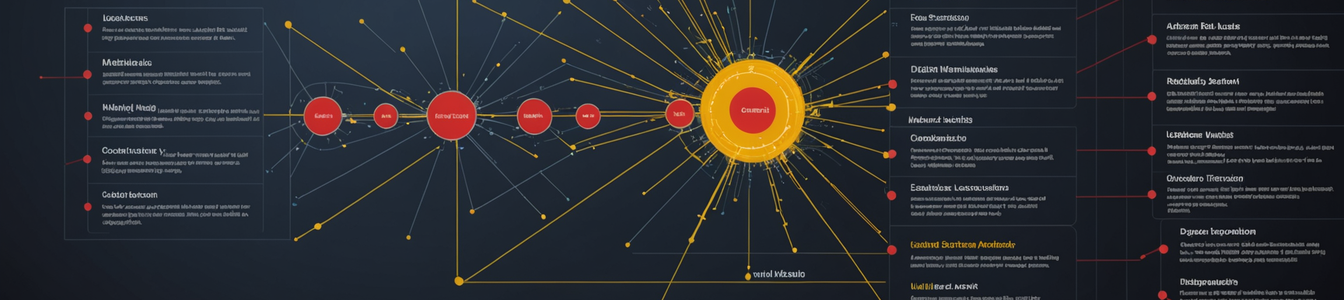
The cybersecurity landscape is facing a dual threat as the PolarEdge botnet expands its campaign against enterprise routers while evasive malware techniques see a dramatic 40% increase. Recent analysis reveals that the sophisticated botnet has significantly broadened its targeting to include networking equipment from industry leaders Cisco, ASUS, QNAP, and Synology.
This expansion represents a strategic shift in criminal operations, focusing on critical network infrastructure that forms the backbone of corporate operations. The PolarEdge campaign demonstrates advanced capabilities in compromising router security, potentially giving attackers persistent access to corporate networks and the ability to monitor, manipulate, or disrupt business communications.
Concurrently, the WatchGuard Threat Lab's latest quarterly report documents a alarming 40% surge in evasive malware utilizing encrypted connections. This trend indicates that cybercriminals are increasingly adopting sophisticated techniques to bypass traditional security measures. The use of encryption not only hides malicious payloads from detection but also complicates forensic analysis and threat intelligence gathering.
The convergence of these two trends—expanded botnet targeting and enhanced evasion capabilities—creates a perfect storm for enterprise security teams. Organizations relying on the affected router manufacturers must reassess their security posture and implement additional defensive measures.
Technical analysis of the PolarEdge campaign reveals several concerning characteristics. The botnet employs multi-stage deployment mechanisms, often beginning with credential stuffing attacks or exploitation of known vulnerabilities in router firmware. Once established, the malware establishes encrypted command and control channels that blend with legitimate network traffic, making detection through conventional means exceptionally challenging.
The targeting of routers from multiple major manufacturers suggests the attackers have developed versatile exploitation techniques rather than focusing on vendor-specific vulnerabilities. This approach increases the potential impact across diverse enterprise environments and complicates defense strategies that might otherwise focus on single-vendor security measures.
Security professionals should prioritize several key defensive actions in response to this evolving threat. Immediate firmware updates for all network infrastructure devices are essential, particularly for routers from the targeted manufacturers. Enhanced monitoring of network traffic for unusual encrypted connections and implementation of zero-trust architecture principles can help mitigate the risk of persistent compromise.
Additionally, organizations should review and strengthen authentication mechanisms for network management interfaces, implement network segmentation to limit lateral movement, and deploy advanced threat detection solutions capable of analyzing encrypted traffic without compromising performance or privacy.
The economic impact of such widespread router compromises could be substantial, ranging from data theft and intellectual property loss to operational disruption and reputational damage. The strategic positioning of routers within network architecture means successful compromises could provide attackers with comprehensive visibility into organizational communications and data flows.
As the threat landscape continues to evolve, the security community must adapt its defensive strategies accordingly. The combination of expanded botnet operations and sophisticated evasion techniques represents a new normal in cyber threats, requiring equally sophisticated and proactive defense measures.
Enterprise security teams should collaborate with industry peers and information sharing organizations to stay informed about emerging threats and effective countermeasures. Regular security assessments, penetration testing, and red team exercises can help identify vulnerabilities before they're exploited by threat actors employing these advanced techniques.
The ongoing development of the PolarEdge botnet and the general trend toward more evasive malware underscore the critical importance of continuous security monitoring, timely patching, and defense-in-depth strategies in protecting modern enterprise networks.
Comentarios 0
Comentando como:
¡Únete a la conversación!
Sé el primero en compartir tu opinión sobre este artículo.
¡Inicia la conversación!
Sé el primero en comentar este artículo.