The cascading effects of geopolitical instability are no longer confined to financial markets or diplomatic channels. They are now manifesting as tangible stress fractures in the very foundations of societal stability: water, energy, food, and healthcare delivery systems. Recent incidents across India, Australia, and the United States reveal a disturbing pattern of critical infrastructure operating at the breaking point, exposing dependencies that cybersecurity professionals must urgently address.
The Water Crisis: Hyderabad's Digital-Physical Nexus
In Hyderabad, India, a severe water shortage preceding peak summer months has created a crisis where operational technology meets desperate human need. Borewells are running dry, tanker costs are skyrocketing, and the municipal water distribution system is under unprecedented strain. For SecOps teams, this represents more than a resource scarcity issue—it's a cybersecurity scenario unfolding in real time.
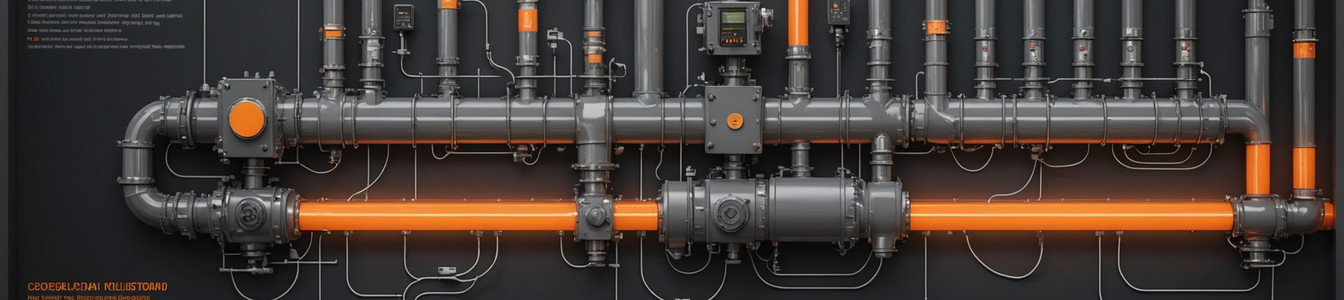
The supervisory control and data acquisition (SCADA) systems managing water distribution, pressure regulation, and reservoir management are operating under extreme conditions. These stressed OT environments become vulnerable to manipulation, where even minor disruptions could trigger catastrophic failures. Threat actors monitoring such situations could time attacks for maximum impact, knowing that backup systems and manual overrides are already compromised by physical limitations.
Energy and Logistics: The Fuel Price Domino Effect
Parallel crises are emerging in energy distribution and transportation. In India, delays in LPG cylinder deliveries have pushed households toward a dangerous black market, with prices reaching ₹4000 per cylinder—far above regulated rates. This supply chain breakdown reveals vulnerabilities in the tracking, distribution, and authentication systems for critical energy resources.
Meanwhile, Australia's trucking industry is demanding government assistance to transition to electric vehicles as soaring fuel prices cripple operations. This economic pressure creates security blind spots, as cost-cutting measures may compromise maintenance schedules, driver training, and cybersecurity protocols for fleet management systems. The interconnected nature of these systems—from fuel logistics to food distribution—creates cascading failure possibilities.
Healthcare and Food Security: The Human Impact
The strain extends to healthcare and food security infrastructure. In Illinois, Northwestern Medicine has stepped up support for a community health clinic in Crystal Lake as insurance costs soar, highlighting how economic pressures directly affect healthcare accessibility and, consequently, the security of medical IoT devices and patient data systems.
In Australia, food charities are appealing for federal government help as fuel prices burden volunteers and budgets. These organizations, often operating with minimal cybersecurity resources, manage sensitive donor data, supply chain logistics, and distribution networks for vulnerable populations. Their increased operational stress makes them attractive targets for ransomware groups seeking to exploit critical humanitarian operations.
Cybersecurity Implications: Beyond Traditional IT Defense
These incidents collectively demonstrate several critical security realities:
- OT/ICS Systems Under Stress: Industrial control systems operating beyond normal parameters exhibit unpredictable behaviors and increased vulnerability to both intentional attacks and accidental failures. Security monitoring must account for these abnormal operational states.
- Supply Chain Attack Surfaces: The physical dependencies between water, energy, food, and healthcare create interconnected attack surfaces. Compromising one sector's logistics can cascade through others, as seen with fuel prices affecting food distribution and healthcare access.
- Economic Pressure as an Attack Vector: Soaring costs create conditions where organizations might delay security updates, reduce staffing, or implement risky cost-saving measures in their technology infrastructure.
- Convergence Vulnerabilities: The blending of IT and OT systems in critical infrastructure creates unique security challenges. Traditional IT security approaches fail to address the physical consequences of cyber incidents in these environments.
Recommendations for Security Operations
Security teams must adopt a more holistic approach to critical infrastructure protection:
- Implement Resilience-Based Security: Move beyond prevention-focused models to designs that maintain essential functions during attacks or failures. This includes segmentation strategies that isolate critical control functions from business networks.
- Enhance Supply Chain Visibility: Develop comprehensive mapping of operational dependencies, both digital and physical. Understand how disruptions in one area affect others in your ecosystem.
- Stress-Test Security Postures: Conduct red team exercises that simulate attacks during peak operational stress periods or resource shortages. Test both technical controls and organizational response capabilities.
- Collaborate Across Sectors: Establish information-sharing relationships with organizations in adjacent critical infrastructure sectors. Threats often manifest first in related industries before targeting your specific operations.
- Monitor Economic Indicators: Incorporate economic and geopolitical intelligence into threat assessment models. Price spikes, supply shortages, and regulatory changes often precede targeted attacks on stressed systems.
The current convergence of geopolitical, economic, and environmental pressures is not merely creating difficult operating conditions—it's actively reshaping the threat landscape for critical infrastructure. Cybersecurity professionals must expand their focus beyond traditional IT environments to encompass the complex interplay between digital systems and physical operations that sustain modern society. The vulnerabilities exposed by these crises represent both immediate risks and long-term challenges that will define the future of critical infrastructure security.
Comentarios 0
Comentando como:
¡Únete a la conversación!
Sé el primero en compartir tu opinión sobre este artículo.
¡Inicia la conversación!
Sé el primero en comentar este artículo.