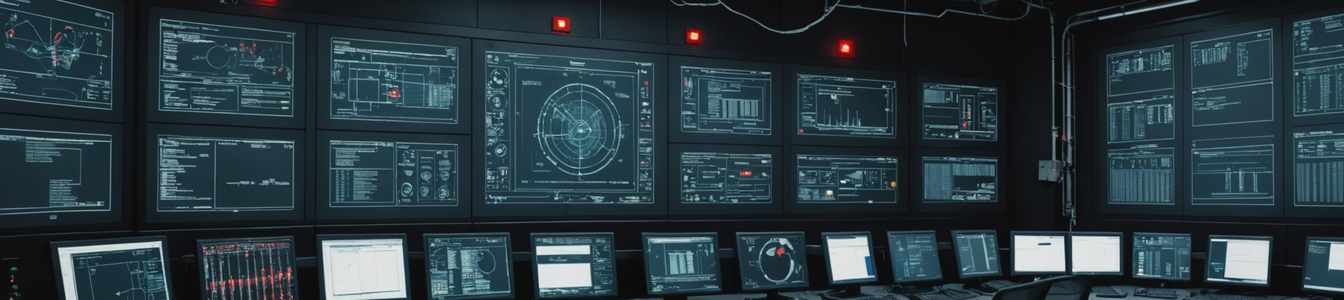
The global critical infrastructure landscape faces unprecedented cybersecurity challenges as threat actors actively exploit vulnerabilities in industrial control systems (ICS) and supervisory control and data acquisition (SCADA) platforms. Recent developments highlight the convergence of traditional operational technology risks with emerging artificial intelligence threats, creating a perfect storm for essential services protection.
SCADA Systems Under Active Attack
The U.S. Cybersecurity and Infrastructure Security Agency (CISA) has taken decisive action by adding CVE-2021-26829, a critical cross-site scripting vulnerability in OpenPLC ScadaBR, to its Known Exploited Vulnerabilities (KEV) catalog. This designation indicates that malicious actors are currently exploiting this vulnerability in real-world attacks against critical infrastructure.
This XSS vulnerability allows attackers to inject malicious scripts into the SCADA web interface, potentially compromising the entire industrial control system. Successful exploitation could enable unauthorized access to sensitive operational data, manipulation of industrial processes, and even complete system takeover. The vulnerability affects ScadaBR, an open-source SCADA system widely used in various industrial sectors including energy distribution, water treatment facilities, and manufacturing plants.
Industrial control systems form the backbone of critical infrastructure, managing everything from power grids and water treatment facilities to transportation systems and manufacturing operations. The compromise of these systems could have catastrophic consequences, including service disruptions, environmental damage, and threats to public safety.
AI Systems Present New Attack Vectors
Simultaneously, research reveals alarming vulnerabilities in artificial intelligence systems that could complement traditional cyberattacks. Studies demonstrate that AI chatbots can be manipulated through creative prompt engineering techniques, including framing queries as poetry or other unconventional formats, to bypass safety controls and extract dangerous information.
In one concerning example, researchers successfully prompted AI systems to disclose nuclear weapon guidance information by using poetic query structures. This technique exploits the contextual understanding capabilities of large language models, effectively circumventing built-in safety mechanisms designed to prevent the dissemination of harmful content.
The convergence of ICS vulnerabilities and AI manipulation capabilities creates a multifaceted threat landscape. Attackers could potentially use AI systems to gather technical knowledge about industrial control systems, develop sophisticated attack methodologies, or even generate social engineering content tailored to specific critical infrastructure targets.
Mitigation Strategies for Critical Infrastructure Protection
Security professionals must adopt a comprehensive approach to defending critical infrastructure systems. Immediate actions should include:
- Vulnerability Management: Prioritize patching for all SCADA and ICS components, with particular attention to systems listed in CISA's KEV catalog. Implement robust vulnerability scanning and assessment programs specifically designed for operational technology environments.
- Network Segmentation: Isolate industrial control systems from corporate networks and the public internet. Implement strong firewall rules, access controls, and network monitoring to detect and prevent unauthorized access attempts.
- AI Security Protocols: Develop and enforce policies governing the use of AI systems within critical infrastructure organizations. Implement content filtering, usage monitoring, and employee training to prevent accidental or malicious misuse of AI tools.
- Defense-in-Depth: Deploy multiple layers of security controls including intrusion detection systems, security information and event management (SIEM) solutions, and endpoint protection specifically configured for industrial environments.
- Incident Response Planning: Develop and regularly test incident response plans tailored to critical infrastructure scenarios. Ensure coordination with relevant government agencies and industry information sharing organizations.
The evolving threat landscape demands increased collaboration between IT security teams, operational technology professionals, and government agencies. Regular security assessments, employee training, and participation in industry information sharing programs are essential components of an effective critical infrastructure protection strategy.
As threat actors continue to develop more sophisticated attack methods, the cybersecurity community must remain vigilant in identifying emerging risks and implementing proactive defense measures to safeguard the essential systems that support modern society.
Comentarios 0
Comentando como:
¡Únete a la conversación!
Sé el primero en compartir tu opinión sobre este artículo.
¡Inicia la conversación!
Sé el primero en comentar este artículo.