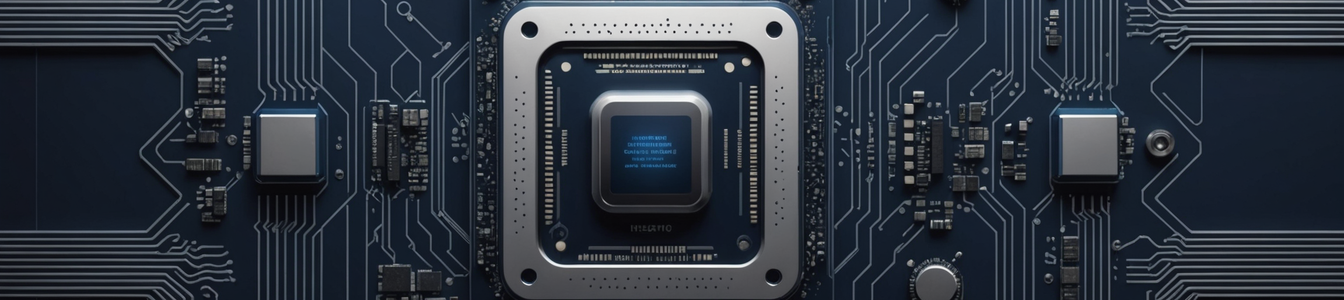
The cybersecurity landscape is undergoing a fundamental architectural shift as critical infrastructure protection moves from the software layer to the silicon itself. A new generation of purpose-built, secure AI chips is emerging specifically designed to harden physical surveillance systems, edge computing nodes, and military threat detection platforms. This represents a decisive move toward hardware-rooted security, addressing vulnerabilities that pure software solutions cannot effectively mitigate.
At the forefront of this transition is Mindgrove Technologies, which has announced the development of secure edge AI chips specifically targeting the surveillance market. Unlike generic processors, these System-on-Chip (SoC) designs integrate security directly into the hardware architecture, creating tamper-resistant foundations for critical applications. Production is slated for late 2026, with these 'designed-in-India' chips expected to power next-generation CCTV and monitoring systems where data integrity and system trustworthiness are paramount.
The strategic importance of this hardware-first approach is particularly evident in defense and critical infrastructure sectors. Military leaders worldwide are increasingly adopting adaptive AI platforms like those from Skylark Labs for next-generation threat detection. These systems require not just algorithmic sophistication but hardware that can withstand physical and cyber-physical attacks in contested environments. The convergence of secure silicon with adaptive AI creates resilient systems capable of operating in disconnected, degraded, or hostile network conditions.
Technical Architecture and Security Implications
These secure AI chips typically incorporate several key hardware security features: dedicated security cores isolated from main processing units, hardware-based cryptographic accelerators, physical unclonable functions (PUFs) for device authentication, and tamper-detection circuits that trigger automatic data wiping upon physical intrusion attempts. By implementing these features at the silicon level, manufacturers create what security professionals call a 'root of trust'—a foundation that cannot be compromised through software attacks alone.
For cybersecurity professionals, this evolution has significant implications. First, it changes the attack surface assessment for critical systems. Traditional software vulnerabilities remain important, but attackers must now contend with hardware protections that prevent entire classes of exploits. Second, it affects incident response and forensic procedures, as secure chips may include hardware logging mechanisms that survive software compromise. Third, it introduces new supply chain security considerations, as the integrity of the silicon manufacturing process becomes as important as software development practices.
Market Transformation and Industry Impact
The surveillance and edge security market represents just the initial application domain for these technologies. As smart cities, industrial IoT, and autonomous systems proliferate, the demand for hardware-secured AI processing will expand dramatically. This creates both opportunities and challenges for cybersecurity teams. On one hand, properly implemented secure chips can dramatically reduce the attack surface of deployed systems. On the other hand, they introduce new complexity in system integration, key management, and lifecycle maintenance.
Furthermore, the geopolitical dimension cannot be ignored. With Mindgrove's 'designed-in-India' initiative and similar national efforts worldwide, countries are recognizing that control over secure hardware development represents both economic opportunity and national security imperative. This trend toward technological sovereignty in critical infrastructure components will likely accelerate in coming years.
Implementation Considerations for Security Teams
Organizations evaluating these emerging technologies should consider several factors. Integration with existing security operations centers (SOCs) is crucial—secure chips should provide standardized telemetry and alerting capabilities. Interoperability with current identity and access management systems is another key consideration. Perhaps most importantly, organizations must develop expertise in hardware security assessment, moving beyond traditional software-focused penetration testing to include physical and side-channel attack analysis.
The certification landscape will also evolve. Expect to see increased emphasis on hardware security certifications alongside traditional software security validations. Standards like Common Criteria, FIPS 140-3, and sector-specific certifications will likely expand to address the unique aspects of secure AI silicon.
Looking forward, the convergence of hardware security and artificial intelligence at the edge represents one of the most significant developments in physical cybersecurity. As attacks become increasingly sophisticated and target both digital and physical domains, the industry's response—building security into the very fabric of computing hardware—marks a necessary evolution in our approach to protecting critical systems. For cybersecurity professionals, understanding this shift is no longer optional; it's essential for designing, implementing, and defending the infrastructure of tomorrow.
Comentarios 0
Comentando como:
¡Únete a la conversación!
Sé el primero en compartir tu opinión sobre este artículo.
¡Inicia la conversación!
Sé el primero en comentar este artículo.