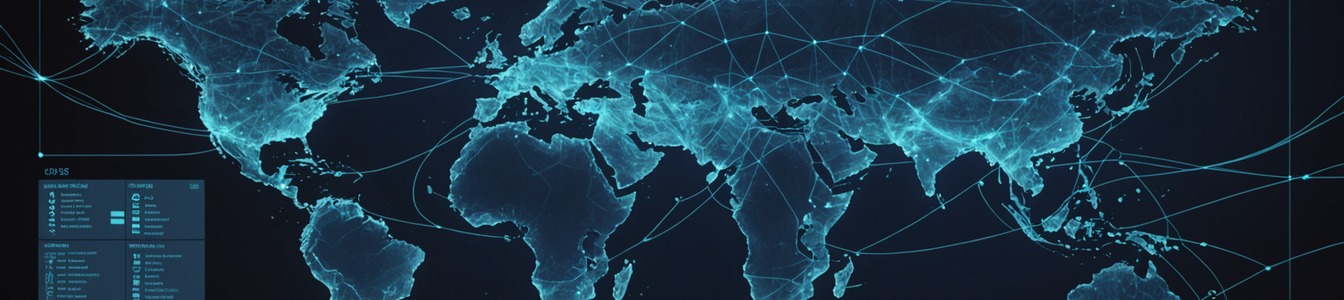
The physical arteries of global technology infrastructure are under direct threat as escalating maritime attacks in critical Middle Eastern shipping lanes disrupt the flow of hardware, components, and equipment essential to data centers, cloud operations, and enterprise IT environments. What cybersecurity professionals typically view as digital supply chain risks now manifest in physical form, with container ships carrying servers, networking gear, and data center components becoming targets in geopolitical conflicts.
Direct Attacks on Commercial Shipping
Multiple confirmed incidents have triggered a security crisis in key maritime corridors. A container vessel was struck by an Iranian missile off the coast of Oman, forcing the crew to abandon ship in a dramatic emergency evacuation. Separately, a Maltese-flagged commercial ship was hit by a mystery projectile in the strategically vital Strait of Hormuz, a chokepoint through which approximately 20-30% of global oil shipments and substantial container traffic passes. These are not isolated incidents but part of a pattern of aggression that has made the region increasingly perilous for commercial shipping.
Industry Response: Suspensions and Diversions
The security deterioration has prompted decisive action from major shipping companies. Maersk, one of the world's largest container shipping lines, has suspended cargo bookings and operations through affected Middle Eastern routes. Multiple other carriers have followed suit, implementing temporary halts on new bookings while they assess security conditions. This represents a significant escalation from earlier precautionary measures and indicates that shipping companies view the threat level as exceeding acceptable risk thresholds for commercial operations.
Perhaps more impactful for supply chain timelines is the widespread diversion of vessels already in transit. Instead of traversing the Red Sea and Suez Canal—the most efficient route between Asia and Europe—ships are being rerouted around Africa via the Cape of Good Hope. This diversion adds approximately 10-14 days to typical transit times between Asian manufacturing hubs and European or North American ports, creating immediate delays for time-sensitive technology shipments.
Impact on Technology and Cloud Infrastructure
For cybersecurity and IT operations teams, these maritime disruptions translate into tangible operational challenges:
- Hardware Deployment Delays: New data center builds, server refresh cycles, and network infrastructure upgrades face unpredictable delays. Equipment that typically arrives in 4-6 weeks may now take 6-8 weeks or longer, potentially impacting project timelines and capacity planning.
- Cost Inflation: Extended shipping routes increase fuel consumption and operational costs for carriers, which typically pass these expenses to customers through surcharges. Technology companies may face increased logistics costs that could eventually trickle down to enterprise customers.
- Inventory Management Pressure: Just-in-time inventory models common in technology procurement become vulnerable under these conditions. Organizations may need to increase safety stock levels of critical components, tying up capital in inventory rather than operational investments.
- Alternative Route Dependencies: The Cape of Good Hope route itself presents vulnerabilities, including limited port facilities for emergency repairs, piracy risks in certain areas, and capacity constraints at key African ports that may struggle with increased traffic.
Cybersecurity Implications Beyond Logistics
While the immediate impact is physical, secondary cybersecurity implications emerge:
- Supply Chain Verification Challenges: Extended and altered shipping routes complicate hardware provenance verification, potentially creating opportunities for supply chain tampering during additional transshipment points.
- Emergency Procurement Vulnerabilities: Organizations facing urgent hardware needs due to failures or attacks may turn to alternative suppliers with less rigorous security vetting, increasing risks of compromised equipment entering sensitive environments.
- Geopolitical Risk Modeling: Security teams must now incorporate maritime security assessments into their vendor risk management frameworks, particularly for hardware-dependent services and cloud providers with significant physical infrastructure deployments.
Strategic Considerations for Security Leaders
Forward-looking organizations are already adjusting strategies:
- Dual-Sourcing Critical Components: Rather than relying on single manufacturing regions or shipping routes, companies are diversifying their supplier geography to include locations accessible via multiple maritime corridors.
- Enhanced Tracking and Monitoring: Implementing more sophisticated shipment tracking with real-time alerts for route deviations or unexpected delays allows for quicker contingency planning.
- Contractual Protections: Reviewing service level agreements with hardware vendors and cloud providers to ensure they account for geopolitical disruptions in their delivery commitments and contingency planning.
- Scenario Planning: Developing specific playbooks for extended hardware delivery scenarios, including interim security measures for aging equipment and phased deployment approaches.
The Broader Threat Landscape
These maritime incidents represent a convergence point between geopolitical conflict, physical security, and digital infrastructure resilience. They highlight how technology's physical underpinnings remain vulnerable to regional conflicts far removed from data centers and corporate headquarters. As cloud adoption increases dependency on centralized infrastructure, the security of the physical supply chain supporting that infrastructure becomes increasingly critical to overall organizational resilience.
Security professionals accustomed to defending against digital threats must now expand their purview to include these physical-logistical vulnerabilities. The attacks in the Strait of Hormuz and Red Sea serve as a stark reminder that cybersecurity doesn't exist in isolation from the physical world—and that the ships carrying our servers are as critical to operational continuity as the firewalls protecting them.
Comentarios 0
Comentando como:
¡Únete a la conversación!
Sé el primero en compartir tu opinión sobre este artículo.
¡Inicia la conversación!
Sé el primero en comentar este artículo.