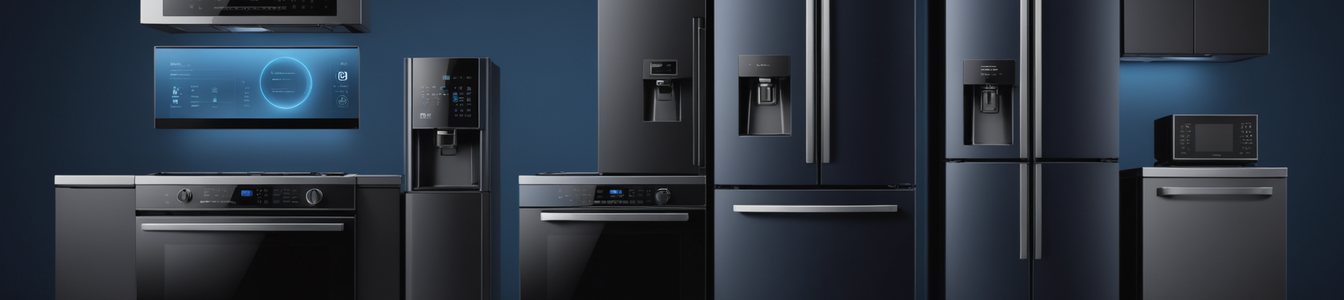
The smart home revolution has moved from the living room to the kitchen, laundry room, and every corner of the domestic sphere, bringing with it a silent expansion of the cybersecurity attack surface that is both profound and poorly understood. Major appliance and consumer electronics manufacturers are no longer just adding Wi-Fi to coffee makers; they are embedding full-fledged AI processors, high-definition cameras, and complex network stacks into the most mundane household items. This shift, driven by a race for market share in regions like India, Europe, and the Americas, is creating a new frontier of risk that cybersecurity professionals are only beginning to map.
From Connectivity to AI-Powered Invasion
The latest generation of smart appliances represents a qualitative leap in capability and, consequently, in potential threat. Take the modern smart refrigerator, as hinted at in recent industry announcements. These are no longer simple cooling units with a tablet stuck to the door. They are evolving into central hubs for family management, equipped with internal cameras for inventory tracking, voice assistants for hands-free control, and constant internet connectivity for software updates and grocery ordering integrations. Each of these features—the camera, the microphone, the persistent network connection—is a potential ingress point for attackers. A vulnerability in the refrigerator's firmware could provide a foothold into the home network, bypassing traditional perimeter defenses that focus on computers and phones.
Similarly, companies like Xiaomi are pushing the boundaries with AI-powered security cameras designed to "change home security." These devices use advanced computer vision for person detection, package recognition, and unusual activity alerts. However, the very AI models that power this convenience require significant data processing, often involving cloud services. The data pipeline—from camera feed to local processing to cloud analysis—creates multiple vectors for interception, manipulation, or data exfiltration. A compromised camera doesn't just spy on a living room; it can become a persistent surveillance node or a pivot point to attack other devices on the same network.
Market Expansion Amplifies the Risk
The risk is magnified by the aggressive global expansion strategies of these IoT giants. Firms like Dreame Technology are rapidly expanding their direct-to-consumer presence in high-growth markets such as India. This push introduces advanced, network-connected devices—from robotic vacuum cleaners to smart kitchen appliances—into millions of new homes, often in regions where cybersecurity awareness and infrastructure may still be developing. The scale is staggering. Each new market entry represents thousands or millions of new endpoints, each with its own set of potential vulnerabilities, default passwords, and unpatched software.
This expansion is not merely about selling more units; it's about creating integrated ecosystems. A single brand's app may control the refrigerator, the security camera, the robot vacuum, and the air purifier. This consolidation of control is convenient for the user but creates a single point of failure for the attacker. Compromise the ecosystem's cloud platform or find a flaw in the shared mobile application, and an attacker could potentially gain control over an entire household's worth of devices simultaneously.
The Cybersecurity Blind Spot
For the cybersecurity community, this presents a unique and growing blind spot. Traditional enterprise security tools are not designed to monitor a smart oven's network traffic or audit a washing machine's firmware. The protocols used by these devices are often proprietary or lightweight versions of standard protocols, making them difficult to inspect and secure. Furthermore, the consumer-driven nature of this market prioritizes ease of setup and low cost over robust security. Many devices ship with hard-coded credentials, lack secure update mechanisms, and have interfaces vulnerable to simple attacks.
The privacy implications are equally severe. These appliances collect a continuous stream of intimate data: eating habits from the fridge camera, daily routines from the robot vacuum's mapping, and private conversations picked up by voice-activated assistants. This data is a goldmine for malicious actors, from targeted phishing campaigns to outright blackmail. The aggregation of this data on manufacturer servers also creates attractive targets for large-scale data breaches.
A Call for Proactive Defense
Addressing this threat requires a paradigm shift. Security can no longer be an afterthought bolted onto a finished product. Manufacturers must adopt a "security by design" philosophy, implementing principles like the principle of least privilege, mandatory authentication, and encrypted communications from the initial design phase. For consumers and corporate security teams managing remote work environments, vigilance is key. This includes segmenting home networks to isolate IoT devices from critical personal or work assets, regularly updating device firmware, and disabling unnecessary features like remote access when not required.
The regulatory landscape is also beginning to stir. Standards and certifications for consumer IoT security are emerging in various jurisdictions, but they need to be strengthened and globally harmonized to be effective. The cybersecurity industry must develop new tools and frameworks for assessing and securing this diverse and proliferating device category.
The quiet invasion of AI-powered smart appliances into our homes is not slowing down. It offers undeniable benefits in convenience and efficiency. However, without a concerted and urgent effort to prioritize security equally, we are building a future where our most private spaces are riddled with digital vulnerabilities, turning the modern home into an unwitting participant in the next wave of cyber threats. The time for the security community to engage with this challenge is now, before the attack surface grows beyond our capacity to defend it.
Comentarios 0
Comentando como:
¡Únete a la conversación!
Sé el primero en compartir tu opinión sobre este artículo.
¡Inicia la conversación!
Sé el primero en comentar este artículo.