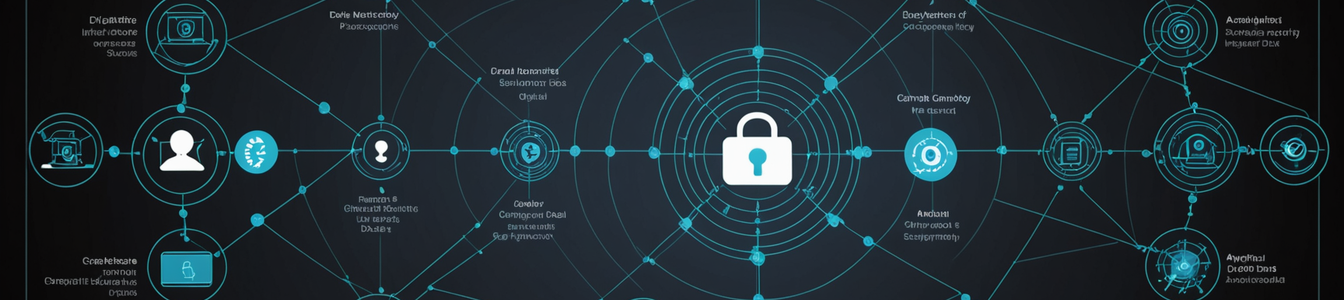
The automotive industry is undergoing a radical transformation as blockchain technology integrates directly into vehicle systems, creating what security experts are calling 'crypto wallets on wheels.' This convergence represents one of the most significant cybersecurity challenges in recent years, merging the physical safety concerns of automotive systems with the financial security implications of blockchain technology.
Robo.ai's initiative to embed digital wallets directly into smart car architectures marks a fundamental shift in how we perceive vehicle functionality. No longer merely transportation devices, modern vehicles are becoming autonomous economic actors capable of conducting financial transactions, paying for tolls, charging services, and even participating in decentralized finance ecosystems. This evolution creates a complex threat landscape where traditional automotive cybersecurity measures fall short.
The security implications are profound. Vehicle systems now must protect not only passenger safety but also financial assets. A compromised infotainment system could lead to direct financial loss, while manipulation of vehicle-to-everything (V2X) communications could enable fraudulent transactions. The attack vectors multiply when considering that these financial capabilities integrate with existing automotive networks, potentially creating bridges between safety-critical systems and financial applications.
Parallel developments in wearable technology, such as GCash's integration with HUAWEI wearables in the Philippines, demonstrate the broader trend of financial functionality migrating to everyday devices. While wearables present their own security challenges, the automotive context introduces unique complications due to the safety-critical nature of vehicle systems and their complex supply chains.
Cybersecurity professionals face several critical challenges in this new landscape. First, the integration of financial technology into vehicles creates additional attack surfaces that malicious actors can exploit. Second, the real-time nature of automotive transactions demands security solutions that don't compromise system performance or safety. Third, the regulatory environment struggles to keep pace with these technological developments, creating compliance gaps.
From a technical perspective, the security architecture must address multiple layers: the hardware security modules protecting cryptographic keys, the secure communication channels for transaction validation, and the isolation between financial applications and vehicle control systems. Traditional automotive security frameworks like ISO/SAE 21434 require significant augmentation to address these financial security requirements.
The incident response paradigm also shifts dramatically. A security breach in a crypto-enabled vehicle could simultaneously affect road safety and financial stability. Security teams must develop protocols that address both dimensions, potentially requiring coordination between automotive manufacturers, financial institutions, and regulatory bodies.
Looking forward, the industry must establish new security standards specifically addressing the convergence of automotive and financial technologies. This includes secure development practices for wallet integration, robust key management systems resistant to physical and remote attacks, and comprehensive testing methodologies that validate both functional safety and financial security.
The medium-term impact suggests that automotive cybersecurity professionals will need to develop expertise in blockchain security, financial transaction validation, and cryptographic key management. Similarly, financial security experts must understand automotive systems and their unique constraints. This cross-disciplinary approach represents the future of security in an increasingly connected world where every device potentially becomes a financial endpoint.
As the technology matures, we can expect to see specialized security solutions emerge, including hardware security modules designed specifically for automotive environments, secure element integration in vehicle architectures, and new authentication mechanisms that balance security with user convenience. The journey has just begun, but the destination is clear: a future where our vehicles are not just smart, but financially autonomous – and securely so.
Comentarios 0
Comentando como:
¡Únete a la conversación!
Sé el primero en compartir tu opinión sobre este artículo.
¡Inicia la conversación!
Sé el primero en comentar este artículo.