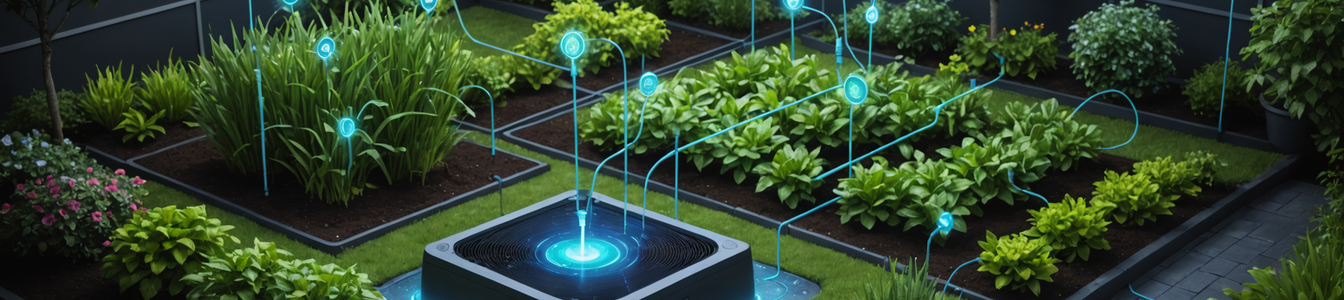
The smart home revolution has extended its roots into our gardens and outdoor spaces, bringing with it a new frontier of cybersecurity concerns. Recent product launches from leading IoT manufacturers reveal an emerging threat landscape where seemingly benign gardening and pool maintenance devices could become gateways for cyber intrusions.
ALLUONE's IoT-driven 'Watering Garden' system exemplifies this trend, offering automated plant care through connected sensors and cloud-based management. While promising to revolutionize home gardening, these devices typically operate on standard IoT protocols with minimal security authentication. Security analysts note that many consumer-grade smart gardening devices use default credentials, unencrypted communications, and outdated firmware - creating low-hanging fruit for attackers.
Similarly, Aiper's intelligent pool cleaning systems showcased at Piscina Barcelona 2025 demonstrate how water management devices are becoming increasingly connected. These systems monitor water quality, automate cleaning schedules, and integrate with broader smart home ecosystems. However, their network connectivity introduces potential attack vectors that could lead to unauthorized access or manipulation of critical home systems.
Tineco's award-winning CARPET ONE Cruiser, recognized among TIME's Best Inventions of 2025, represents another dimension of this challenge. While primarily a cleaning device, its IoT capabilities and data collection features highlight how household appliances are evolving into connected data endpoints. The integration between indoor smart devices and outdoor gardening systems creates interconnected networks that multiply potential attack surfaces.
Midea's promotional campaigns, including their 'Discover, Shop, Fly' initiative, demonstrate the aggressive market push behind smart home devices. This rapid adoption rate often outpaces security considerations, with manufacturers prioritizing user convenience and market penetration over robust cybersecurity measures.
The cybersecurity implications are substantial. Compromised smart gardening devices could enable attackers to:
- Establish footholds in home networks for lateral movement
- Harvest environmental data and usage patterns
- Manipulate watering systems to cause property damage
- Use device resources for botnet participation
- Intercept communications between connected devices
Many of these devices operate on 2.4GHz Wi-Fi networks with known vulnerabilities, and their typically resource-constrained nature limits the implementation of advanced security features. The absence of regular security updates and patch management further exacerbates these risks.
Security professionals recommend several mitigation strategies for consumers and enterprises adopting smart gardening technology:
- Implement network segmentation to isolate IoT devices from critical systems
- Change default credentials immediately upon installation
- Regularly update device firmware and monitor for security patches
- Use strong, unique passwords for device accounts and Wi-Fi networks
- Disable unnecessary features and remote access capabilities
- Monitor network traffic for unusual patterns involving IoT devices
As the smart garden market continues to expand, manufacturers must prioritize security-by-design principles. The industry needs standardized security certifications, transparent vulnerability disclosure programs, and regular security updates throughout device lifecycles.
The convergence of horticulture and technology represents an exciting development for home automation, but it also demands increased vigilance from cybersecurity professionals. As these devices become more sophisticated and interconnected, the potential attack surface will only grow, making proactive security measures essential for protecting both digital and physical environments.
Comentarios 0
Comentando como:
¡Únete a la conversación!
Sé el primero en compartir tu opinión sobre este artículo.
¡Inicia la conversación!
Sé el primero en comentar este artículo.