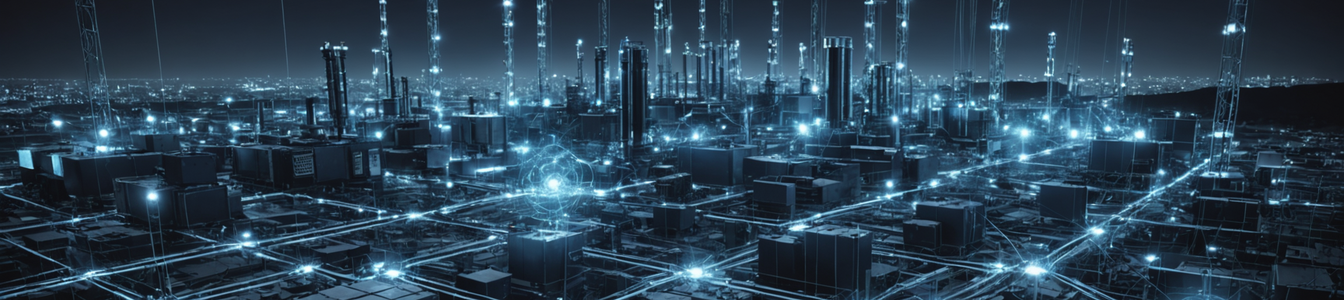
The cybersecurity narrative around utility infrastructure has long been dominated by the smart meter. However, a silent revolution is expanding the digital attack surface far beyond these familiar endpoints. The convergence of Internet of Things (IoT) technologies across gas networks, electric vehicle (EV) ecosystems, distributed renewable generation, and heavy industrial equipment is weaving a deeply interconnected—and vulnerable—digital fabric into the heart of our critical energy grids. This evolution, while driving efficiency and sustainability, presents a complex, multi-vector threat landscape that challenges traditional security paradigms.
A key driver is the rapid digitization of ancillary utility networks. In India, for instance, Vi Business has launched comprehensive Smart Gas Metering solutions for City Gas Distribution (CGD) companies. This move integrates gas distribution—a historically isolated system—into the IoT ecosystem, creating new data flows and remote management capabilities. The cyber-physical risk here is profound: a compromise could lead to inaccurate billing, supply disruption, or in worst-case scenarios, safety incidents. It represents a sector once considered 'dumb' now becoming smart—and therefore hackable.
Simultaneously, the electrification of transport is creating a massive new grid edge. The EV Charging Management Software Platforms market is projected to reach $2.8 billion by 2030, fueled by government support and emerging tech. These platforms are not mere payment processors; they are dynamic grid-interactive systems that manage load, balance energy supply, and communicate with both vehicles and utility operators. Each charging station, especially in large public or fleet deployments, is a potential ingress point. A coordinated attack could manipulate charging schedules to cause sudden, massive demand spikes or troughs, destabilizing local distribution networks. The software managing these platforms becomes critical infrastructure itself.
This expansion is further amplified by the explosive growth of distributed energy resources (DERs). Recent reports indicate nearly 2.4 million (24 lakh) Indian households now have rooftop solar systems. Each installation typically includes an internet-connected inverter and monitoring system. This creates a vast, geographically dispersed attack surface of millions of new endpoints integrated into the grid. Threat actors could potentially hijack fleets of these inverters to manipulate power factor correction, create harmful feedback loops, or orchestrate a sudden loss of generation. The distributed nature makes them hard to secure and even harder to monitor uniformly.
The threat landscape extends beyond traditional "utility" assets to encompass industrial equipment that interacts with energy infrastructure. HD Hyundai Construction Equipment's choice to equip its machinery with reliable, global connectivity via the Iridium satellite network illustrates this trend. While aimed at operational efficiency and telematics, such connected heavy machinery on a worksite—especially near substations, pipelines, or transmission lines—could be repurposed as a physical or cyber-physical weapon. Satellite connectivity, often used in remote critical infrastructure sites, also introduces specific protocol vulnerabilities and potential for signal interference or spoofing.
The Convergence Risk: A Perfect Storm
The core danger lies not in these systems operating in isolation, but in their convergence. The modern grid is becoming a symphony of interdependent systems: a smart gas meter's data might influence electric grid load forecasts; an EV fleet's charging schedule might be optimized based on rooftop solar output; and construction schedules for grid infrastructure might be managed via globally connected machinery. An attacker need not directly target a high-security SCADA system. Instead, they could exploit a vulnerability in a less-secure, adjacent system—like a third-party EV charging platform or a residential solar inverter's cloud API—and use that foothold to create cascading failures across the interconnected ecosystem.
Implications for Cybersecurity Professionals
This expanding surface demands a strategic shift:
- Beyond Perimeter Defense: Security models must evolve from protecting a centralized utility network to securing a vast, heterogeneous ecosystem of third-party-owned and operated devices. Zero-trust architectures and robust device identity management become non-negotiable.
- Supply Chain Scrutiny: The security of the grid now depends on the security posture of EV software vendors, solar inverter manufacturers, and industrial equipment OEMs. Rigorous third-party risk management programs are essential.
- Focus on Cyber-Physical Impact: Threat modeling must prioritize attacks that cause physical consequences—grid instability, equipment damage, or supply disruption—over pure data theft.
- Regulatory and Standards Gap: The pace of technological deployment is outstripping the development of mandatory cybersecurity standards for these new asset classes. Professionals must advocate for and help shape these frameworks.
In conclusion, the next-generation utility infrastructure is a story of connected everything. For cybersecurity, this means the battlefield has grown exponentially, moving beyond the smart meter at the consumer's wall to encompass the entire energy value chain. Defending this new reality requires a holistic, ecosystem-wide approach that recognizes energy not just as a commodity, but as a flow of data and physical resource whose integrity is paramount to national and economic security. The time to build resilience into this converging landscape is now, before a major incident forces a reckoning.
Comentarios 0
Comentando como:
¡Únete a la conversación!
Sé el primero en compartir tu opinión sobre este artículo.
¡Inicia la conversación!
Sé el primero en comentar este artículo.