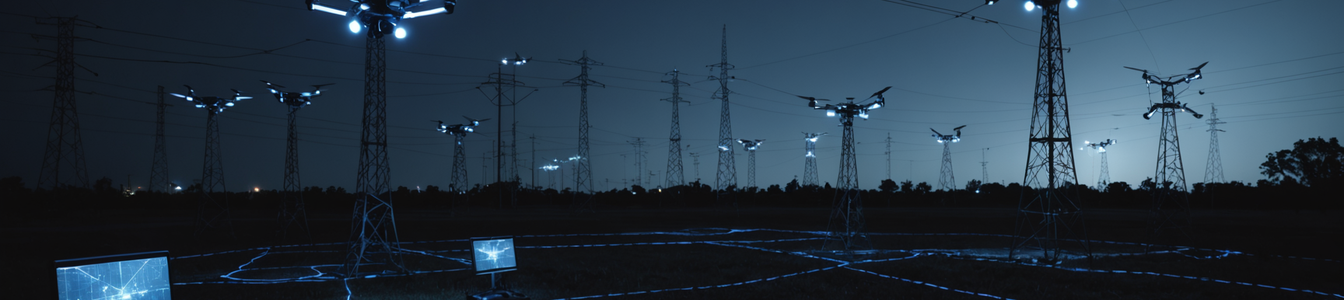
The smart home security landscape is facing a critical inflection point as artificial intelligence integration creates new vulnerabilities while failing to deliver on promised security enhancements. Recent industry developments reveal a troubling pattern where AI implementations intended to strengthen smart home ecosystems are instead introducing significant security gaps that threaten consumer privacy and device integrity.
Major technology companies are racing to implement AI solutions to address longstanding smart home security issues, but these efforts often create more problems than they solve. Google's attempt to revitalize its smart home ecosystem through Gemini integration exemplifies this challenge. While positioned as a comprehensive solution to Google Home's security fragmentation, the rapid AI deployment has exposed users to new attack vectors related to AI model manipulation and unauthorized access through voice command spoofing.
The migration patterns between smart home platforms reveal deeper security concerns. As users transition between ecosystems—similar to the calendar app migrations observed in productivity tools—they encounter configuration vulnerabilities and data exposure risks. These transitions often leave residual access permissions and incomplete data purges, creating persistent security holes that attackers can exploit months after platform switches.
Agentic AI systems, now being rapidly deployed in startup environments, present particularly concerning security implications. These autonomous AI agents, designed to manage multiple smart home functions simultaneously, lack the robust security frameworks needed for such critical responsibilities. The entrepreneurial rush to market with AI-powered smart home solutions has prioritized functionality over security, resulting in systems that are vulnerable to coordinated attacks across multiple device types.
Smart home ecosystem fragmentation remains a fundamental security challenge. The lack of standardized security protocols across different manufacturers means that AI systems must navigate inconsistent security postures, creating weak links in the security chain. This fragmentation is exacerbated by the varying update cycles and security patch management approaches across different smart home device categories.
Privacy concerns in AI-enhanced smart homes have reached new levels as these systems process increasingly sensitive personal data. The continuous learning capabilities of AI systems mean they're constantly collecting and analyzing user behavior patterns, creating rich targets for data breaches. The consolidation of this data within AI systems represents a single point of failure that could expose comprehensive user profiles if compromised.
The integration of AI in security-critical functions like access control, surveillance, and environmental management introduces life safety risks beyond traditional cybersecurity concerns. Failures in AI decision-making could lead to physical security breaches or safety hazards, particularly in systems controlling doors, windows, climate control, and emergency response mechanisms.
Security professionals must develop new frameworks for assessing AI-driven smart home vulnerabilities. Traditional vulnerability assessment approaches are insufficient for evaluating the complex interactions between AI systems, multiple device types, and user behaviors. The dynamic nature of AI learning means that security postures can change unpredictably, requiring continuous monitoring rather than periodic assessments.
Manufacturers face increasing pressure to balance AI innovation with security fundamentals. The competitive drive to incorporate cutting-edge AI features has led to shortened development cycles and inadequate security testing. This trend is particularly concerning given the long device lifecycles in smart home environments, where security vulnerabilities may persist for years without updates.
The regulatory landscape is struggling to keep pace with AI advancements in smart home technology. Current security standards and certification programs don't adequately address the unique risks posed by AI systems, leaving consumers without clear guidance on security expectations for AI-enhanced devices.
Looking forward, the industry must establish comprehensive security standards specifically for AI-integrated smart home systems. These should include requirements for secure AI model deployment, robust access control mechanisms, transparent data handling practices, and mandatory security update commitments. Without such standards, the security gaps in AI-enhanced smart homes will continue to widen, putting consumers at increasing risk.
Security researchers are calling for coordinated vulnerability disclosure programs specifically targeting AI systems in smart home environments. The unique nature of AI vulnerabilities requires specialized expertise and testing methodologies that traditional bug bounty programs may not adequately address.
As smart home ecosystems become increasingly dependent on AI, the security community must prioritize education around AI-specific risks. Consumers need clear guidance on securing AI-enhanced devices, while enterprises require frameworks for managing the corporate security implications of employees using AI-integrated smart home systems for remote work environments.
Comentarios 0
Comentando como:
¡Únete a la conversación!
Sé el primero en compartir tu opinión sobre este artículo.
¡Inicia la conversación!
Sé el primero en comentar este artículo.