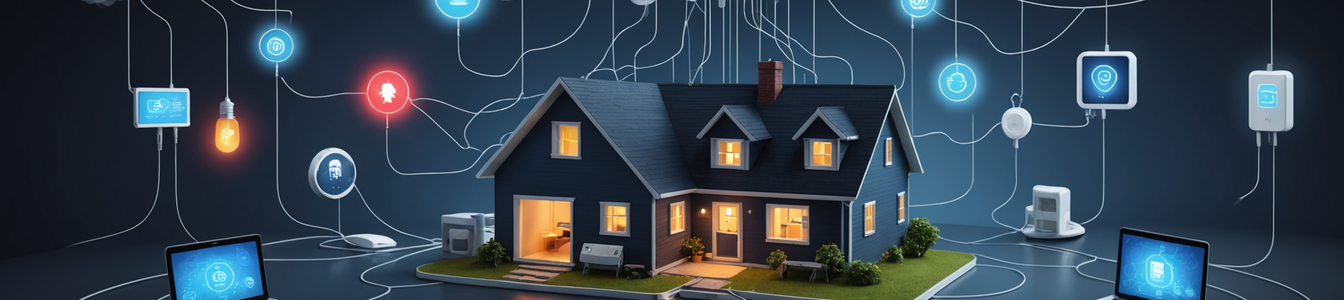
The smart home revolution has delivered unprecedented convenience to consumers, but security professionals are sounding alarms about the systemic vulnerabilities created by mandatory cloud connectivity. What manufacturers market as essential features—remote access, voice control, and automated routines—often come at the cost of permanent security risks that persist throughout a device's operational life.
The Architecture of Dependency
Modern smart home devices are increasingly designed with cloud-first architectures that fundamentally change their security posture. Unlike traditional appliances that operate independently, cloud-dependent devices require constant communication with manufacturer servers to function properly. This creates multiple attack vectors: the device-to-cloud connection, the cloud infrastructure itself, and the mobile applications that serve as intermediaries.
Security researchers have documented how most smart home gear becomes more vulnerable once connected to the cloud. Features that could operate locally are intentionally disabled or degraded, forcing users to accept cloud dependency. This architectural choice isn't merely about functionality—it's a business model that creates recurring revenue streams through subscription services while establishing vendor lock-in.
The Permanence Problem
One of the most concerning aspects of cloud-dependent IoT is the mismatch between device lifespan and security support cycles. While homeowners might expect smart thermostats, security cameras, or lighting systems to last 5-10 years, manufacturers typically provide security updates for only 2-3 years. This creates windows of vulnerability where devices continue operating with known, unpatched security flaws.
The problem compounds as devices age. Older smart home equipment often runs on deprecated communication protocols or outdated encryption standards, yet remains connected to home networks. These devices become entry points for attackers seeking to establish footholds in residential networks, potentially providing access to more sensitive systems like personal computers or home office equipment.
Market Responses and Alternatives
The market is responding to cloud dependency concerns in contradictory ways. On one hand, retailers like Home Depot are expanding offerings of affordable smart home sensors and devices that almost universally require cloud connectivity. These cheaper alternatives make smart home technology more accessible but perpetuate the same security model.
Simultaneously, Amazon's introduction of Alexa+ represents the deepening of cloud integration, creating more sophisticated—and more dependent—ecosystems. These premium services promise enhanced functionality but further entrench users in specific vendor ecosystems, making migration to more secure alternatives increasingly difficult.
Emerging Local-First Solutions
A counter-movement is developing around local-first smart home solutions that prioritize security and privacy. These systems process data locally rather than transmitting it to cloud servers, significantly reducing attack surfaces. While currently representing a niche market, these solutions appeal to security-conscious consumers and professionals who understand the risks of cloud dependency.
Local-first systems typically use open standards like Zigbee, Z-Wave, or Matter with local hubs that don't require internet connectivity for core functionality. This approach allows devices to continue operating during internet outages and keeps sensitive data—like security camera footage or door access logs—within the home network.
Cybersecurity Implications
For cybersecurity professionals, the proliferation of cloud-dependent smart home devices represents several challenges:
- Expanded Attack Surface: Each cloud-connected device represents another potential entry point into home networks, which increasingly contain work-from-home equipment and sensitive personal data.
- Supply Chain Vulnerabilities: The complex dependency chains between device manufacturers, cloud providers, and third-party services create multiple points where security can be compromised.
- Consumer Education Gap: Most users lack the technical understanding to evaluate the security implications of their smart home purchases, creating environments where convenience consistently trumps security.
- Incident Response Complexity: When cloud-dependent devices are compromised, remediation often requires manufacturer intervention rather than user-controlled actions, delaying response times.
Recommendations for Security Professionals
Organizations should consider several approaches to addressing smart home security risks:
- Network Segmentation: Isolating IoT devices on separate network segments can limit the damage from compromised devices.
- Vendor Assessment: Developing criteria for evaluating the security practices of IoT manufacturers, including their update policies and data handling practices.
- Consumer Guidance: Creating resources to help employees and clients make informed decisions about smart home security.
- Monitoring Solutions: Implementing network monitoring that can detect anomalous behavior from IoT devices, which often goes unnoticed in residential settings.
The Future of Smart Home Security
The tension between convenience and security in smart home technology shows no signs of abating. As manufacturers continue to prioritize cloud connectivity for business reasons, and consumers continue to prioritize features over security, the vulnerability landscape will likely expand.
Regulatory approaches may eventually address some concerns, particularly around data privacy and security update requirements. However, the fundamental architectural choice of cloud dependency versus local processing represents a philosophical divide that will shape smart home security for years to come.
For now, cybersecurity professionals must navigate this landscape by understanding the risks, educating stakeholders, and implementing defensive measures that account for the reality of cloud-dependent devices in residential networks. The convenience of the smart home has arrived, but the security implications are only beginning to be understood.
Comentarios 0
Comentando como:
¡Únete a la conversación!
Sé el primero en compartir tu opinión sobre este artículo.
¡Inicia la conversación!
Sé el primero en comentar este artículo.