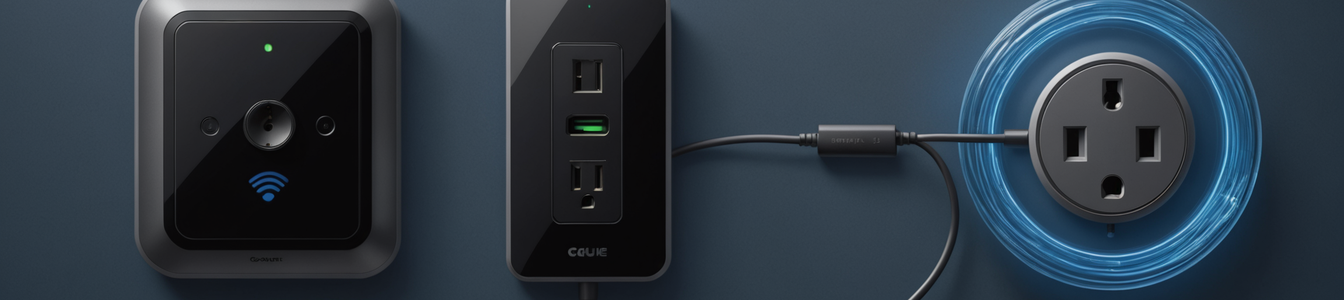
The smart home security landscape is undergoing a quiet revolution, one that threatens to undermine the commercial IoT ecosystem from its foundations. As major manufacturers like Haier report to shareholders about market expansion and ecosystem growth, and Amazon floods the market with deeply discounted smart plugs to lock users into Alexa ecosystems, a security-conscious counter-movement is gaining momentum. This movement isn't powered by venture capital or marketing budgets, but by open-source software, repurposed consumer electronics, and hardware that costs less than a cup of coffee.
The Sub-Dollar Automation Phenomenon
Security researchers and privacy advocates are demonstrating that functional smart home automation requires minimal financial investment. By leveraging existing hardware—from old smartphones to basic microcontrollers—and open-source platforms like Home Assistant, ESPHome, and Tasmota, users are creating locally-controlled automation systems that bypass cloud dependencies entirely. These setups, often costing less than one dollar in additional hardware, represent a fundamental rejection of the subscription-based, data-harvesting models that dominate commercial IoT.
The security implications are profound. Commercial smart home devices typically suffer from multiple vulnerabilities: mandatory cloud connectivity creates single points of failure and surveillance opportunities, proprietary firmware prevents security auditing, and planned obsolescence leaves devices unsupported and vulnerable. In contrast, DIY solutions offer full visibility into network traffic, local-only operation that survives internet outages, and the ability to maintain security patches indefinitely.
The IKEA Button Hack and Market Failures
A telling example emerges from Portugal, where IKEA's Tradfri smart button—retailing for approximately 3.50€—has become a favorite among security-conscious tinkerers. While designed for IKEA's proprietary ecosystem, this Zigbee-based device is easily repurposed using open-source Zigbee coordinators and software. For less than the cost of a specialty coffee, users gain a reliable, battery-powered trigger for any automation, completely divorced from corporate clouds.
This repurposing highlights a critical market failure: commercial manufacturers consistently overprice basic functionality while underdelivering on security and privacy. The hardware in most smart home devices costs mere dollars to produce, yet consumers pay premium prices for features that primarily benefit the manufacturer through data collection and ecosystem lock-in.
Commercial Pressures vs. Security Realities
Meanwhile, traditional IoT manufacturers face conflicting pressures. Haier's recent shareholder communications emphasize market expansion and ecosystem growth, typical of publicly-traded companies prioritizing quarterly results over long-term security investments. Amazon's strategy of discounting smart plugs during sales events serves as a classic loss-leader approach: get cheap hardware into homes to drive adoption of voice assistants and recurring services.
These commercial priorities directly conflict with security best practices. The rush to market leads to inadequate security testing. The need for recurring revenue encourages cloud dependencies that create attack surfaces. The focus on ecosystem lock-in discourages interoperability and standardization that would improve overall security.
The Cybersecurity Professional's Dilemma
For cybersecurity professionals, this trend presents both opportunity and concern. On one hand, open-source, locally-controlled systems offer superior security potential: no unnecessary internet exposure, complete auditability, and elimination of supply-chain risks from manufacturer backdoors. The community-driven development model often identifies and patches vulnerabilities faster than corporate security teams.
On the other hand, inexperienced users deploying DIY systems may create new vulnerabilities through misconfiguration, inadequate network segmentation, or use of compromised components. The very accessibility that makes these solutions appealing—ultra-low cost, minimal technical barriers—could lead to widespread deployment of insecure implementations.
The Future of Smart Home Security
This DIY security exodus signals a maturation of the smart home market. Early adopters who initially embraced convenience are now demanding security, privacy, and control. The proliferation of ultra-cheap, hackable hardware suggests manufacturers have failed to address fundamental consumer concerns about data ownership, device longevity, and transparency.
Security professionals should monitor several emerging trends:
- Standardization of Open-Source Stacks: Platforms like Home Assistant are becoming de facto standards for local control, creating both consistency benefits and potential monoculture risks.
- Hardware Repurposing: The security implications of mass consumer electronics repurposing—from old phones as security cameras to gaming console components as servers—require new assessment frameworks.
- Supply Chain Diversification: As users source components from multiple manufacturers (IKEA buttons, Amazon plugs, generic Chinese sensors), attack surface analysis becomes more complex.
- Skills Democratization: The barrier to entry for deploying sophisticated home automation is dropping rapidly, potentially outpacing security awareness dissemination.
Conclusion: A Market Correction in Progress
The smart home security landscape is experiencing a necessary market correction. Commercial manufacturers that continue prioritizing ecosystem lock-in and data monetization over genuine security and privacy will increasingly face abandonment by knowledgeable users. The ultra-low-cost DIY movement isn't merely about saving money—it's a security-conscious rejection of broken commercial models.
For the cybersecurity community, this represents both a validation of long-held concerns about IoT security and a call to action. By contributing to open-source projects, developing secure configuration guides for DIY systems, and advocating for better commercial practices, professionals can help ensure this exodus leads toward more secure smart homes rather than differently vulnerable ones.
The message from the DIY community is clear: when commercial products fail to provide adequate security, transparency, and control, users will build their own solutions—even if they have to start with a 3.50€ button from a furniture store.
Comentarios 0
Comentando como:
¡Únete a la conversación!
Sé el primero en compartir tu opinión sobre este artículo.
¡Inicia la conversación!
Sé el primero en comentar este artículo.