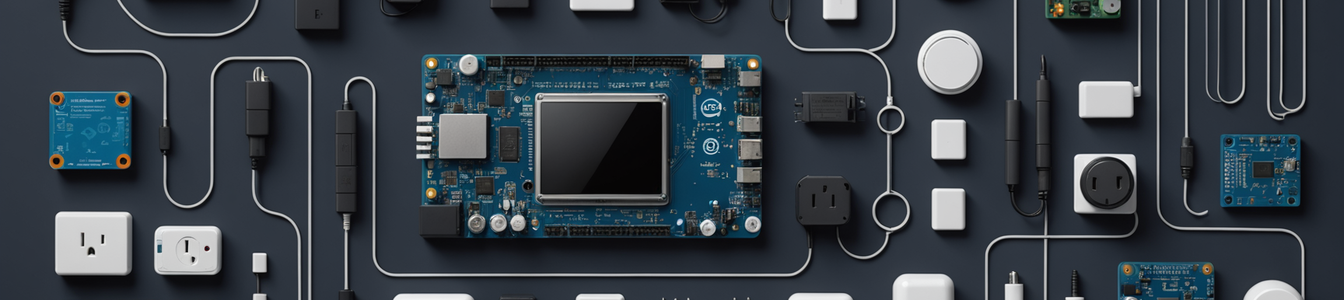
A quiet revolution is taking place within our homes, driven not by high-end technology but by an army of diminutive, affordable gadgets. The market is now saturated with smart home devices—sensors, plugs, bulbs, and controllers—available for less than the price of a casual lunch. While tech enthusiasts celebrate this democratization of home automation, cybersecurity professionals are observing a disturbing parallel trend: the silent construction of one of the most extensive and vulnerable attack surfaces in consumer history.
The allure is undeniable. For under $15, consumers can purchase motion sensors, smart plugs, contact sensors for doors and windows, and even smart buttons that integrate with platforms like Apple Home, Google Home, and open-source alternatives like Home Assistant. These devices, often leveraging low-power, mesh networking protocols like ZigBee, Thread, or Z-Wave, promise to make homes smarter and more efficient without breaking the bank. Major retailers, including Ikea with its expansive and affordable "Trådfri" and "Dirigera" smart home ecosystem, have legitimized this space, bringing connected devices to a mass, budget-conscious audience.
However, this budget boom comes with severe security trade-offs. To hit such aggressive price points, manufacturers strip away non-essential features, and security is often the first casualty. Many of these devices ship with hard-coded default credentials, unencrypted communication channels, and firmware that is never updated post-purchase. Their computational limitations can preclude the implementation of robust cryptographic protocols. Furthermore, the DIY spirit exacerbates the risk. Enthusiasts are repurposing outdated Android phones as makeshift sound sensors or security cameras, connecting these inherently insecure, end-of-life devices directly to their home networks. An old phone may lack critical security patches, run deprecated operating systems, and host a suite of vulnerable apps, yet it is welcomed into the smart home ecosystem as a 'free' sensor.
The systemic risk is not merely about one vulnerable light bulb. It's about aggregation and connectivity. A single compromised device can serve as a beachhead within the local network. From there, attackers can perform lateral movement, scanning for and exploiting other vulnerable devices, potentially accessing network-attached storage, personal computers, or even jumping to work devices connected via VPN. These legions of cheap IoT devices are prime candidates for enrollment into massive botnets like Mirai, which can be weaponized for Distributed Denial-of-Service (DDoS) attacks on a global scale.
The push for interoperability, championed by the new Matter standard, is a double-edged sword. While promising seamless communication between devices from different brands, it also expands the potential impact of a single vulnerability across a wider ecosystem. A flaw in a Matter implementation could theoretically affect every compatible device in a home, regardless of brand.
This issue is compounded by a significant user awareness gap. The average consumer purchasing a $10 smart plug is unlikely to consider its cybersecurity posture. They seek convenience—the ability to turn off a lamp by voice or on a schedule. The complexity often backfires, as illustrated by the frustration towards 'smart' appliances like ovens that replace simple, reliable physical knobs with buggy, slow mobile apps that fail when the internet drops, adding layers of complexity without tangible benefit and introducing new points of failure.
For the cybersecurity community, this represents a critical challenge. Traditional perimeter defense is insufficient when the threat originates from inside the home, from a seemingly innocuous device. Security professionals must advocate for and help develop:
- Baseline Security Standards: Pushing for enforceable minimum security requirements for all connected consumer devices, such as unique passwords, secure update mechanisms, and vulnerability disclosure programs.
- Network Segmentation: Promoting the practice of placing IoT devices on segregated network VLANs, preventing them from communicating directly with primary devices like laptops and phones.
- Vendor Accountability: Encouraging scrutiny of a manufacturer's security track record and update policy before purchase, favoring companies that commit to long-term firmware support.
- Consumer Education: Developing clear, non-technical guidelines to help users understand the risks and basic mitigation strategies, such as changing default settings and regularly updating device firmware.
The smart home budget boom is not slowing down. As connectivity becomes a standard feature, not a premium add-on, the attack surface will only grow. The cybersecurity industry must move beyond merely observing this trend and take proactive steps to secure the foundations of our increasingly connected domestic lives. The integrity of our personal networks, and by extension broader internet infrastructure, depends on bringing security to the forefront of the affordable smart home conversation.
Comentarios 0
Comentando como:
¡Únete a la conversación!
Sé el primero en compartir tu opinión sobre este artículo.
¡Inicia la conversación!
Sé el primero en comentar este artículo.