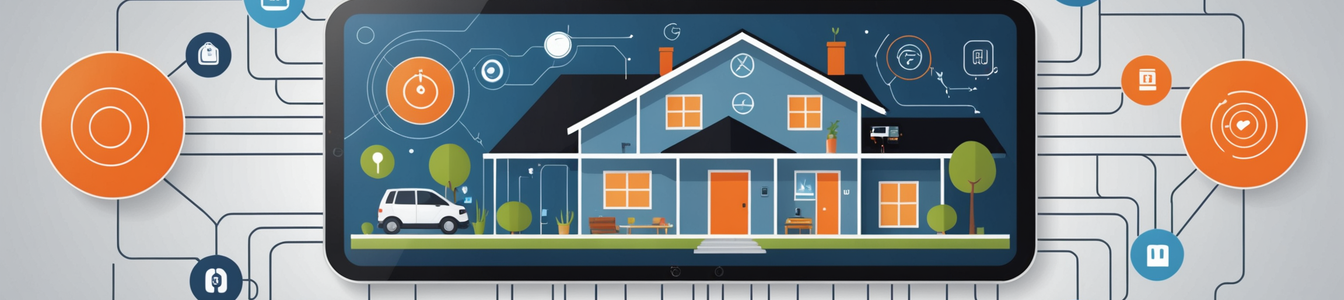
The vision of the fully automated, self-learning smart home is rapidly materializing. Predictions for the near future, such as those highlighted in CES trends, point to housekeepers that learn routines autonomously, and ecosystems where devices communicate and adapt without human programming. This technological leap, however, is creating a dangerous security paradox. The weakest link in these advanced networks is not a flawed chip or an unpatched firmware—it's the human memory and the archaic password habits it perpetuates.
The Expanding Attack Surface of Convenience
The market is flooded with affordable smart devices—smart plugs, lights, cameras, locks, and voice assistants—often purchased during sales events. Each device represents a new node in the home network, each with its own login portal, mobile app, and default credentials. Consumers, facing 'password fatigue,' overwhelmingly resort to dangerous shortcuts: reusing a single password across multiple devices and platforms, creating simple variations ('Home123', 'Home456'), or worse, never changing default admin passwords. This creates a brittle security chain where compromising one device—perhaps a low-security smart bulb—can provide the credentials needed to pivot to more critical systems like door locks or security cameras.
The Credential Cascade: A Systemic IoT Threat
For cybersecurity professionals, this is a familiar threat model scaled into the consumer domain. Attackers no longer need to exploit zero-day vulnerabilities in every device. Instead, they target the common denominator: the user's credential set. Techniques like credential stuffing—automatically trying username/password pairs leaked from other breaches—are alarmingly effective against IoT ecosystems. A password reused from a compromised email or social media account can unlock the digital front door. The consequence is a 'credential cascade,' where a single point of failure leads to a total compromise of the domestic network, enabling surveillance, theft, or even physical intrusion.
Password Managers: The Non-Negotiable Security Layer
This is why security experts are unequivocal: a reputable password manager is the most critical security purchase for any smart home, more urgent than the next gadget. It solves the core human problem by:
- Generating and storing unique, complex passwords for every device and account, eliminating reuse.
- Automating login processes, reducing the temptation to choose weak passwords for convenience.
- Securing credentials in an encrypted vault, protected by one strong master password and multi-factor authentication.
Integrating a password manager transforms the security posture. The smart lock has a 20-character random password; the Wi-Fi router's admin panel uses another; the streaming service tied to the smart TV uses a third. Breach of one service does not endanger the others.
The Road Ahead: Integrating IAM into Consumer IoT
The long-term solution requires action from both the industry and the cybersecurity community. Device manufacturers must move beyond default passwords and integrate support for modern authentication standards (like FIDO2/WebAuthn) and easier integration with password managers. The cybersecurity field must drive consumer awareness, framing password hygiene not as optional computer advice but as essential home safety practice, akin to locking a physical door.
As we stand on the brink of the autonomous smart home era, the lesson is clear. The intelligence of our homes will be measured not just by the AI in the devices, but by the wisdom we apply in securing them. Building that future starts with solving the fundamental password paradox, making robust credential management the unshakable foundation of every connected home.
Comentarios 0
Comentando como:
¡Únete a la conversación!
Sé el primero en compartir tu opinión sobre este artículo.
¡Inicia la conversación!
Sé el primero en comentar este artículo.