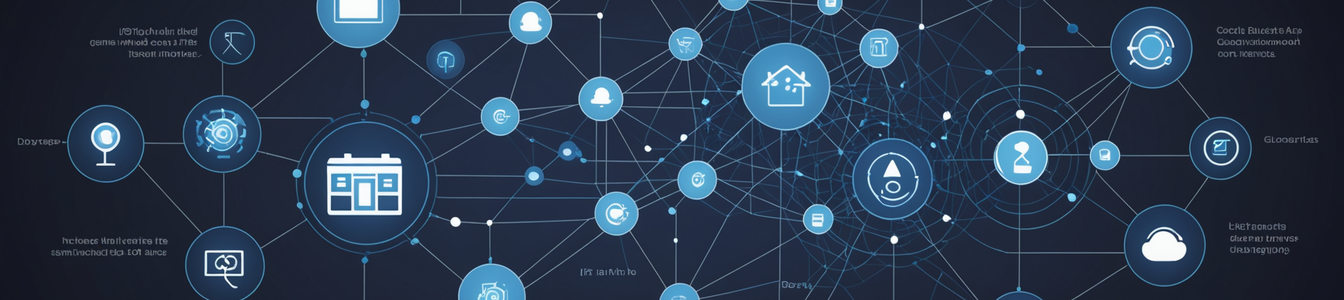
The smart home retail sector is experiencing unprecedented growth as major players like IKEA and Anker accelerate their IoT device ecosystems, creating both convenience for consumers and significant security challenges for cybersecurity professionals. This expansion, characterized by competitive pricing and aggressive marketing during key shopping periods, is introducing millions of new connected devices into homes with varying levels of security implementation.
IKEA's comprehensive smart home lineup now includes Matter-compatible devices, positioning the home furnishing giant as a major player in the connected home space. The adoption of Matter protocol represents a step forward for interoperability, but also introduces new attack surfaces that malicious actors could exploit. Similarly, Anker's strategic push during major shopping events like 11.11 demonstrates how consumer electronics companies are leveraging promotional pricing to capture market share in the rapidly expanding smart home segment.
The security implications of this retail-driven IoT expansion are multifaceted. First, the race to market often prioritizes features and cost over security, resulting in devices with inadequate protection mechanisms. Many consumer-grade smart home products lack robust authentication protocols, regular security updates, and proper data encryption. This creates vulnerabilities that can be exploited to gain unauthorized access to home networks.
Second, the integration of multiple devices from different manufacturers increases complexity and potential security gaps. As consumers mix IKEA's smart lighting with Anker's charging solutions and emerging brands' energy-efficient appliances, they create heterogeneous networks where security weaknesses in one device can compromise the entire ecosystem. The Matter protocol, while improving interoperability, doesn't necessarily guarantee uniform security standards across all compatible devices.
Third, the emphasis on energy efficiency in newer smart home appliances introduces additional security considerations. Devices optimized for power conservation may sacrifice computational resources needed for robust security operations, creating potential vulnerabilities in authentication and encryption processes.
Cybersecurity professionals must address several critical areas: ensuring proper network segmentation for IoT devices, implementing strong authentication mechanisms, establishing regular firmware update protocols, and educating consumers about basic security hygiene. The retail industry's push toward affordable smart home technology requires corresponding investment in security awareness and infrastructure to prevent these convenient devices from becoming entry points for broader network compromises.
As the holiday shopping season approaches and smart home devices feature prominently in gift guides, the security community faces increased responsibility to advocate for better security standards while helping consumers navigate the risks associated with the connected home revolution.
Comentarios 0
Comentando como:
¡Únete a la conversación!
Sé el primero en compartir tu opinión sobre este artículo.
¡Inicia la conversación!
Sé el primero en comentar este artículo.