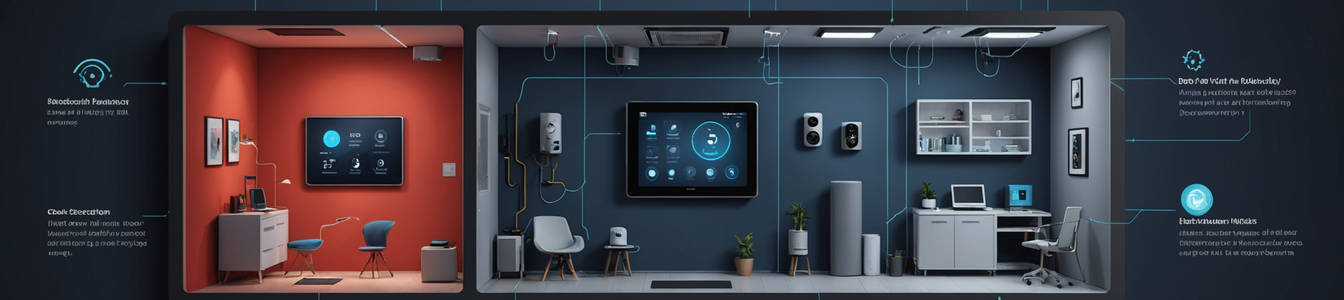
The smart home revolution has delivered unprecedented convenience to millions of households, but beneath the surface of voice-activated lights and automated thermostats lies a growing cybersecurity crisis. Recent investigations reveal that approximately 85% of smart home owners neglect fundamental security maintenance, creating vulnerable ecosystems that threaten both personal privacy and broader network security. This forgotten maintenance crisis represents one of the most significant unaddressed vulnerabilities in consumer technology today.
The Maintenance Gap: Expert Recommendations vs. User Reality
Smart home experts consistently recommend five essential security maintenance tasks that most users ignore. First, regular firmware updates for all connected devices represent the most critical yet overlooked security measure. Manufacturers frequently release patches for discovered vulnerabilities, but without automated update systems, these fixes remain unapplied in most households. Second, password management remains abysmal, with users rarely changing default credentials or implementing strong, unique passwords for different devices. Third, network segmentation—separating IoT devices from primary computing networks—is practiced by less than 15% of households despite being a fundamental security best practice.
Fourth, regular audits of device permissions and connected services are virtually nonexistent among casual users. Smart home devices often maintain excessive permissions long after their useful life, creating persistent security risks. Fifth, the physical security of devices themselves is frequently overlooked, with outdated or compromised devices remaining connected to networks indefinitely.
Protocol Proliferation: Thread, Zigbee, and Matter Compatibility Challenges
The smart home security landscape is further complicated by competing wireless protocols. Thread, Zigbee, and the newer Matter standard each offer different security implementations and compatibility requirements. While Matter promises improved interoperability and security through its IP-based approach, the transition period leaves millions of devices operating on older, potentially less secure protocols. This protocol fragmentation creates security blind spots, as homeowners mix and match devices without understanding the security implications of each standard.
Thread's mesh networking offers robust connectivity but requires careful configuration to prevent unauthorized node access. Zigbee's widespread adoption comes with varying security implementations across manufacturers. Matter's certification process improves baseline security but cannot retroactively secure legacy devices. This technical complexity overwhelms average users, who prioritize functionality over security when building their smart home ecosystems.
Budget Expansion: The Security Implications of Accessible Smart Homes
The recent compatibility announcement between IKEA's smart home devices and Samsung's ecosystem exemplifies a broader trend: smart home technology is becoming increasingly accessible to budget-conscious consumers. While this democratization of technology is positive for adoption, it introduces significant security considerations. Low-cost devices often cut corners on security features, receive fewer firmware updates throughout their lifecycle, and may lack enterprise-grade encryption protocols.
The IKEA-Samsung partnership enables consumers to create comprehensive smart homes without premium investments, but security professionals must consider whether these affordable ecosystems receive the same security scrutiny as their more expensive counterparts. As price barriers fall, the attack surface expands exponentially, with millions of new devices entering homes with potentially inadequate security configurations.
Practical Automation: Security-First Implementations
Smart home experts recommend several automations that can enhance both convenience and security. Automated lighting schedules can simulate occupancy during travel periods, while smart locks with activity logging provide audit trails of home access. However, these automations must be implemented with security as a foundational consideration. Voice assistant routines that control multiple devices should require authentication for sensitive actions, and remote access capabilities should be limited to secured connections through VPNs or other protected channels.
The most useful automations from a security perspective include regular security check notifications, automated backup of device configurations, and scheduled network scans for unauthorized devices. These proactive measures transform smart homes from passive technology collections to actively managed security environments.
The Cybersecurity Professional's Role in Residential IoT Security
As the boundary between corporate and residential security continues to blur—especially with remote work arrangements—cybersecurity professionals must expand their focus to include smart home ecosystems. Compromised IoT devices frequently serve as entry points to broader network infiltration, with attackers using vulnerable smart cameras, thermostats, and assistants as footholds into more valuable systems.
Security teams should develop residential IoT security guidelines for employees working remotely, including recommendations for network segmentation, regular maintenance schedules, and device selection criteria. The forgotten maintenance crisis in smart homes represents not just a consumer issue but a corporate security vulnerability that demands professional attention.
Moving Forward: Addressing the Maintenance Crisis
Solving the smart home maintenance crisis requires action from multiple stakeholders. Manufacturers must implement more aggressive automatic update systems with clear security notifications. Retailers should provide basic security setup services with device purchases. Cybersecurity professionals need to develop consumer-friendly security frameworks that don't require technical expertise to implement.
Most importantly, users must recognize that smart home ownership carries security responsibilities comparable to computer ownership. The convenience of connected devices cannot come at the cost of personal and network security. As smart home technology continues its inevitable expansion into nearly every household, addressing this maintenance gap becomes increasingly urgent for individual privacy and collective cybersecurity.
Comentarios 0
Comentando como:
¡Únete a la conversación!
Sé el primero en compartir tu opinión sobre este artículo.
¡Inicia la conversación!
Sé el primero en comentar este artículo.