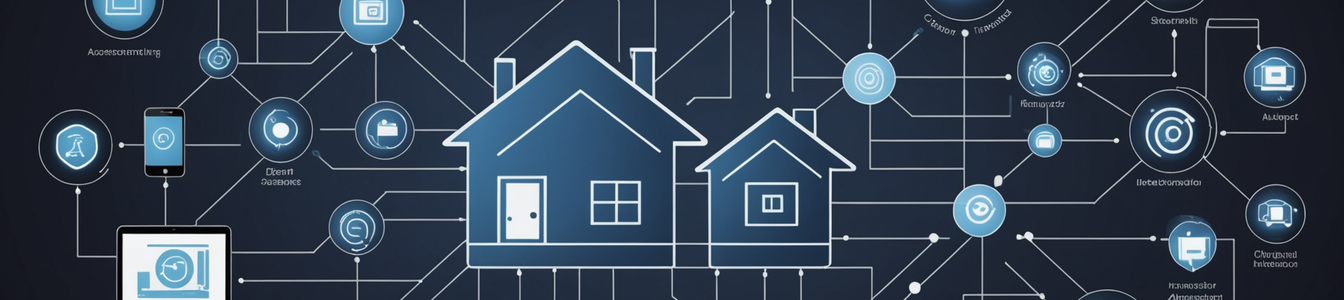
The smart home revolution has brought unprecedented convenience to millions of households worldwide, but this convenience comes with significant cybersecurity implications that demand professional attention. As surveillance technologies become increasingly sophisticated and interconnected, they create complex security challenges that extend far beyond individual device vulnerabilities.
Global Expansion and Security Implications
The international expansion of smart home security companies like EZVIZ into markets such as Pakistan demonstrates the rapid globalization of surveillance technologies. While this expansion brings advanced security features to new regions, it also introduces unique challenges related to data sovereignty, cross-border data transfers, and varying regulatory frameworks. Security professionals must consider how different jurisdictions handle personal data and what protections are available when devices manufactured in one country store data in another.
Specialized installation and repair services for brands like DoorBird in major metropolitan areas highlight the growing complexity of these systems. As these technologies become more specialized, they require deeper technical expertise for proper configuration and maintenance. This specialization creates both opportunities and challenges for cybersecurity professionals, who must understand the specific vulnerabilities associated with different platforms and implementations.
Engineering Foundations and Security Trade-offs
The engineering principles behind modern smart homes, as discussed by industry experts, reveal fundamental tensions between functionality, convenience, and security. Many early smart home systems were designed with connectivity as the primary goal, often at the expense of robust security measures. This legacy continues to affect current-generation devices, creating persistent vulnerabilities that attackers can exploit.
Technical vulnerabilities in smart home surveillance systems typically fall into several categories: insecure network communications, weak authentication mechanisms, inadequate encryption protocols, and vulnerabilities in cloud integration. These weaknesses can allow attackers to intercept video feeds, gain unauthorized access to home networks, or even use compromised devices as entry points for broader network attacks.
Privacy Implications of Advanced Surveillance
The privacy implications of pervasive smart home surveillance extend beyond simple data collection. Modern systems often incorporate artificial intelligence and machine learning capabilities that can analyze behavior patterns, recognize faces, and even predict activities. While these features enhance security functionality, they also raise significant privacy concerns about constant monitoring and data aggregation.
Cybersecurity professionals must consider how these systems handle sensitive data, including who has access to the information, how long it's retained, and what protections are in place against unauthorized access. The integration of multiple devices creates comprehensive digital profiles of household activities, making robust security measures essential for protecting user privacy.
Best Practices for Security Professionals
Organizations and security professionals should implement several key strategies to mitigate risks associated with smart home surveillance systems. Network segmentation is crucial for isolating IoT devices from critical network resources. Regular firmware updates and security patches must be prioritized, along with strong authentication mechanisms and encryption protocols.
Security assessments should include thorough reviews of device permissions, data storage practices, and third-party integrations. Professionals should also consider the supply chain security of smart home devices, evaluating manufacturer security practices and vulnerability management processes.
As the smart home ecosystem continues to evolve, cybersecurity professionals play a critical role in ensuring that security and privacy considerations keep pace with technological innovation. By understanding the unique challenges posed by these interconnected systems and implementing appropriate safeguards, we can harness the benefits of smart home technology while minimizing the associated risks.
Comentarios 0
Comentando como:
¡Únete a la conversación!
Sé el primero en compartir tu opinión sobre este artículo.
¡Inicia la conversación!
Sé el primero en comentar este artículo.