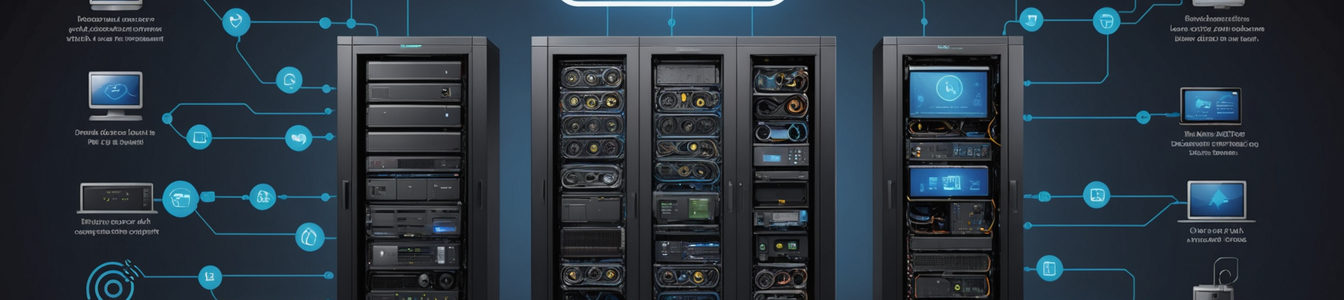
A quiet experiment is unfolding in the basements and network closets of security-conscious smart home users: the deliberate severing of IoT devices from the wider internet. Motivated by privacy concerns, resilience against outages, and a desire to reduce attack surfaces, these users are implementing a 'local lockdown.' The findings, however, paint a nuanced picture that cybersecurity architects and IoT security professionals must understand. It's not a simple binary of 'secure' versus 'insecure,' but a shift in the risk and control paradigm.
Unexpected Resilience: Core Functions Survive the Disconnect
The most immediate discovery is that a significant portion of a modern smart home's functionality is not reliant on a cloud heartbeat. Basic automation, sensor-triggered lights, local voice commands via hubs, and scheduled scenes often continue to operate seamlessly. This resilience is a double-edged sword. It demonstrates that manufacturers have built in local processing capabilities, often using hubs like the Philips Hue Bridge—now Matter-compatible, promoting local interoperability—to manage device clusters. This local autonomy is a boon for uptime but also means that if a malicious actor gains access to the local network, a rich ecosystem of controllable devices awaits, potentially operating without the security scrutiny of cloud-mediated commands.
The Hidden Attack Surface: Local APIs and Protocols
When the cloud gateway is removed, the local communication channels become the new frontline. Devices that communicate via Zigbee, Z-Wave, Thread, or even local Wi-Fi APIs expose their interfaces directly on the home network. Open-source home automation platforms like Home Assistant, which can integrate everything from light bulbs to Proxmox servers for advanced automation, thrive in this environment by speaking directly to these local protocols. For a defender, this requires a deep understanding of local network segmentation. Simply blocking internet access is insufficient; rigorous internal firewall rules, VLAN segregation for IoT devices, and monitoring of local protocol traffic (like MQTT) become paramount. The compromise of a single, poorly secured local device could become a pivot point to attack others, all without a single packet leaving the LAN.
Vendor Lock-In and the Standardization Gamble
The 'local lockdown' experiment brutally exposes the depth of vendor lock-in. While a Shelly Gen4 smart plug is celebrated for its hub-free, local-first design and open API, many mainstream devices become 'dumb' or severely limited without their cloud service. This creates a fragmentation of security postures within a single home. The push towards the Matter standard, as seen with the latest Hue Bridge, promises a future with stronger local interoperability and security by design, using standard IP-based protocols. For cybersecurity professionals, Matter represents a potential consolidation of the attack surface with standardized security controls, but its widespread adoption is still in progress. The current landscape is a patchwork, requiring tailored security policies for different device classes.
The Cybersecurity Professional's Blueprint for a Local-First Smart Home
- Network Segmentation as a Non-Negotiable: IoT devices must reside on a dedicated VLAN, isolated from primary client networks and especially from workstations holding sensitive data. Firewall rules should explicitly block all IoT-initiated internet traffic and carefully control inter-VLAN communication.
- Inventory and Protocol Analysis: You cannot secure what you do not understand. Map all devices, noting their communication protocols (Zigbee, CoAP, local HTTP). Use tools to monitor local network traffic for unusual activity, even if it's 'internal.'
- Embrace and Secure Local Hubs: Hubs and controllers like Home Assistant become critical infrastructure. They must be hardened: regularly updated, configured with strong authentication, and their integrations (like the Proxmox module for managing VMs) must be vetted for security.
- Evaluate the True Cost: The choice for local control often involves trading convenience for security. Automatic firmware updates may be manual. Advanced AI features from the cloud are lost. The security plan must account for this operational overhead.
- Future-Proof with Standards: Prioritize devices supporting local control via open APIs or the Matter standard. This not only reduces cloud dependency but also aligns with a more manageable, standardized security model.
Conclusion: A Strategic Isolation
Isolating the smart home is not about retreating from technology but about strategically controlling its boundaries. It reveals that resilience and risk are two sides of the same local coin. For the cybersecurity community, this trend underscores the urgent need to move beyond merely filtering internet traffic and to develop robust strategies for securing the increasingly complex and capable internal networks of the modern smart home. The local network is no longer a trusted safe zone; it is a new perimeter teeming with both autonomous functionality and potential vulnerability.
Comentarios 0
Comentando como:
¡Únete a la conversación!
Sé el primero en compartir tu opinión sobre este artículo.
¡Inicia la conversación!
Sé el primero en comentar este artículo.