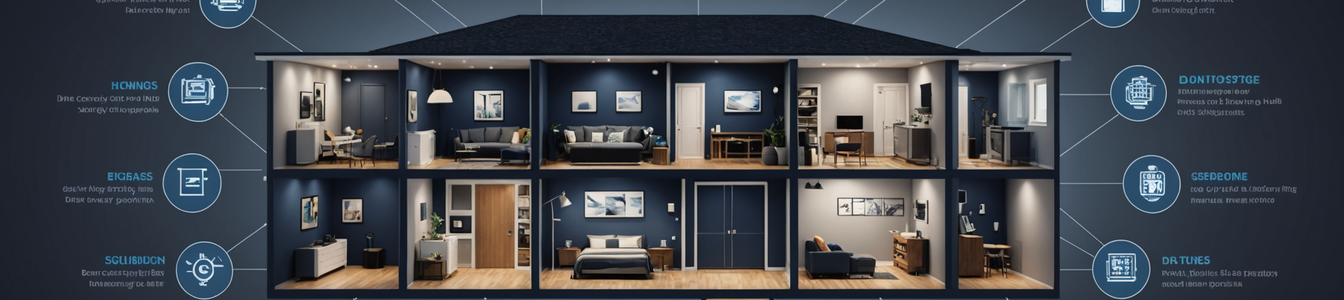
A silent crisis is unfolding within the walls of modern homes. What was once marketed as the pinnacle of convenience—the connected, smart home—is revealing a critical flaw: its inherent fragility. The recent, almost simultaneous announcements from Belkin and ADT serve as a stark warning siren for the entire Internet of Things (IoT) ecosystem. Belkin has confirmed it will shut down the cloud services for its Wemo line of smart plugs, switches, and lights, rendering them functionally inert. Separately, security giant ADT is severing a key integration with Google Nest, dismantling a promised ecosystem of interoperability. These are not isolated incidents but symptoms of a systemic disease plaguing consumer IoT: the planned obsolescence and abandonment of cloud-dependent devices, creating a ticking time bomb of orphaned vulnerabilities on home networks.
The Anatomy of an Orphaned Device
When a vendor like Belkin decides to sunset a cloud service, the impact is immediate and absolute for devices that rely on it for core functionality. A Wemo smart plug, for instance, loses its remote control capabilities, scheduling, and integration with voice assistants like Amazon Alexa or Google Assistant. It becomes, in the vernacular, 'bricked'—a piece of hardware with diminished or zero utility. However, from a cybersecurity perspective, the story is far more sinister. That 'brick' is often still connected to the home Wi-Fi network. It may still have embedded software with unpatched vulnerabilities, but now with no possibility of ever receiving a security update. It becomes a persistent, low-maintenance entry point for attackers. If compromised, such a device can serve as a beachhead within the network, allowing lateral movement to target more valuable assets like personal computers, NAS drives, or even other IoT devices.
The ADT-Nest case, while different in mechanics, underscores the same ecosystem fragility. ADT promoted deep integration with Google Nest devices as a premium feature, creating a unified security and smart home experience. By dropping this support, they are not bricking hardware but breaking a trusted chain of functionality. This 'ecosystem decay' forces homeowners into difficult choices: do they replace perfectly functional Nest devices to maintain full ADT system integration, or do they accept a degraded security posture with disconnected subsystems? This fragmentation directly contradicts the 'seamless integration' promise that sold these systems and introduces potential security gaps where automated responses between systems fail.
The Expanding Attack Surface for Cybersecurity Pros
For cybersecurity professionals, particularly those in operational roles or consulting for residential security, this trend represents a nightmare scenario that is notoriously difficult to manage. The attack surface is expanding invisibly. Traditional vulnerability management relies on inventories and patch cycles, but how does one patch a device that the manufacturer has declared dead? These orphaned devices fly under the radar of standard asset management tools, especially in complex home networks that now resemble small corporate environments.
The risk extends beyond the individual home. Botnets like Mirai have historically preyed upon poorly secured IoT devices. A new wave of orphaned, unpatched devices from reputable brands like Belkin provides a fertile ground for the next generation of IoT botnets. These devices often have more processing power and better network persistence than cheap cameras or routers, making them valuable assets for malicious actors. The responsibility for mitigation falls on an unprepared user base and an IT/security community that has limited visibility or control over these consumer-grade products.
Broader Implications and the Path Forward
This 'Great Smart Home Shutdown' exposes fundamental flaws in the current IoT business model. The reliance on vendor-hosted cloud services for basic operation creates a single point of failure and transfers complete control over a product's lifespan from the consumer to the corporation. There is a glaring lack of regulatory frameworks or industry standards mandating minimum support periods, secure sunsetting procedures, or the provision of local-control fallback options.
The cybersecurity community must advocate for several key changes. First, the adoption of local-first and open-standard protocols (like Matter, though its long-term success remains to be seen) that reduce cloud dependency. Second, pushing for 'right to repair' and 'right to own' legislation that would require manufacturers to release tools or firmware to allow community-supported functionality after official support ends. Third, developing better tools for home network auditing that can identify and segment legacy IoT devices.
For now, the immediate advice for consumers and professionals alike is to conduct an IoT audit. Inventory every connected device, research its support status, and isolate those that are no longer receiving updates on a separate VLAN or guest network. The era of trusting smart home vendors with the long-term security of our networks is over. The shutdowns at Belkin and ADT are not the end, but a ominous beginning. As the first generation of smart home products reaches maturity, a wave of decommissioning is coming. The security and resilience of our connected homes depend on how the industry and its regulators respond to this wake-up call.
Comentarios 0
Comentando como:
¡Únete a la conversación!
Sé el primero en compartir tu opinión sobre este artículo.
¡Inicia la conversación!
Sé el primero en comentar este artículo.