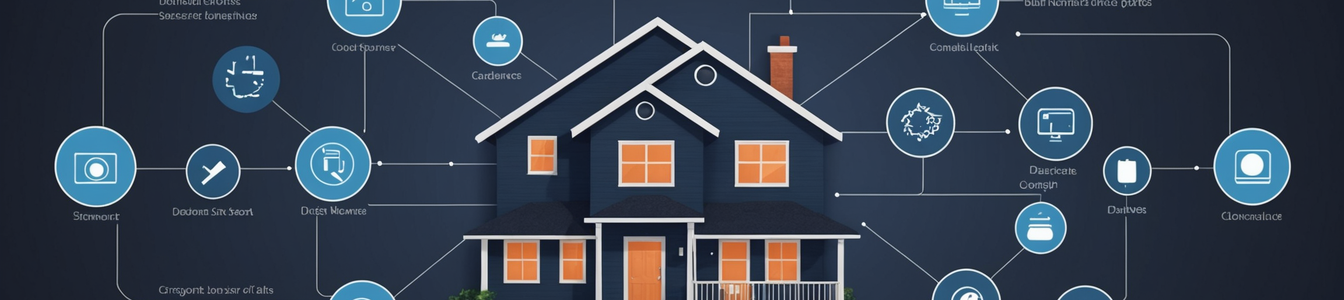
The promise of the smart home was seamless integration—a unified ecosystem where devices from different manufacturers work in concert to create convenience, efficiency, and enhanced security. However, a growing and deliberate trend is turning that promise into a fragmented battleground. Internet of Things (IoT) device manufacturers are increasingly weaponizing software updates to sever connections with third-party platforms and accessories, forcing consumers into walled gardens and creating new vectors for cybersecurity risk. This practice, known as "update-induced lock-in," represents a fundamental shift in the threat model for connected consumer devices, moving from external hackers to the vendors themselves.
The Chamberlain Case: A Blueprint for Lock-in
The most glaring recent example involves Chamberlain Group, the manufacturer of MyQ-connected garage door openers. In a move that sparked outrage among smart home enthusiasts, Chamberlain deployed a platform update that deliberately broke compatibility with popular aftermarket controllers and third-party integration platforms. This was not a bug or an unintended consequence of a security patch; it was a calculated business decision to disable functionality that allowed users to connect their garage doors to broader ecosystems like Home Assistant, SmartThings, or Apple HomeKit via unofficial bridges.
For users, the impact was immediate and severe. Automated routines failed, security systems built around garage door status were broken, and investments in complementary hardware were rendered useless overnight. Chamberlain's justification typically centers on "security" and "reliability," claiming that unsanctioned integrations could pose risks. However, cybersecurity professionals note the irony: by blocking stable, community-vetted integrations, manufacturers often push users towards less secure, proprietary cloud-dependent apps or drive them to seek riskier, unofficial jailbreaks.
The Ripple Effect: Security Risks of a Fragmented Ecosystem
This strategy creates a cascade of security issues. First, it promotes vendor lock-in, reducing competitive pressure on manufacturers to maintain robust security postures. If users cannot easily switch providers, vendors have less incentive to invest in timely patches, strong encryption, or transparent vulnerability disclosure.
Second, it leads to device abandonment and insecure workarounds. When a critical integration is killed by an update, users face a dilemma: abandon the now-limited device (creating e-waste and a potential 'orphaned' attack surface if it remains connected) or find a way to re-enable functionality. This often leads users to online forums where unofficial firmware modifications, reverse-engineered APIs, and hardware hacks are shared. These solutions, developed without security audits or vendor support, can introduce severe vulnerabilities, including exposed administrative access, unencrypted local traffic, or backdoored firmware.
Third, it undermines the principle of defense-in-depth in smart home security. A integrated system allows for centralized monitoring, consistent security policies, and coordinated responses (like locking all doors and activating lights upon a trigger). Forced fragmentation breaks these coordinated security models, leaving isolated devices with potentially weak individual defenses.
The Broader Landscape: Market Forces and Consumer Backlash
Chamberlain is not alone. This pattern is observable across the IoT industry, from smart TVs to Wi-Fi routers. The business motive is clear: control over the ecosystem allows for monetization through data, subscription services, and accessory sales. The liquidation of Amazon's Alexa-enabled devices, as reported, hints at the financial pressures in the voice-assistant market, potentially incentivizing vendors to tighten control over remaining product lines to secure revenue streams.
Conversely, a counter-movement is gaining traction, highlighting the demand for openness. The rise of DIY platforms like ESPHome, where users can build custom sensors and controllers for under $10 using open-source firmware, is a direct response to vendor lock-in. These platforms offer local control, privacy, and immunity from anti-integration updates, appealing to security-conscious users. Similarly, platforms like Samsung SmartThings promote their ability to unify devices from various brands into a single app, a value proposition directly threatened by manufacturers breaking APIs.
The Cybersecurity Imperative: Advocating for Open Standards
For cybersecurity professionals, this trend is a call to action. The security of the smart home cannot be an afterthought dictated by vendor business models. Several key responses are necessary:
- Support for Local Protocols and Standards: Advocating for and adopting standards like Matter, which promise multi-vendor interoperability with local control, is crucial. Security assessments must now include a vendor's commitment to open standards and historical behavior regarding API stability.
- Supply Chain and Lifecycle Transparency: Organizations procuring IoT devices must demand contractual guarantees regarding API longevity and update policies. A vendor's update history should be a key factor in security procurement checklists.
- Consumer Education: Users need to understand that the cheapest or most convenient device may carry a hidden cost of future lock-in and insecurity. Prioritizing devices with local API access, open documentation, and a history of supporting integrations is a security best practice.
- Regulatory Scrutiny: There is a growing argument for regulatory bodies to examine whether deliberately breaking functionality via update constitutes an anti-competitive practice or violates consumer protection laws, especially when marketed as a 'security update.'
The 'Great Smart Home Lockout' is more than an inconvenience; it's a systemic security threat. By turning updates into weapons for market control, manufacturers are eroding trust, fostering insecure environments, and undermining the integrated security potential of smart homes. The cybersecurity community must prioritize interoperability and user autonomy as non-negotiable components of a secure IoT future, pushing back against the walled gardens that leave everyone more vulnerable.
Comentarios 0
Comentando como:
¡Únete a la conversación!
Sé el primero en compartir tu opinión sobre este artículo.
¡Inicia la conversación!
Sé el primero en comentar este artículo.