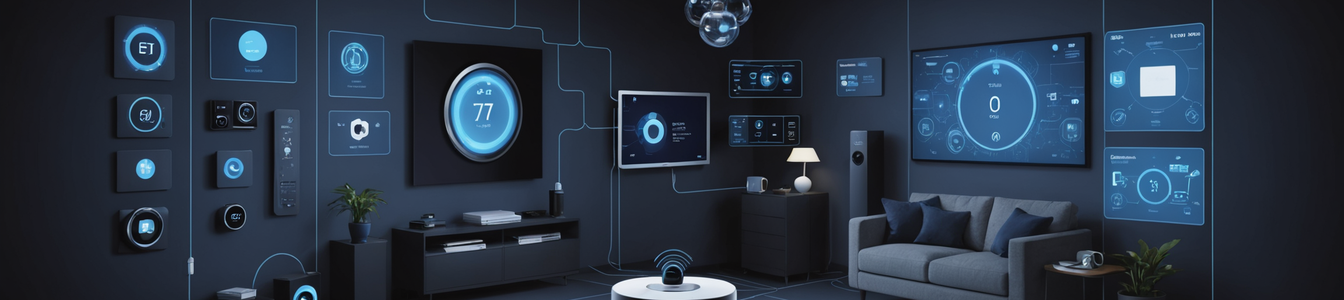
The promise of the seamless, interconnected smart home is rapidly colliding with a harsh reality: platform abandonment and ecosystem fragmentation. As major tech companies shift strategies, deprioritize development, or sunset services, millions of users are being left with increasingly vulnerable digital environments. This isn't merely an inconvenience; it's a brewing cybersecurity crisis that extends from the living room to the corporate network, demanding immediate attention from security professionals and consumers alike.
The Stagnating Core: When Central Hubs Lose Priority
The central nervous system of many smart homes—platforms like Google Home, Amazon Alexa, and Apple HomeKit—is showing signs of strategic stagnation. Analysis indicates that platforms such as Google Home have failed to deliver meaningful innovation or robust reliability, making them a risky foundation for a long-term smart home investment. Users report persistent issues with inconsistent device responses, dropped connections, and an overall lack of proactive development. This stagnation is a precursor to abandonment. When a platform is no longer a strategic priority for its parent company, security updates become sporadic, new vulnerability patches are delayed, and the entire ecosystem surrounding it begins to decay. The hub that was meant to unify and secure the smart home becomes its single greatest point of failure.
The Proliferation Problem: Incompatible Devices and Legacy Vulnerabilities
Compounding the core platform issue is an uncontrolled proliferation of smart devices, each with its own security posture, update cycle, and compatibility requirements. Reviews of essential safety devices, like smart smoke alarms, reveal a stark disparity in reliability and software support. The 'worst' performers are often plagued by firmware bugs, poor connectivity, and a short support lifespan from their manufacturers. As platforms stagnate, the interoperability between these devices breaks down. A user might be forced to manage multiple, siloed apps for lights, locks, climate control, and safety sensors, each a potential attack vector. Worse, when a device manufacturer goes out of business or ends support, that device becomes a 'legacy' threat—an always-on, connected endpoint that will never receive another security patch, yet retains network access.
The Expansion into New Frontiers: Security as an Afterthought
The smart home evolution is pushing into new, complex domains like high-tech backyards, exemplified by devices such as cordless pool vacuum robots. These devices represent the next frontier, integrating robotics, computer vision, and wireless connectivity into external environments. However, this rapid expansion often treats security as a secondary feature. These niche products are frequently developed by startups or companies new to the IoT space, focusing on functionality and market capture over building a secure, updatable architecture. They may rely on outdated libraries, have hard-coded credentials, or lack encrypted communication channels, creating new, often overlooked, entry points into the home network.
The Cybersecurity Impact: From Consumer Risk to Corporate Threat
For cybersecurity professionals, this fragmentation and abandonment create a perfect storm. The traditional perimeter has dissolved; the home network is now a critical extension of the corporate attack surface due to widespread remote work. An abandoned smart plug, a deprecated security camera, or an unsupported smart lock can serve as a persistent foothold for attackers. Once inside the home network, lateral movement can lead to the compromise of personal computers, smartphones, and ultimately—through VPN connections or synchronized credentials—corporate resources. This threat is systemic and difficult to mitigate because it resides in consumer-grade hardware outside the control of enterprise IT departments.
The Path Forward: Security-First, Open-Standard Planning
The solution requires a fundamental shift in how smart homes are conceived and built. The current model of 'walled garden' ecosystems locked to a single platform is inherently fragile. The industry and informed consumers must move towards:
- Demanding Open Standards: Advocacy for and adoption of local, interoperable protocols like Matter/Thread, which reduce dependency on any single cloud platform and allow devices to function securely even if a company discontinues its service.
- Prioritizing Security Lifecycles: Consumers must inquire about and manufacturers must transparently provide a minimum guaranteed security support period for every connected device, similar to software EOL (End-of-Life) policies.
- Implementing Network Segmentation: Security guidance must include instructions for placing all IoT devices on a dedicated, segregated Wi-Fi network, preventing them from directly communicating with primary devices like laptops and phones.
- Conducting Proactive Audits: Home users, especially those working remotely, should regularly audit their smart home devices, removing unsupported hardware and ensuring all firmware is current.
Conclusion
The dream of a convenient smart home should not come at the cost of personal and organizational security. The current trend of platform abandonment and unchecked fragmentation is creating a vast landscape of vulnerable endpoints. For the cybersecurity community, the task is twofold: to educate consumers on the tangible risks embedded in their light bulbs and doorbells, and to pressure the IoT industry to adopt sustainable, secure-by-design principles. The integrity of our future digital lives depends on building ecosystems that are not only smart but also resilient and trustworthy.
Comentarios 0
Comentando como:
¡Únete a la conversación!
Sé el primero en compartir tu opinión sobre este artículo.
¡Inicia la conversación!
Sé el primero en comentar este artículo.