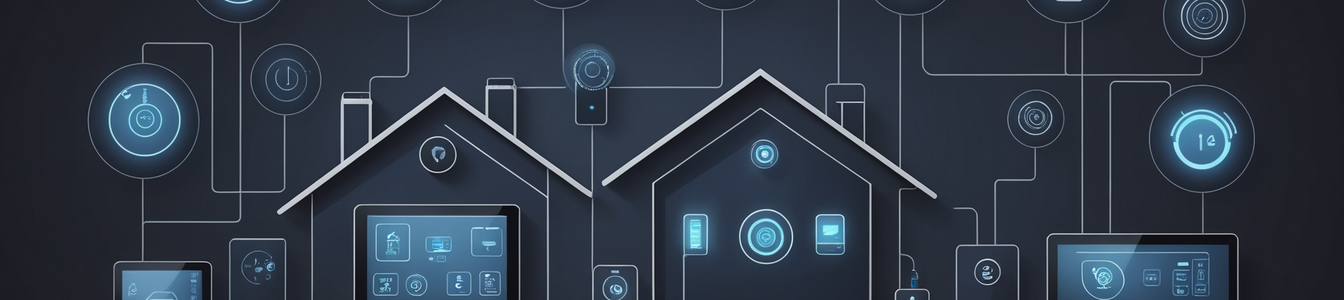
A quiet revolution is transforming homes across the globe, driven not by cutting-edge innovation but by aggressive discounting and a relentless push for affordability. The 'budget smart home' boom, exemplified by deep discounts on legacy devices like the Philips Hue Outdoor Motion Sensor and a proliferation of online guides for the 'cheapest ways' to automate a house, is democratizing home automation. However, cybersecurity professionals are sounding the alarm: this surge in low-cost, often end-of-life or security-agnostic IoT devices is systematically constructing a vast, vulnerable attack surface within residential networks—a security time bomb ticking in millions of homes.
The market dynamics are clear. To clear out leftover 2025 stock, major brands are slashing prices on older hardware. Consumers, eager to 'supercharge' their homes with smart lighting, sensors, and plugs without breaking the bank, are snapping up these bargains. Forbes-style guides for the coming year promise to help users achieve a connected home on a shoestring budget, often prioritizing cost and convenience over security best practices. The result is a perfect storm: an influx of devices with potentially outdated firmware, known vulnerabilities, and minimal security oversight, all being integrated into home Wi-Fi networks that are rarely segmented or properly secured.
The technical risks are multifaceted. First, there is the direct threat to individual homeowners. Many budget devices lack secure boot processes, use hard-coded or default credentials, and have unencrypted communication channels. An insecure outdoor motion sensor or smart plug can serve as a pivot point into the home network, potentially granting access to more sensitive devices like laptops, phones, or network-attached storage. Privacy is also at stake, with data from these devices often transmitted to cloud servers with opaque data governance policies.
Second, and more concerning for the broader cybersecurity ecosystem, is the botnet potential. These devices are not isolated; they are internet-connected and notoriously difficult to patch. Their homogeneity—millions of identical devices from the same cheap product line—makes them ideal targets for automated exploitation. Once compromised, they become obedient soldiers in botnets like Mirai, which can be weaponized for massive Distributed Denial of Service (DDoS) attacks against critical infrastructure, financial institutions, and government services. The residential network has become the new recruiting ground for cybercriminal armies.
This trend exposes a critical gap in the IoT security lifecycle. Enterprise vulnerability management programs are ill-equipped to handle vulnerabilities scattered across consumer-grade devices in private homes. There is no centralized patch management, no security team monitoring logs, and often no clear mechanism for the manufacturer to push critical updates years after a device is sold at a clearance price. The consumer is left as the de facto system administrator, a role for which they are overwhelmingly unprepared.
The path forward requires a multi-stakeholder approach. The cybersecurity community must advocate for and help develop stronger baseline security standards for all IoT devices, regardless of price point. Consumer education is paramount; guides on 'how to build a smart home' must include chapters on network segmentation, strong unique passwords, and regular firmware checks. Retailers and manufacturers have a responsibility to provide clear security information and support lifespans for devices. Finally, network operators and ISPs may need to explore tools to help identify and quarantine compromised IoT devices on their customers' networks.
Ignoring the security implications of the budget smart home boom is not an option. The convergence of market forces pushing cheap automation and the technical reality of insecure IoT is creating a systemic risk. Addressing it demands shifting the narrative from mere convenience to conscious, secure connectivity, ensuring the smart home of the future is not also the weak link in our global digital security chain.
Comentarios 0
Comentando como:
¡Únete a la conversación!
Sé el primero en compartir tu opinión sobre este artículo.
¡Inicia la conversación!
Sé el primero en comentar este artículo.