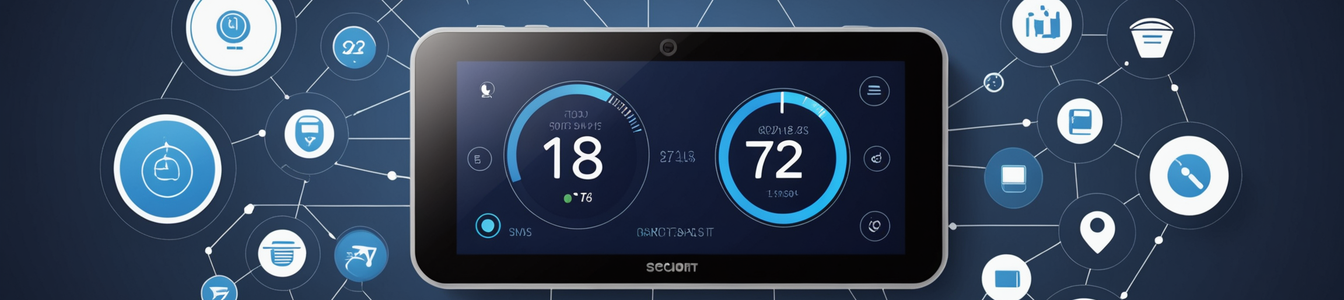
The smart home revolution is no longer creeping in; it's being aggressively sold, discounted, and democratized at a breakneck pace. This rapid expansion, fueled by major retail sales and strategic market pushes into untapped demographics, is creating a cybersecurity dilemma of scale. As devices proliferate faster than security awareness, the modern smart home is becoming a sprawling, often insecure, attack surface subsidized by market forces.
The Discount On-Ramp: Flooding the Market with Sensors
The catalyst for this surge is visibly economic. Industry-wide sales events, like the recently highlighted Amazon Big Spring Sale, offer deep discounts—up to 55%—on core ecosystem devices such as Echo smart speakers, Fire TV Sticks, and Kindles. These are not mere gadgets; they are the gateways and hubs that anchor a user's first foray into home automation. Similarly, specialized smart home brands like Eve are running concurrent 'Big Spring' promotions, discounting their range of Matter-compatible plugs, outlets, and sensors by up to 25%. The message is clear: entry into the smart home has never been cheaper.
This discount-driven adoption is particularly concerning with the promotion of niche, single-function sensors. Articles touting '5 Clever Ways to Use Vibration Sensors' exemplify the push to expand device count per household. These sensors, marketed for uses from detecting washing machine cycles to monitoring package deliveries, represent the long tail of IoT—often manufactured by lesser-known brands, with minimal security oversight, yet now being eagerly added to networks because of affordability and novelty.
Demographic Expansion: Automation for 'Every Age, Every Space'
Parallel to the price cuts is a deliberate strategy to widen the buyer pool. Companies like Innexia are explicitly marketing 'future-ready smart home automation for every age, every space.' This rhetoric targets demographics traditionally slower to adopt complex technology, such as older adults or families without a dedicated tech enthusiast. The value proposition is convenience and safety (e.g., automated lighting, leak detection), but the security implications are an afterthought. These new user segments are likely less familiar with fundamental security practices like network segmentation, strong password hygiene, or regular firmware updates, making their newly automated homes low-hanging fruit for attackers.
The Matter Protocol: A Double-Edged Sword
The rise of the Matter standard, highlighted by Eve's promotion, adds another layer. While Matter promises improved interoperability and, theoretically, more robust security by design, its rollout amidst a sales frenzy presents risks. Consumers may purchase 'Matter-ready' devices assuming inherent security, creating a false sense of confidence. Furthermore, the rush to market with certified devices could lead to implementations that meet the letter of the specification but not its security spirit, or to vulnerabilities in the companion apps and cloud services that remain outside Matter's scope.
The Cybersecurity Impact: A Softer, Larger Target
The convergence of these trends—aggressive sales, demographic expansion, and niche device proliferation—directly impacts the threat landscape in several ways:
- Exponential Growth of the Attack Surface: Every discounted sensor, plug, and hub is a potential entry point. A home with 30+ IoT devices presents a far more complex security challenge than one with just a smart speaker and bulb.
- The 'Lowest Common Denominator' Problem: The security of a network is often only as strong as its weakest device. Niche, low-cost vibration sensors or smart plugs may become the pivot point for compromising more critical systems on the same network.
- Botnet Fuel: Mass adoption of insecure devices provides ample feedstock for botnets like Mirai, which can be weaponized for large-scale DDoS attacks or as a foothold for more targeted intrusions.
- Data Aggregation Risks: These devices collect vast amounts of ambient data—vibration patterns, energy usage, occupancy. In aggregate, this data can paint an intimate picture of residents' lives, creating a rich target for espionage or profiling if exfiltrated.
- Physical Safety Implications: As automation extends to door locks, garage openers, and alarm systems, a digital compromise can have direct physical consequences, turning a convenience feature into a critical vulnerability.
A Call for Action Beyond Consumer Education
While user education on changing default passwords and updating firmware remains necessary, it is insufficient against this scale of deployment. The cybersecurity community, regulators, and the industry itself must pivot. Security cannot be an optional premium feature; it must be the non-negotiable baseline, enforced through robust certification that goes beyond connectivity standards. Retailers and sales platforms should consider curating devices based on minimum security standards. Furthermore, network-level security solutions that can segment and monitor IoT traffic are transitioning from enterprise luxuries to consumer necessities.
The subsidized smart home is here. The market forces driving its adoption are powerful and consumer-friendly on the surface. However, without an equally forceful and coordinated push for embedded security, we are constructing a vast, interconnected infrastructure of vulnerability—one discounted device at a time. The time to harden this ecosystem is now, before the scale of the problem outstrips our collective capacity to respond.
Comentarios 0
Comentando como:
¡Únete a la conversación!
Sé el primero en compartir tu opinión sobre este artículo.
¡Inicia la conversación!
Sé el primero en comentar este artículo.