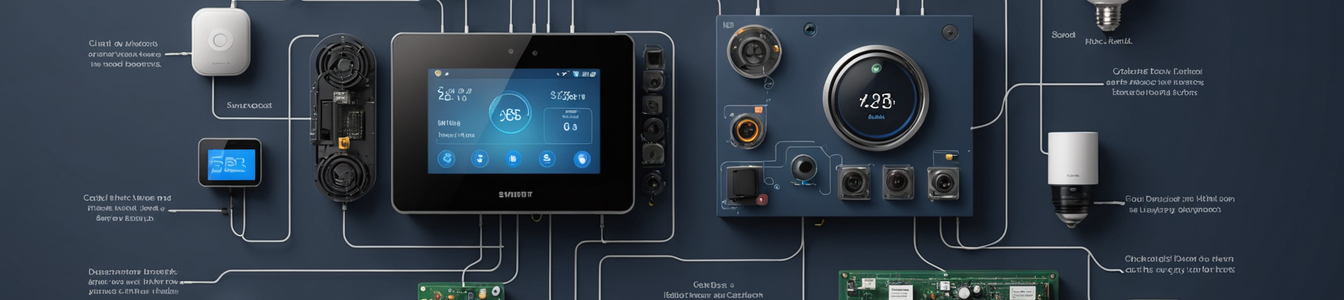
The promise of the smart home has always been one of seamless convenience: devices that connect effortlessly, work harmoniously, and make our lives simpler. However, a deep investigation into the current market reveals a troubling paradox. A relentless drive for consumer-friendly marketing, emphasizing 'easy installation' and 'works right out of the box,' is masking a reality of complex, hub-dependent technical architectures. This disconnect is not merely an inconvenience; it is actively engineering critical security gaps in millions of homes worldwide, creating a systemic vulnerability in the consumer Internet of Things (IoT) landscape.
The Marketing Mirage vs. Technical Reality
Leading manufacturers are caught in a competitive bind. To appeal to the average consumer, they must downplay technical complexity. IKEA's foray into smart home sensors is a prime example. Marketed with the ethos to 'connect and just work,' these devices have encountered user frustration due to specific and often confusing hub requirements. The consumer expectation, set by the marketing, is universal compatibility and simplicity. The technical reality involves navigating specific wireless protocols (like Zigbee or Z-Wave), ensuring hub firmware compatibility, and understanding network segmentation—concepts far removed from a 'just work' promise. When users encounter these hurdles, the path of least resistance is often to bypass advanced configuration, leave default passwords in place, or connect devices to the primary Wi-Fi network without segregation, directly undermining security posture.
Expanding the Attack Surface Through Feature Bloat
The problem extends beyond simple sensors. Companies like Shelly are innovating with multi-function devices, such as smart gadgets that combine ambient features like fragrance diffusion with practical functions like mosquito repellent. While innovative, this 'feature convergence' expands the device's attack surface. Each added function—whether it's a small motor, an additional sensor, or connectivity for remote control—introduces new code, potential interfaces, and dependencies. A vulnerability in the less-critical fragrance schedule feature could become a pivot point to access the core control functions of the device. Furthermore, these multi-purpose devices are often marketed on their novelty and ease of use, not on their security architecture, leading consumers to deploy them without considering the compounded risk.
The Hub: Single Point of Failure and Confusion
At the heart of this issue lies the smart home hub or controller. Ecosystems from Siemens' Connected Home platform, which promotes sophisticated home energy management, to other proprietary systems, all rely on a central brain. Siemens' system, for instance, aims to change home energy savings through an integrated ecosystem. However, this integration creates a hidden web of dependencies. The security of the entire energy management system—and potentially the home network it's connected to—is contingent upon the correct and secure configuration of this hub. If the hub is misconfigured, poorly updated, or itself vulnerable, it can expose every connected device, from light bulbs to thermostats. The marketing for these systems highlights the end-benefit (energy savings, comfort), not the critical, ongoing security maintenance required by the hub.
The Cybersecurity Impact: A Perfect Storm
For cybersecurity professionals, this scenario creates a perfect storm:
- Widespread Misconfiguration: The complexity gap ensures that a significant percentage of deployed devices are not set up securely. Default credentials, open ports, and devices placed on untrusted network segments are commonplace.
- Fragmented Patching: Consumers are rarely aware of the need to update hub firmware or device software. Unlike a smartphone that prompts for updates, many IoT devices have opaque or manual update processes, leaving known vulnerabilities unpatched for years.
- Botnet Recruitment: These poorly secured devices are prime candidates for recruitment into botnets like Mirai, which can be used for large-scale DDoS attacks or as footholds for more targeted intrusions.
- Data Privacy Erosion: Sensors collecting data on occupancy, energy use, and daily routines flow through these potentially insecure hubs and connections, creating significant privacy risks.
- Physical Safety Implications: As systems like energy management or environmental controls become smart, a digital compromise could have real-world physical consequences, such as electrical faults or disabling security lighting.
Bridging the Gap: Recommendations
Addressing this 'Smart Home Setup Trap' requires action from both industry and consumers:
- For Manufacturers: Transparency is key. Marketing should clearly state hub requirements and compatibility. Setup wizards should enforce security best practices, like mandatory password changes and network configuration choices. Implement secure-by-design principles and automated, seamless update mechanisms. Adopt clear labeling standards for security capabilities.
- For Cybersecurity Teams: Develop consumer education materials that translate technical risks into practical advice. Advocate for stronger industry regulations and security baselines for consumer IoT. Include common smart home hubs and protocols in vulnerability assessment and penetration testing scopes for corporate networks, especially with the rise of remote work.
- For Consumers: Research hub and compatibility requirements before purchase. Change all default passwords. Use a separate Wi-Fi network (guest network) for IoT devices. Regularly check for and apply firmware updates for hubs and devices. Consider the necessity of each device's connectivity—does a mosquito repellent really need to be online?
The race for market share in the smart home industry must not come at the cost of consumer security. The 'easy installation' narrative needs to evolve into an 'easy and secure installation' standard. Until manufacturers align their marketing with their technical responsibilities, and until consumers are empowered with clearer information, the smart home will remain a house of cards, vulnerable to the next gust of cyber threats.
Comentarios 0
Comentando como:
¡Únete a la conversación!
Sé el primero en compartir tu opinión sobre este artículo.
¡Inicia la conversación!
Sé el primero en comentar este artículo.