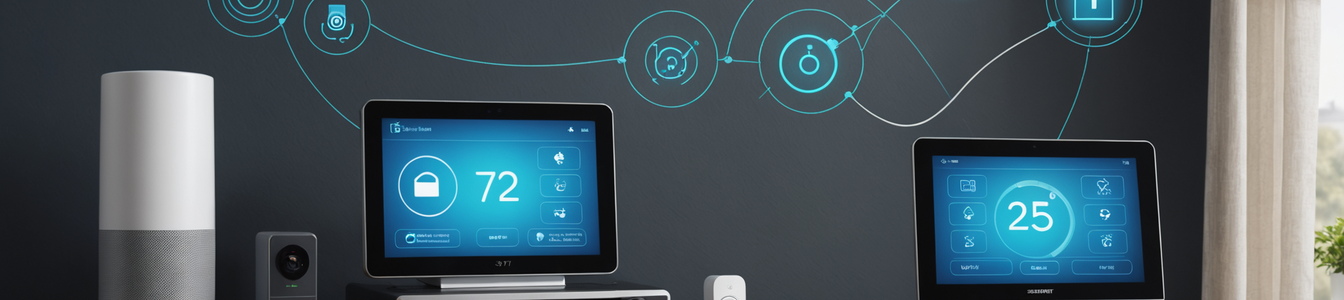
The smart home revolution has reached an inflection point where market forces are actively undermining security fundamentals. What began as a niche interest for tech enthusiasts has transformed into a mainstream consumer movement, driven by aggressive pricing strategies and simplified implementation guides. This democratization of smart technology, while increasing accessibility, has created a cybersecurity blind spot of staggering proportions.
The Discount-Driven Adoption Surge
Seasonal sales and permanent price reductions have made entry-level smart devices nearly ubiquitous. Major retailers and manufacturers regularly offer significant discounts on popular products like the Google Nest Thermostat, particularly during peak usage seasons. While these promotions boost adoption rates, they also attract a demographic less concerned with technical specifications and more focused on immediate convenience and cost savings. Security features, update policies, and data handling practices rarely factor into these purchasing decisions. The result is millions of devices entering homes primarily as appliances rather than as networked computing devices requiring maintenance and vigilance.
The DIY Guide Phenomenon
Parallel to the pricing trend, mainstream technology publications have embraced the role of educator for the newly curious consumer. Comprehensive guides promise to demystify smart home technology, offering "straightforward explanations" and step-by-step implementation advice. While valuable for adoption, these guides typically emphasize functionality and ease of setup over security considerations. Critical steps like changing default credentials, segmenting IoT networks, enabling automatic updates, and reviewing privacy settings are often mentioned as afterthoughts rather than foundational requirements. This creates a generation of users who understand what their devices can do but lack awareness of what those devices might be doing without their knowledge.
The FBI's Warning: From Convenience to Compromise
Law enforcement agencies have taken note of the emerging threat landscape. The FBI has issued specific warnings about compromised streaming devices being weaponized by threat actors. These inexpensive, internet-connected gadgets are particularly vulnerable due to lax manufacturing security standards, infrequent firmware updates from obscure brands, and user neglect. Once compromised, these devices can serve as persistent surveillance tools, capturing audio and video from living spaces. More alarmingly, they are frequently enlisted into botnets for conducting Distributed Denial-of-Service (DDoS) attacks, credential stuffing campaigns, and cryptocurrency mining operations. The very features that make them attractive—constant connectivity and significant processing power for media decoding—make them ideal targets for malicious co-option.
The Convergence: A Perfect Storm for Insecurity
The intersection of these three trends creates a self-reinforcing cycle of vulnerability. Discounts drive volume, volume creates demand for guides, guides facilitate deployment without security, and insecure deployments become attack vectors. The ecosystem becomes a target-rich environment where a single exploit can scale across millions of identical, poorly configured devices. The problem is systemic: consumers are not buying individual devices but stitching together ecosystems from different manufacturers with varying security postures, managed through central hubs or voice assistants that become single points of failure.
Implications for Cybersecurity Professionals
For the cybersecurity community, this presents a multifaceted challenge that extends beyond traditional enterprise boundaries. The bring-your-own-device (BYOD) challenge has evolved into bring-your-own-ecosystem (BYOE), with employees connecting vulnerable smart home devices to home networks that may have pathways to corporate resources, especially in remote work scenarios. Security teams must now consider threats originating from employees' coffee makers, thermostats, and TV sticks as potential entry points for corporate network intrusion.
Furthermore, the massive scale of these consumer IoT botnets represents a persistent threat to internet infrastructure. The Mirai botnet and its successors demonstrated the destructive potential of compromised IoT devices. The current market conditions are cultivating the next generation of such botnets on an even larger scale.
Moving Forward: Mitigation and Awareness
Addressing this crisis requires coordinated action across multiple fronts:
- Industry Responsibility: Manufacturers must adopt security-by-design principles, implement automatic security updates, and abandon practices like universal default passwords. Retailers could introduce basic security ratings for IoT products.
- Informed Consumerism: Security advocates and publications need to produce competing guides that place equal emphasis on security and functionality. The concept of "digital hygiene" for IoT devices must become as commonplace as changing smoke detector batteries.
- Regulatory Frameworks: Governments are beginning to respond with IoT security labeling programs and baseline requirements, such as the UK's Product Security and Telecommunications Infrastructure (PSTI) regime and the U.S. Cyber Trust Mark initiative. These efforts need acceleration and global harmonization.
- Professional Preparedness: Cybersecurity teams should update risk assessments to include employee IoT ecosystems, promote the use of network segmentation (guesting out IoT devices), and advocate for endpoint security solutions that extend to home offices.
The convenience of the smart home is undeniable, but the current path leads to a fragile digital environment. By recognizing the market forces that prioritize adoption over security, the cybersecurity community can lead the development of solutions that deliver both convenience and resilience. The alternative is an increasingly vulnerable connected world, where the devices designed to simplify our lives become the tools that compromise our privacy and security.
Comentarios 0
Comentando como:
¡Únete a la conversación!
Sé el primero en compartir tu opinión sobre este artículo.
¡Inicia la conversación!
Sé el primero en comentar este artículo.