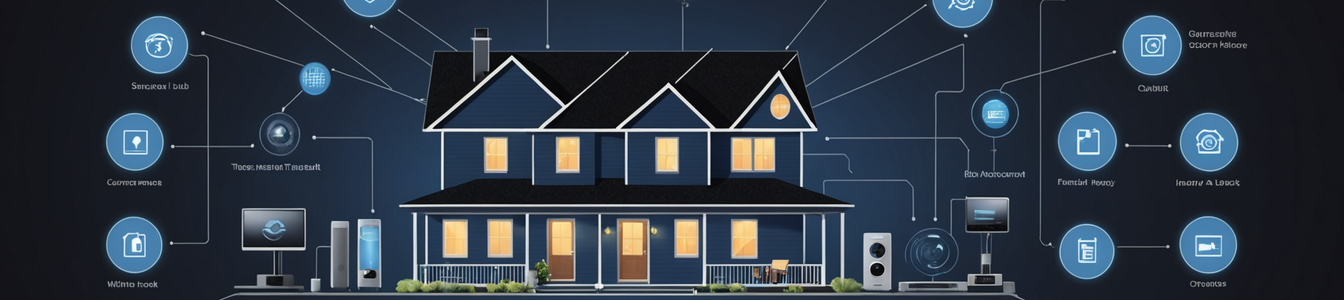
The smart home landscape is entering what industry observers are calling 'Hub Wars 2.0'—a renewed battle for control in an increasingly fragmented ecosystem. This conflict pits proprietary commercial systems against open-source DIY solutions, each presenting distinct cybersecurity implications that professionals must understand to adequately protect connected home environments.
The Commercial Front: Enhanced Hubs and Protocol Promises
On the commercial side, manufacturers continue to refine their offerings. The latest iteration of the Homey Pro hub exemplifies this trend, boasting improved processing power and smarter automation capabilities specifically optimized for Matter-compatible homes—all without a price increase. This move signals a strategic push to position proprietary hubs as the secure, user-friendly gateways to the smart home.
The Matter protocol, developed by the Connectivity Standards Alliance (CSA), is central to this pitch. It promises to reduce fragmentation by enabling cross-brand interoperability. From a security perspective, Matter incorporates built-in encryption and standardized commissioning, theoretically reducing the attack vectors created by proprietary, siloed protocols. However, security professionals note that adopting Matter shifts, but does not eliminate, the trust model. The security of the entire ecosystem now partially depends on the correct implementation of the Matter standard by each device manufacturer and hub vendor, creating a complex chain of trust.
The DIY Countermovement: Flexibility with Responsibility
Simultaneously, the DIY segment is gaining sophistication. Platforms like the Raspberry Pi are increasingly recommended as superior starter hubs compared to generic mini PCs for enthusiasts building custom smart home systems. The argument centers on the Pi's balance of sufficient computing power, low energy consumption, direct hardware access, and a massive community support ecosystem for software like Home Assistant, OpenHAB, or Node-RED.
This approach offers unparalleled flexibility and data control, potentially keeping sensitive information local and away from corporate clouds. Yet, it introduces a starkly different risk profile. The security responsibility falls almost entirely on the end-user. This includes securing the underlying operating system (often a Linux distribution), maintaining software updates for the hub platform and all integrations, managing network firewall rules, and implementing secure remote access solutions. A misconfigured DIY hub can become a pivot point into the home network, exposing all connected IoT devices—from cameras to door locks—to compromise.
The Automation Arms Race and Expanding Attack Surface
The driving force behind both commercial and DIY hub evolution is the demand for genuine intelligence—moving beyond simple remote control to context-aware automation. Users seek systems that anticipate needs, like adjusting lighting and temperature based on occupancy or time of day, or creating complex scenes triggered by multiple conditions.
These advanced automations, while convenient, exponentially increase the smart home's attack surface. Each sensor input, conditional logic rule, and actuator output represents a potential data leak or manipulation point. An attacker who gains control of the hub could not only spy on occupancy patterns but also trigger malicious actions—disabling security systems, manipulating smart locks, or creating safety hazards with appliances. The hub becomes the single point of failure for both functionality and security.
Security Implications of the Fragmented Landscape
This bifurcation between polished commercial ecosystems and flexible DIY platforms creates a multifaceted challenge for cybersecurity.
For commercial systems, the primary concerns include:
- Vendor Lock-in and Update Longevity: Will the hub manufacturer provide security updates for the device's full lifespan?
- Cloud Dependency: Many hubs rely on cloud services for advanced features and remote access, creating external data repositories and potential outage points.
- Transparency Gaps: Proprietary systems often lack visibility into their security architecture, making independent assessment difficult.
For DIY systems, the risks pivot to:
- Skill-Based Security: The security posture is directly tied to the technical competency of the user.
- Supply Chain Integrity: Users must vet countless third-party integrations, scripts, and community add-ons, which may contain vulnerabilities or malicious code.
- Consistency of Maintenance: Without automated enterprise-grade patch management, manual updates are frequently neglected.
Recommendations for a More Secure Smart Home Future
Navigating Hub Wars 2.0 requires a pragmatic approach from both consumers and the security community.
- Security by Design for Vendors: Commercial hub makers must embrace transparency, publish security advisories, commit to long-term support cycles, and undergo independent security audits. Implementing local processing options for sensitive automations can reduce cloud risk.
- Hardened Platforms for DIY: The open-source community should develop more 'secure-by-default' distributions for platforms like Raspberry Pi, with firewalls pre-configured, automatic updates enabled, and clear security guidelines.
- User Education as a Priority: Regardless of the path chosen, user education is non-negotiable. This includes teaching strong credential hygiene, network segmentation (placing IoT devices on a separate VLAN), and the principles of least privilege for automations.
- Independent Security Benchmarking: The cybersecurity industry should develop standardized methodologies for assessing the security of both commercial and DIY smart home hubs, providing consumers with clear, comparative data.
The battle for the smart home hub is ultimately a battle for trust and control. As Hub Wars 2.0 unfolds, the winners will be those solutions that can demonstrably balance powerful automation with resilient, transparent, and user-accessible security. For cybersecurity professionals, understanding this evolving terrain is essential to advising clients and mitigating the growing risks within the world's connected homes.
Comentarios 0
Comentando como:
¡Únete a la conversación!
Sé el primero en compartir tu opinión sobre este artículo.
¡Inicia la conversación!
Sé el primero en comentar este artículo.