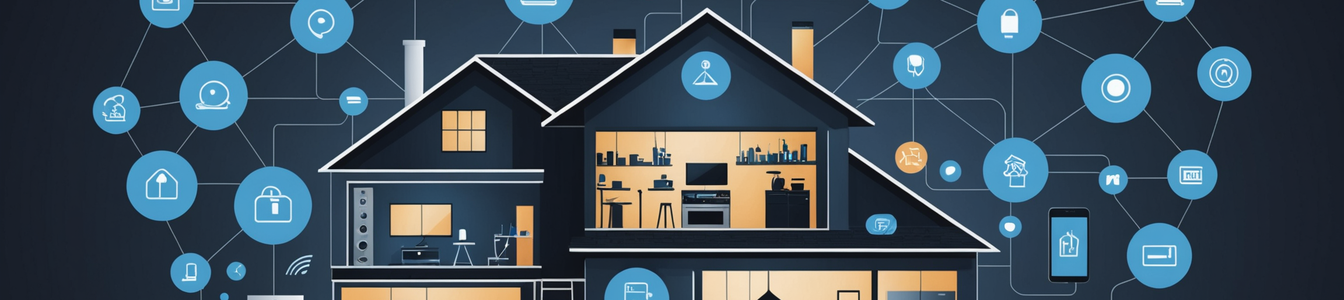
The concept of 'home' as a private sanctuary is undergoing a radical, silent transformation. Driven by the explosive growth of Internet of Things (IoT) devices—from smart speakers and TVs to connected refrigerators, thermostats, and light bulbs—the modern dwelling is evolving into what cybersecurity experts are calling the 'Gossiping House.' This term describes a pervasive, always-on data collection environment where dozens of sensors and appliances continuously monitor, analyze, and transmit information about our most intimate spaces, often with opaque data practices that challenge fundamental privacy norms.
The Architecture of a Gossiping House
A typical Gossiping House operates on multiple layers of data extraction. At the device level, sensors capture a vast array of data points: audio snippets from voice assistants, video feeds from doorbells and cameras, energy consumption patterns from smart plugs, and even food inventory from smart fridges. This raw data is often processed locally only to a minimal extent before being sent to manufacturer cloud servers for 'enhanced services' like voice recognition, predictive maintenance, or personalized advertising. The network layer becomes a constant stream of encrypted (and sometimes unencrypted) traffic to external domains, creating a detailed behavioral log of the home's occupants. The lack of standardized security and privacy frameworks across manufacturers exacerbates the risk, turning the home network into a patchwork of potential vulnerabilities.
From Convenience to Corporate and State Surveillance
The primary risk of the Gossiping House extends far beyond mere advertising. The aggregated data profile is a high-value intelligence asset. For corporations, it enables hyper-granular consumer profiling, influencing everything from insurance premiums based on lifestyle habits to dynamic pricing. For state actors or sophisticated cybercriminals, a compromised smart home can serve as a persistent listening post or a beachhead into more sensitive corporate networks via employees' remote work setups. The recent discussions around AI companies developing new, intimate hardware form factors—like screenless, ambient computing devices—threaten to deepen this integration, making data collection even more seamless and less noticeable than a smartphone, potentially capturing ambient conversations and context without a clear user trigger.
Technical Mitigations: Taking Back Network Control
Cybersecurity professionals advocate for a proactive, architectural approach to taming the Gossiping House. The most effective technical strategy is network segmentation. By implementing Virtual Local Area Networks (VLANs) on a capable home router, users can isolate IoT devices onto a separate network segment. This containment strategy prevents a compromised smart light bulb from serving as a pivot point to attack a personal laptop or smartphone containing sensitive work documents. It also allows for stricter firewall rules, limiting IoT devices' ability to communicate with each other and the wider internet only to essential ports and services. This not only enhances security but can also resolve common 'slow smart home' issues caused by congested networks or chatty devices, as noted in recent technical advisories.
Beyond Technology: The Need for Policy and Awareness
While VLANs and strong passwords are crucial first steps, they are defensive maneuvers in a game where the rules are set by device manufacturers. The long-term solution requires a shift in industry practices and user awareness. Consumers must be empowered to understand and control what data their devices collect, through intuitive privacy dashboards and clear, granular consent mechanisms. Regulatory frameworks need to evolve to treat domestic IoT data with the same sensitivity as other personal information, enforcing principles of data minimization and purpose limitation. The cybersecurity community plays a vital role in auditing device behaviors, disclosing vulnerabilities, and advocating for privacy-by-design standards.
Conclusion: Securing the Domestic Perimeter
The Gossiping House phenomenon represents a fundamental shift in the attack surface of everyday life. For cybersecurity experts, the home network is no longer a simple perimeter to defend; it is a complex, data-hungry ecosystem that requires continuous monitoring and management. The path forward involves a combination of consumer education, robust technical controls like network segmentation, and sustained pressure on manufacturers to prioritize user privacy and security. Failing to address these challenges means accepting a future where our homes, our most private spaces, are in a constant state of digital chatter, with our personal lives as the primary commodity.
Comentarios 0
Comentando como:
¡Únete a la conversación!
Sé el primero en compartir tu opinión sobre este artículo.
¡Inicia la conversación!
Sé el primero en comentar este artículo.