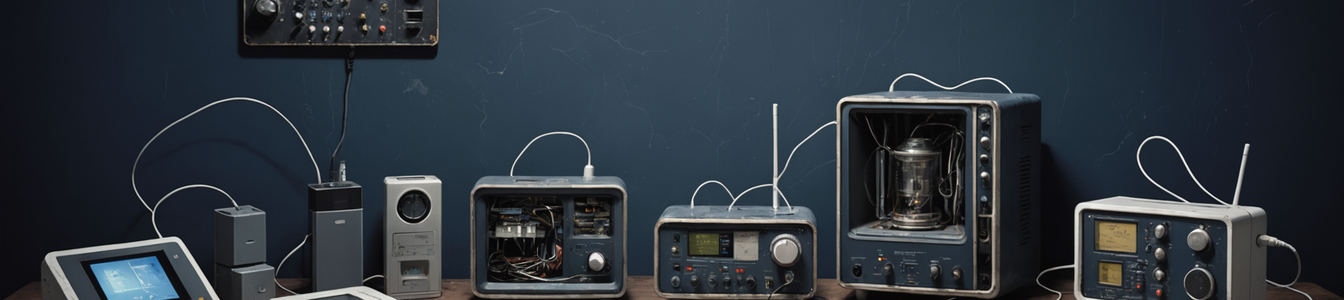
The promise of the smart home was one of seamless convenience and enduring automation. Yet, for a growing number of consumers, the reality is a landscape of digital fragility. As Wi-Fi-connected smart devices—from light bulbs to plugs—reach middle age, they are not gracefully retiring but becoming liabilities: unsupported, unpatched, and often unusable. This widespread obsolescence is driving user frustration, inventive DIY workarounds, and pushing the industry toward new standards. For cybersecurity observers, this trifecta represents a critical case study in consumer IoT security, with implications that extend far beyond the living room.
The Planned Obsolescence Problem and Its Security Fallout
The core issue is the surprisingly short operational lifespan of many consumer IoT devices. Unlike traditional appliances, a smart plug or bulb is not considered defunct when its hardware fails, but when its cloud service is discontinued, its app is no longer updated, or it becomes incompatible with newer smartphone operating systems. Manufacturers often cease security updates for these devices years before consumers expect to replace them, leaving them connected to home networks as vulnerable endpoints. These devices can become entry points for attackers, part of botnets for Distributed Denial-of-Service (DDoS) attacks, or privacy risks if their firmware is exploited. The problem is exacerbated by the sheer number of these devices entering this "zombie" state annually, creating a massive, distributed attack surface that is difficult to remediate.
The DIY Dashboard Movement: Regaining Control, But at What Cost?
In response to the closed, often short-lived nature of commercial smart home ecosystems, a pragmatic trend has emerged: repurposing old tablets as dedicated smart home dashboards. Users are installing generic dashboard software or custom interfaces on aging Android or iOS tablets, turning them into centralized control panels. This approach offers several advantages over purpose-built smart displays: superior flexibility in layout and control, no forced advertisements, better privacy by reducing dependence on vendor clouds, and the sustainable reuse of hardware.
However, from a security perspective, this DIY solution introduces its own complexities. An old tablet may no longer receive operating system security patches, making the dashboard itself a potential vulnerability. The security of the dashboard software varies widely, and integrating it with various IoT devices often requires exposing API keys or using unofficial integrations that could be poorly secured. While this movement represents a consumer push for longevity and control, it shifts the security burden from the vendor to the user, requiring a level of vigilance that the average consumer may not possess.
Aliro: An Industry Attempt at Standardization and Security
Recognizing the chaos and insecurity of the fragmented smart home market, particularly in sensitive areas like access control, industry consortia are pushing for new standards. The most prominent recent example is Aliro, a new standard for smart locks and access credentials, developed by the Connectivity Standards Alliance (CSA) and backed by Apple, Google, Amazon, and major lock manufacturers.
Aliro's primary goal is to simplify secure connectivity. It aims to allow users to unlock doors using their smartphone's existing secure element (like an iPhone's Secure Enclave or an Android phone's Titan M2 chip) as a virtual credential, seamlessly and without needing a specific brand's app. For cybersecurity, the potential benefits are significant: a standardized, reviewed security protocol could replace a plethora of proprietary and potentially weaker implementations. It leverages existing, robust hardware security modules in phones and could reduce the attack surface of smart locks themselves.
Yet, professionals should scrutinize this development carefully. While standardization can improve security, it also creates a single point of technological dependency. The security of the Aliro ecosystem will hinge on the implementation by each lock manufacturer and the ongoing governance of the CSA. Furthermore, it does nothing to address the broader obsolescence issue for non-lock devices; it may even accelerate the abandonment of older, non-compliant hardware.
Cybersecurity Implications and the Road Ahead
The fragility of the smart home ecosystem presents clear and present dangers. For enterprise cybersecurity teams, the proliferation of these vulnerable devices is no longer a purely residential concern. With the rise of hybrid work, unpatched smart devices on employee home networks can become pivot points into corporate assets if VPNs or other remote access solutions are compromised.
The situation underscores several key lessons for the industry and security community:
- The Sustainability-Security Link: Device longevity is a security issue. Policies or regulations encouraging longer software support lifecycles for IoT devices are critical for reducing cyber risk.
- The Rise of the Prosumer: The DIY dashboard trend shows users are willing to take on complexity for control and durability. Security tools and guidance tailored to this technically-minded segment are needed.
- Standardization as a Double-Edged Sword: Standards like Aliro must be evaluated not just for convenience, but for their open auditability, update mechanisms, and resistance to creating new forms of vendor lock-in that could hinder future security improvements.
Ultimately, the search for a durable, simple, and secure smart home is pushing against the current economic model of rapid hardware turnover. Until security and longevity become core selling points—supported by tangible standards and extended vendor commitments—the smart home will remain a fragile construct, patched together by frustrated users and slowly addressed by an industry playing catch-up with its own creations. Cybersecurity professionals must monitor this space closely, as the vulnerabilities being seeded in homes today will inevitably ripple into broader networks tomorrow.
Comentarios 0
Comentando como:
¡Únete a la conversación!
Sé el primero en compartir tu opinión sobre este artículo.
¡Inicia la conversación!
Sé el primero en comentar este artículo.