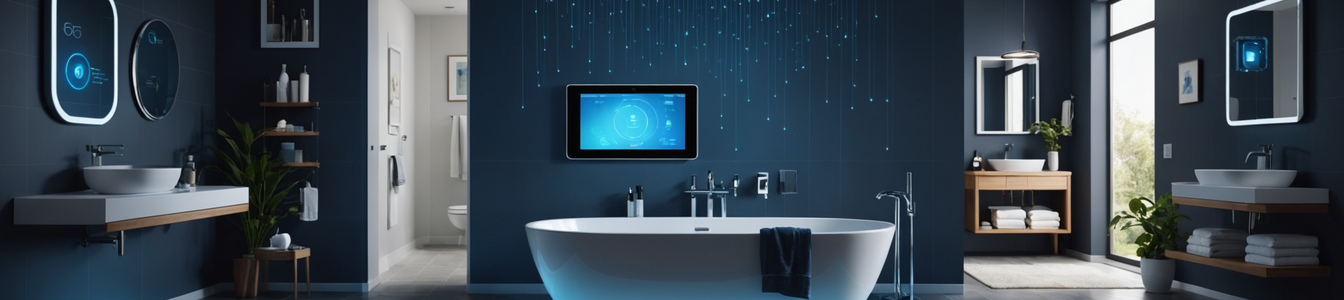
The smart home revolution has reached an alarming crossroads where convenience increasingly conflicts with personal privacy. Recent technological advancements demonstrate how Internet of Things (IoT) devices are penetrating the most intimate spaces of our lives, collecting sensitive data that was previously inaccessible to digital systems.
In bathrooms, new sensor technologies can analyze urine composition to provide health recommendations, effectively turning personal hygiene routines into data collection opportunities. While marketed as health monitoring tools, these systems raise critical questions about data ownership, storage security, and potential misuse. The absence of robust cybersecurity protocols in many of these devices creates vulnerabilities that could expose highly personal health information to unauthorized parties.
Simultaneously, environmental monitoring devices like smart dehumidifiers track humidity levels, temperature, and even clothing drying patterns. These systems collect behavioral data that can reveal daily routines, occupancy patterns, and lifestyle choices. When combined with other smart home data streams, this information creates comprehensive digital profiles of inhabitants' private lives.
The proliferation of fully integrated smart homes, as evidenced by recent high-value property awards, demonstrates how multiple IoT systems can interconnect to monitor virtually every aspect of daily living. From sleep patterns to eating habits, exercise routines to entertainment preferences, these interconnected ecosystems generate unprecedented amounts of personal data.
Cybersecurity professionals face significant challenges in addressing these privacy concerns. Many consumer IoT devices lack enterprise-grade security features, using default passwords, unencrypted data transmission, and vulnerable communication protocols. The distributed nature of these systems creates multiple attack vectors that malicious actors could exploit.
Data aggregation presents another critical concern. Individual data points from separate devices might seem harmless, but when combined, they can reveal sensitive patterns about health conditions, daily routines, and personal behaviors. This aggregated data becomes valuable to advertisers, insurers, and potentially malicious entities.
The regulatory landscape struggles to keep pace with these technological developments. Current data protection frameworks often fail to address the unique challenges posed by continuous, ambient data collection in private homes. Consumers frequently lack awareness of how much data their smart devices collect and who has access to this information.
Security researchers have identified numerous vulnerabilities in popular smart home platforms, including insecure API endpoints, weak authentication mechanisms, and inadequate data encryption. Many devices continue to function as black boxes, with consumers having limited visibility into their data processing and storage practices.
The convergence of health monitoring, environmental sensing, and home automation creates a perfect storm for privacy invasion. As these technologies become more sophisticated and interconnected, the potential for abuse grows exponentially. Cybersecurity professionals must develop new frameworks for smart home security that prioritize privacy by design and ensure transparent data handling practices.
Manufacturers bear responsibility for implementing stronger security measures, including end-to-end encryption, regular security updates, and clear privacy policies. Consumers need education about smart device risks and tools to monitor and control their digital footprints.
The future of smart home privacy depends on collaborative efforts between security researchers, manufacturers, regulators, and consumers. Without immediate action, we risk normalizing pervasive surveillance in our most personal spaces, fundamentally altering the concept of privacy in the digital age.
As the industry moves forward, security must become a foundational element rather than an afterthought. The convenience of connected homes shouldn't come at the cost of compromising our most intimate personal boundaries and sensitive information.
Comentarios 0
Comentando como:
¡Únete a la conversación!
Sé el primero en compartir tu opinión sobre este artículo.
¡Inicia la conversación!
Sé el primero en comentar este artículo.