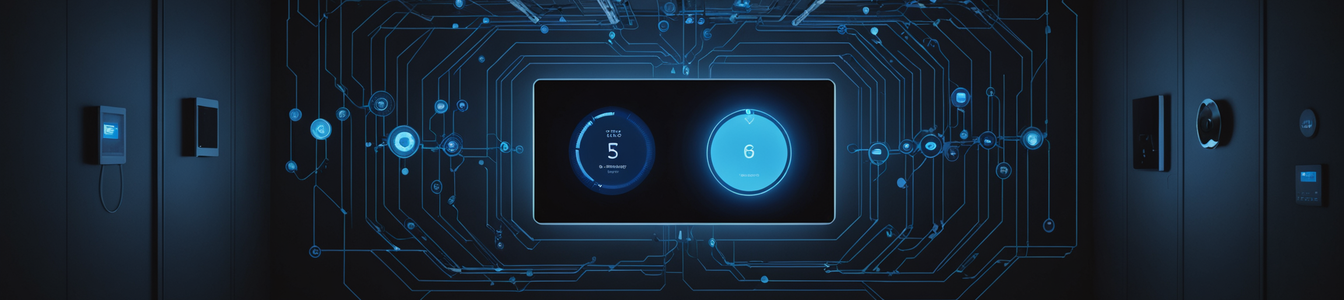
The modern hotel room is no longer just a bed and a minibar. It is evolving into a dense node on a hyper-connected, AI-managed campus network—a transformation that is redefining both guest experience and the cybersecurity perimeter in the hospitality industry. Driven by major infrastructure players like Huawei, this shift towards intelligent, fully integrated hotel environments is creating a new and complex attack surface that merges information technology (IT), operational technology (OT), and the intimate physical space of the guest.
The Architecture of the Intelligent Hotel Campus
The vision, as demonstrated by Huawei's recent launches, is one of seamless convergence. The Xinghe AI SafeStay Hotel Campus Network Solution represents a holistic approach. It's not merely about providing Wi-Fi; it's about building a unified network fabric that carries traffic for everything from in-room entertainment, smart lighting, and climate control to back-of-house energy management, staff communications, and payment processing. This is enabled by underlying innovations like the iFTTO (Intelligent Fiber-To-The-Office) solution, which uses simplified, all-optical cabling to deliver massive bandwidth and low latency to every room and office, serving as the central nervous system for this digital ecosystem.
AI is the brain of this operation. These solutions incorporate AI capabilities for network optimization, predictive maintenance of building systems, and personalized guest services. However, from a security standpoint, this AI also manages access, analyzes behavior patterns, and controls physical devices. The network edge has moved from the hotel lobby directly into the guest room, with each IoT device—a smart lock, a voice-controlled assistant, a connected TV—becoming a potential entry point.
The Emerging Cyber Battlefield: Unique Risks in Hospitality
This convergence creates a threat landscape with distinct characteristics that should alarm security professionals:
- The Transient Tenant Problem: Hotel networks cater to a constantly rotating user base with varying levels of technical sophistication and malicious intent. A compromised guest device can serve as a beachhead for lateral movement into the core hotel network. The promise of 'one-click' onboarding and high-speed access must be balanced against robust network segmentation and zero-trust principles, which are often at odds with the hospitality ethos of open convenience.
- Physical-Digital Convergence: The attack surface is no longer virtual. A breach can now have immediate physical consequences. Threat actors could potentially manipulate room locks, disable surveillance cameras in specific areas, tamper with climate systems to cause damage, or access key control panels. The OT systems that manage these physical functions, traditionally isolated, are now on the same converged network as guest email and streaming video.
- The Supply Chain Monoculture Risk: Large-scale deployments of integrated solutions from a single vendor, like the campus-wide networks being promoted, create a form of supply chain monoculture. A vulnerability in the core switching hardware, the network management software, or the AI analytics platform could compromise the entire property's digital and physical security simultaneously. The complexity of these integrated systems can also obscure visibility, making it difficult for internal security teams to identify anomalous behavior.
- Data Privacy at Scale: These intelligent systems generate vast amounts of sensitive data: guest location patterns within the hotel, device usage, entertainment preferences, and even inferred data from environmental controls. The aggregation of this data on a central, AI-driven platform is a high-value target. A breach represents not just a privacy violation but a potential blueprint for highly targeted social engineering or physical crimes against guests.
The Industry Context: Accelerating Toward a Connected Future
This trend is not occurring in isolation. Events like Smart Tech Korea 2026, which brings together exhibitions on AI, IoT, smart cities, and connected industries, underscore the broader industrial push. The hospitality sector is actively importing technologies and integration models from smart manufacturing and urban infrastructure. The danger lies in adopting these connectivity paradigms without simultaneously importing the mature security frameworks that have (often painfully) evolved in those more traditional OT environments.
Strategic Imperatives for Cybersecurity Teams
Securing the smart hotel requires a paradigm shift. Defensive strategies must evolve to account for the blended IT/OT environment:
- Enforced Micro-Segmentation: Critical OT networks for building management, physical security, and payment systems must be logically isolated from guest-facing networks, with strictly controlled, monitored gateways for any necessary communication.
- Extended Asset Discovery and Management: Continuous inventory of all connected devices—from HVAC sensors to smart mirrors—is non-negotiable. Security teams must have a real-time map of their expanded attack surface.
- Vendor Security Posture Assessment: Procurement must include rigorous evaluation of the vendor's security development lifecycle, patch management commitment, and transparency regarding vulnerabilities in their integrated solutions.
- Privacy-by-Design: Data collection and storage policies must be transparent and minimal. AI analytics should be configured to use anonymized or aggregated data where possible, and guest data must be encrypted both in transit and at rest, with clear lifecycle management.
Conclusion
The race to build the hotel of the future is fundamentally a race to build a secure, intelligent network. While solutions like Huawei's Xinghe AI SafeStay aim to package connectivity, AI, and IoT into a seamless experience, they inherently assemble a new cyber battlefield where digital convenience meets physical vulnerability. For the cybersecurity community, the challenge is clear: to engage early in the design and procurement process, advocate for security not as an add-on but as a foundational principle, and develop specialized expertise to protect these complex, living ecosystems where the threat can now literally knock on the door—or unlock it.
Comentarios 0
Comentando como:
¡Únete a la conversación!
Sé el primero en compartir tu opinión sobre este artículo.
¡Inicia la conversación!
Sé el primero en comentar este artículo.