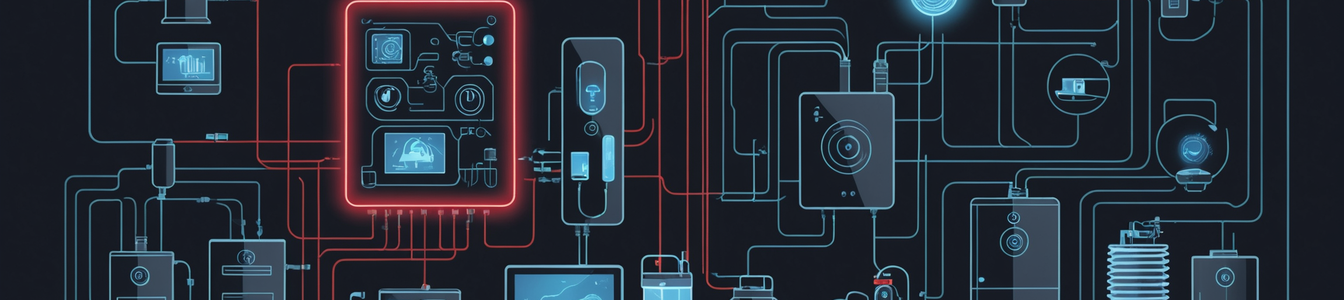
The modern connected home is undergoing a silent transformation, with smart kitchen and bathroom appliances becoming increasingly common. However, this convenience comes with significant cybersecurity risks that most consumers remain unaware of. Recent security assessments reveal that internet-connected appliances, from smart water purifiers to sensor-enabled water heaters, are creating new attack vectors that threaten both digital privacy and physical safety.
Smart water purification systems, which can be controlled via mobile applications, represent a particularly concerning vulnerability. These devices, designed to provide clean drinking water through advanced RO and UV filtration technologies, often connect to home Wi-Fi networks with minimal security protocols. Security researchers have discovered that many of these systems lack proper authentication mechanisms, allowing potential attackers to gain unauthorized access to control water filtration processes or monitor usage patterns.
The risks extend beyond water purification. Sensor-based water heaters that automatically provide hot water without physical interaction present similar security challenges. These devices, while offering convenience, typically communicate through wireless protocols that can be intercepted or manipulated. Attackers could potentially alter temperature settings, disable safety features, or use these devices as entry points to access broader home networks.
The broader ecosystem of connected home devices, including Bluetooth-enabled smartwatches and other IoT gadgets, compounds these risks. Each connected device represents a potential vulnerability that could be exploited by cybercriminals. The interconnected nature of modern smart homes means that compromising a single appliance could provide access to the entire home network, including personal computers, smartphones, and security systems.
Manufacturers of these smart appliances often prioritize user convenience and cost-effectiveness over security implementation. Many devices ship with default passwords that users rarely change, unencrypted communication channels, and outdated software that rarely receives security updates. This creates an environment where determined attackers can easily identify and exploit vulnerabilities.
The consequences of these security gaps extend beyond privacy concerns. Manipulation of water purification systems could potentially affect water quality, while tampering with water heaters could create scalding hazards or cause equipment damage. The physical safety implications elevate these cybersecurity issues beyond typical digital threats.
Industry experts recommend several security measures for consumers using smart kitchen and bathroom appliances. These include changing default passwords immediately after setup, ensuring devices receive regular firmware updates, segmenting IoT devices on separate network partitions, and disabling unnecessary remote access features. Manufacturers are being urged to adopt security-by-design principles and provide transparent information about device security capabilities.
Regulatory bodies and standards organizations are beginning to address these concerns, but the pace of technological adoption continues to outstrip security implementation. As smart appliances become increasingly integrated into daily life, the cybersecurity community must prioritize consumer education and industry accountability to prevent these convenient devices from becoming dangerous vulnerabilities in our homes.
The future of connected home security depends on collaborative efforts between manufacturers, cybersecurity professionals, regulators, and consumers. Only through comprehensive security approaches can we ensure that the benefits of smart home technology don't come at the cost of personal safety and privacy.
Comentarios 0
Comentando como:
¡Únete a la conversación!
Sé el primero en compartir tu opinión sobre este artículo.
¡Inicia la conversación!
Sé el primero en comentar este artículo.