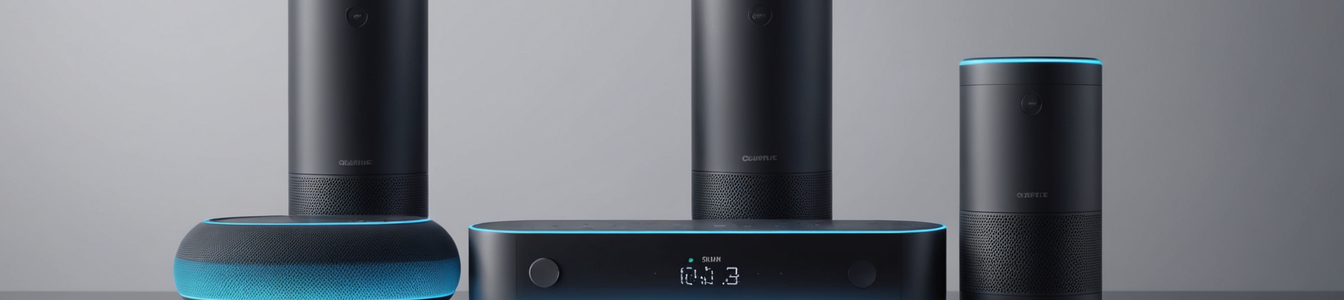
The living room of the modern smart home is becoming a battleground for ecosystem dominance, with voice-activated speakers and displays serving as the primary gatekeepers. Recent product launches from industry giants—including Amazon's pervasive Echo ecosystem, Samsung's newly announced Music Studio speakers, and Xiaomi's feature-rich 11-inch Smart Home Display—highlight a deliberate strategy: leveraging convenience to create vendor lock-in. For cybersecurity professionals, this trend away from open standards and toward proprietary 'walled gardens' introduces a complex array of new risks that extend far beyond the device itself, encompassing the entire connected home and the data it generates.
The Allure of Seamless Integration: A Trojan Horse for Lock-in
Devices like the Amazon Echo Dot have revolutionized home automation by acting as a central, voice-controlled hub. The core appeal lies in features that allow users to control a wide array of smart gadgets—lights, thermostats, plugs—with simple spoken commands. This seamless integration, however, is increasingly predicated on staying within a single brand's ecosystem. Samsung's introduction of the Music Studio speakers, for instance, signals a move to deepen its own ecosystem, potentially phasing out more neutral accessories like the Music Frame in favor of tightly coupled, proprietary hardware. Similarly, Xiaomi's new smart display, equipped with an 11-inch screen, camera for video calls, and robust voice command support, is designed to be the central nervous system for a Xiaomi-centric smart home, controlling other gadgets within its orbit.
This creates a significant security paradox. The very convenience that makes these systems attractive—the ability to manage everything from one interface—also consolidates risk. A single compromised hub can lead to a cascading failure or unauthorized access across dozens of connected devices.
Cybersecurity Implications of Concentrated Ecosystems
- Expanded and Concentrated Attack Surface: A smart speaker or display is no longer just an audio or video endpoint. It is a network gateway, a voice data processor, and a home automation controller rolled into one. Successful exploitation can provide an attacker with a privileged foothold inside the home network, from which they can pivot to other connected devices, many of which have historically poor security postures (like smart bulbs or plugs).
- Supply Chain and Single Point of Failure: Reliance on one vendor's ecosystem creates a monolithic supply chain for security updates, patches, and vulnerability management. If that vendor is slow to respond to threats (a common issue in the fast-moving IoT space) or discontinues support for a device, the entire integrated system becomes vulnerable. The cessation of support for older models is a looming crisis for IoT security.
- Data Privacy and the Centralized Data Lake: These hubs collect immense amounts of sensitive ambient data, including voice recordings, video feeds (from displays with cameras), and detailed logs of daily routines and device interactions. In a walled garden, all this data flows to and is processed by the ecosystem provider. This centralization creates a high-value target for attackers and raises profound questions about data sovereignty, retention policies, and potential misuse by the vendor itself for profiling or advertising.
- Complicated Vulnerability Management: In a heterogeneous environment with devices from multiple vendors, patching is challenging. In a locked ecosystem, patching is entirely at the mercy of one vendor's timeline and priorities. Furthermore, vulnerabilities in the proprietary communication protocols used within these ecosystems (like Samsung's SmartThings or Amazon's Alexa Smart Home skills) can be opaque and difficult for third-party researchers to audit, leading to hidden flaws.
- The Illusion of Security through Obscurity: Proprietary ecosystems often rely on security through obscurity—the belief that their unique, closed protocols are safer because they are less understood. The cybersecurity community has repeatedly debunked this notion; obscurity only delays, not prevents, determined attackers. Open standards, subject to broad peer review, are generally more robust over time.
Strategic Recommendations for Security Teams
As these ecosystems penetrate not just homes but also small businesses and remote work setups, security teams must adapt their assessment models:
- Treat the Ecosystem as a Single Asset: In risk assessments, evaluate the entire vendor ecosystem (hub + all connected compatible devices) as a unified system, not as individual components.
- Audit Data Flow and Storage: Scrutinize vendor privacy policies and technical data flows. Where does voice/video data go? Is it encrypted in transit and at rest? Can processing be done locally (on-device) to minimize exposure?
- Prioritize Devices with Local Control Options: Favor smart home devices and hubs that offer local API control or support for open local protocols like Matter, even if they also work with proprietary ecosystems. This provides a fallback and reduces absolute dependency on the cloud.
- Segment the Network: Isolate IoT devices, including smart speakers and displays, on a dedicated network segment (VLAN) to limit their ability to communicate with critical devices like laptops or phones in the event of a breach.
- Advocate for Open Standards: Support and specify devices that adhere to emerging open standards like Matter, which aims to ensure interoperability and security across different manufacturers, breaking down the walls of the garden.
Conclusion: Convenience at a Critical Crossroads
The evolution of smart speakers and displays from novelty items to essential home infrastructure carries immense security weight. The industry's current trajectory toward closed ecosystems offers short-term user-friendliness at the potential long-term cost of security resilience, consumer choice, and data privacy. For cybersecurity professionals, the task is to illuminate these hidden costs, pressure vendors for greater transparency and adherence to open standards, and develop frameworks to secure an environment that is, by design, becoming more centralized and proprietary. The security of the future smart home depends on breaking down these walls before they become impenetrable fortresses of vulnerability.
Comentarios 0
Comentando como:
¡Únete a la conversación!
Sé el primero en compartir tu opinión sobre este artículo.
¡Inicia la conversación!
Sé el primero en comentar este artículo.