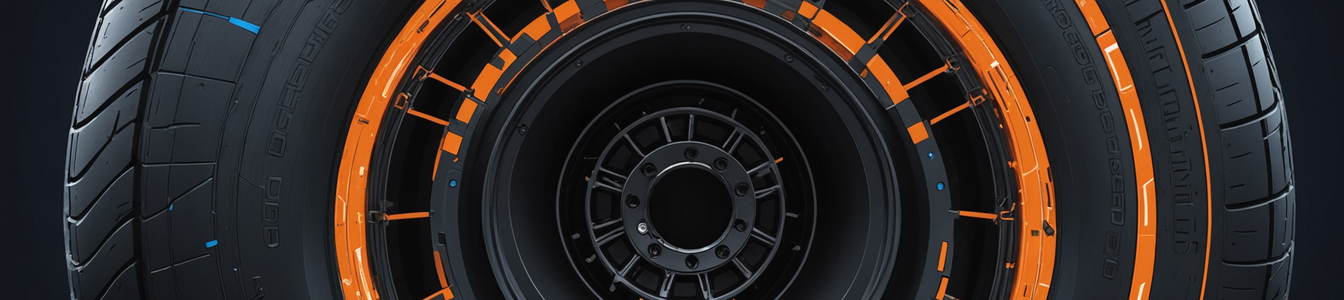
The automotive industry is witnessing a transformative shift with the introduction of India's first embedded sensor tires by JK Tyre, representing a significant milestone in vehicle connectivity while simultaneously expanding the attack surface for potential cybersecurity threats. These intelligent tires incorporate advanced sensors that continuously monitor critical parameters including tire pressure, temperature, and tread wear, transmitting real-time data to vehicle control systems and cloud-based analytics platforms.
This technological advancement comes at a time when vehicle connectivity is rapidly evolving, as evidenced by Kia's implementation of industry-first remote over-the-air (OTA) updates directly from manufacturing plants. The convergence of smart component technology with comprehensive vehicle connectivity creates a complex ecosystem where security considerations must extend beyond traditional vehicle systems to include individual components and their communication pathways.
Security Implications of Embedded Tire Sensors
The integration of sensor-equipped tires introduces multiple security concerns that cybersecurity professionals must address. Each smart tire essentially becomes an IoT device with its own data transmission capabilities, creating new potential entry points for malicious actors. The wireless communication protocols used by these sensors could be vulnerable to interception, spoofing, or manipulation, potentially leading to false readings that might trigger unnecessary safety responses or mask genuine safety issues.
Furthermore, the data collected by these sensors—including vehicle usage patterns, performance metrics, and location information—represents valuable intelligence that requires robust protection. Unauthorized access to this data could compromise user privacy or provide insights into vehicle operations that could be exploited for malicious purposes.
Integration with Broader Automotive Systems
The true security challenge emerges when considering how these smart tires integrate with other vehicle systems. Data from tire sensors typically feeds into the vehicle's central computing architecture, influencing decisions made by safety systems, performance optimizers, and autonomous driving functions. A compromised tire sensor could potentially provide corrupted data that affects braking systems, stability control, or other critical vehicle functions.
This interconnectedness highlights the need for comprehensive security frameworks that consider not only individual component security but also the integrity of data flows between components and systems. Security measures must ensure that data from tire sensors is authenticated and validated before being used by critical vehicle systems.
Supply Chain and Manufacturing Security
The production of smart tires introduces additional security considerations throughout the supply chain. From the manufacturing of sensor components to the integration process and eventual deployment, each stage represents a potential vulnerability point. Security protocols must ensure that components cannot be tampered with during production, shipping, or installation.
Additionally, the software and firmware running on these embedded systems require secure update mechanisms to address discovered vulnerabilities throughout the product lifecycle. The absence of robust update mechanisms could leave vehicles vulnerable to exploits long after security issues are identified.
Regulatory and Standardization Challenges
The rapid advancement of smart tire technology outpaces current regulatory frameworks and industry standards. Cybersecurity professionals face the challenge of developing security guidelines that address the unique characteristics of tire-based sensor systems while maintaining compatibility with broader automotive security standards.
Industry collaboration will be essential to establish common security protocols, authentication mechanisms, and encryption standards that can be implemented across different manufacturers and vehicle types. Without such standardization, the automotive ecosystem risks fragmentation that could complicate security implementation and vulnerability management.
Future Outlook and Recommendations
As smart tires become more prevalent, the automotive cybersecurity community must prioritize several key areas. First, security-by-design principles should be incorporated into the development of all connected automotive components, including tires. Second, comprehensive testing protocols must be established to identify vulnerabilities in sensor systems and their integration with vehicle networks.
Third, industry-wide information sharing about threats and vulnerabilities will be crucial for maintaining security across the evolving automotive landscape. Finally, consumer education about the security implications of connected vehicle technologies will help build trust and awareness around these advanced systems.
The revolution in smart tire technology represents both an opportunity for enhanced vehicle safety and performance and a challenge for automotive cybersecurity professionals. By addressing these security concerns proactively, the industry can harness the benefits of connected tire technology while minimizing potential risks to vehicle safety and user privacy.
Comentarios 0
Comentando como:
¡Únete a la conversación!
Sé el primero en compartir tu opinión sobre este artículo.
¡Inicia la conversación!
Sé el primero en comentar este artículo.