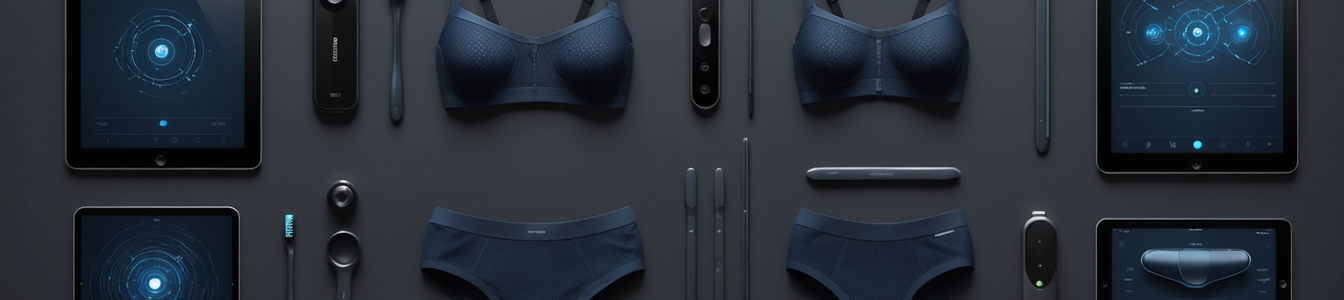
The evolution of the Internet of Things (IoT) has reached what security researchers are calling 'the intimate frontier'—a new generation of connected devices designed not just for our homes or wrists, but for integration with our most private biological functions. From smart underwear analyzing digestive gases to AI toothbrushes screening for systemic diseases and advanced continuous glucose monitors, these technologies promise revolutionary health insights while creating unprecedented cybersecurity vulnerabilities.
The New Category of Intimate IoT
The defining characteristic of this emerging device category is their direct interface with internal biological processes. Unlike fitness trackers that measure external metrics like steps or heart rate, these devices collect data from inside the body or from bodily emissions. The smart underwear technology, reportedly developed by researchers in the United States, uses embedded sensors to detect, quantify, and analyze gastrointestinal events including flatulence. This isn't merely novelty technology; researchers suggest the frequency and composition of digestive gases can provide important diagnostic information about gut health, food intolerances, and metabolic conditions.
Similarly, the AI-powered toothbrush represents a significant leap from basic connected oral care. According to reports, this device can perform preliminary disease screening in just 20 seconds by analyzing saliva composition and oral biomarkers. The implications are substantial: routine brushing could potentially flag early indicators of conditions like diabetes, certain cancers, or inflammatory diseases long before traditional symptoms appear.
Complementing these consumer devices are medical-grade technologies like the Smart 2.0 continuous glucose monitoring systems, which represent the professionalization of intimate IoT. These devices provide real-time metabolic data directly to patients and healthcare providers, creating continuous streams of highly sensitive health information.
Cybersecurity Implications of Biological Data
From a security perspective, intimate IoT devices represent a perfect storm of risk factors. First, the data they collect is uniquely sensitive. While a breached smart home device might reveal when someone is away, a breached intimate IoT device reveals what's happening inside their body. This includes not just diagnosed medical conditions but subtle biological patterns that could indicate undiagnosed issues, lifestyle habits, or even emotional states.
'This is biometric data at its most fundamental level,' explains Dr. Elena Rodriguez, a cybersecurity researcher specializing in medical devices. 'We're talking about information that reveals digestive rhythms, metabolic fluctuations, and oral microbiome composition. In the wrong hands, this data could be used for insurance discrimination, employment screening, or even targeted social engineering attacks that leverage someone's health anxieties.'
Second, these devices often employ novel sensor technologies and communication protocols that haven't undergone extensive security testing. The smart underwear, for example, must detect and transmit data about gaseous emissions—a technical challenge that likely required custom sensor development. Novelty in function often correlates with security immaturity, as developers prioritize functionality over protection.
Third, the data flow architecture creates multiple attack vectors. Most intimate IoT devices connect to smartphones via Bluetooth, which then transmit data to cloud servers for analysis. Each link in this chain—device firmware, Bluetooth communication, mobile applications, cloud APIs, and data storage—represents a potential vulnerability. A compromised AI toothbrush could serve as an entry point to a home network, while intercepted glucose monitor data could be altered to provide dangerous misinformation to patients or physicians.
Privacy Concerns Beyond Traditional Medical Data
Traditional health data protections like HIPAA in the United States were designed for clinical settings with clear boundaries between patients and providers. Intimate IoT devices blur these boundaries, often operating in consumer spaces with different regulatory frameworks. The smart underwear, for instance, might be marketed as a wellness product rather than a medical device, potentially avoiding stricter medical device regulations.
Furthermore, the aggregation of intimate biological data creates privacy concerns that extend beyond individual health conditions. Patterns in this data could reveal information about diet, stress levels, sleep quality, and even social behaviors. When combined with other data sources—location information from smartphones, purchase history, social media activity—these biological patterns could enable remarkably detailed profiling.
'We're entering an era where your digestive patterns might be correlated with your political views for microtargeting, or your oral microbiome data could be used to adjust your health insurance premiums,' warns cybersecurity analyst Marcus Chen. 'The business models for monetizing this data are still emerging, and without strong privacy safeguards, consumers could be trading their most intimate biological information for minor convenience or health insights.'
Technical Security Challenges
The technical implementation of intimate IoT devices presents unique security hurdles:
- Resource Constraints: Many of these devices are small, wearable, and battery-powered, limiting their computational resources for robust encryption and security protocols.
- Continuous Connectivity: Unlike intermittent-use devices, many intimate IoT sensors operate continuously, providing a constant data stream that must be secured in real-time.
- Sensor Integrity: The security of the sensors themselves becomes critical. Could a malicious actor spoof sensor readings to generate false health alerts or conceal genuine issues?
- Data Lifecycle Management: Biological data has different retention requirements than other IoT data. Should digestive pattern data be stored indefinitely? Who decides when it should be deleted?
- Consent Mechanisms: Traditional click-through agreements are inadequate for devices that collect such sensitive information. How can meaningful, ongoing consent be implemented for continuous biological monitoring?
The Path Forward for Security Professionals
The cybersecurity community must take several urgent actions to address the risks of intimate IoT:
- Develop Specialized Security Frameworks: Existing IoT security guidelines need expansion to address the unique requirements of biological data collection and transmission.
- Advocate for Regulatory Updates: Security professionals should engage with policymakers to ensure intimate IoT devices receive appropriate regulatory oversight, regardless of their marketing classification.
- Research Novel Attack Vectors: The academic and industry research communities need to investigate potential exploits specific to biological sensors and intimate data collection.
- Create Consumer Awareness Tools: Security professionals can develop resources to help consumers understand the risks and ask the right questions before adopting intimate IoT technologies.
- Implement Privacy-by-Design: Manufacturers must be encouraged—and potentially regulated—to implement strong privacy protections from the initial design phase, including data minimization, strong encryption, and clear user controls.
As intimate IoT devices move from research prototypes to commercial products, the window for establishing robust security and privacy standards is closing rapidly. The cybersecurity community has successfully navigated previous IoT waves, from smart homes to industrial systems. The intimate frontier presents a more complex challenge, requiring not just technical solutions but ethical frameworks for protecting what makes us most human—our biological selves.
The promise of these technologies is undeniable: earlier disease detection, personalized health insights, and greater autonomy in managing our wellbeing. But without adequate security, that promise could come at the cost of our most private selves. In the race to innovate, we must ensure that security and privacy keep pace with technological advancement, creating an intimate IoT ecosystem that protects as much as it reveals.
Comentarios 0
Comentando como:
¡Únete a la conversación!
Sé el primero en compartir tu opinión sobre este artículo.
¡Inicia la conversación!
Sé el primero en comentar este artículo.