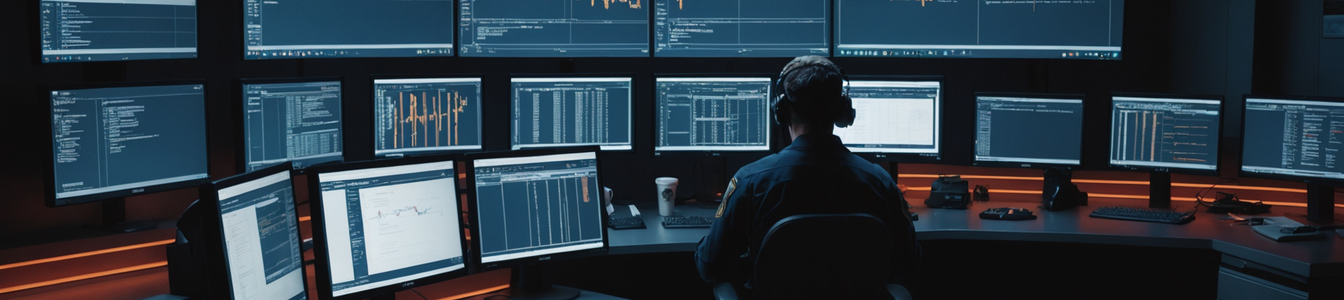
The modern Security Operations Center (SOC) is often portrayed as a high-tech fortress, a gleaming hub where advanced algorithms and skilled professionals neutralize threats in real-time. Yet, beneath this veneer of digital resilience lies a simmering crisis at its very core: the systematic failure of the Tier 1 security analyst. These frontline defenders, tasked with the monumental job of triaging endless streams of alerts, are burning out at an alarming rate, transforming what should be a robust human firewall into a critical point of failure. This isn't a shortage of tools; it's a fundamental breakdown in how we support the humans who wield them.
The Breaking Point: Alert Fatigue and the Turnover Spiral
The daily reality for a Tier 1 analyst is a relentless onslaught. SIEM consoles blaze with thousands of alerts daily, the vast majority being false positives or low-fidelity noise. The role demands constant context-switching, rapid decision-making under pressure, and the psychological burden of knowing a missed signal could lead to a catastrophic breach. This environment is a perfect incubator for burnout. High turnover—often cited at 30% or more annually—is the most visible symptom. Each departure represents not just a lost employee but a significant loss of institutional knowledge and a costly recruitment and training cycle, leaving the SOC perpetually understaffed and inexperienced.
This churn creates a dangerous paradox. Organizations invest millions in cutting-edge threat intelligence platforms and detection tools, yet the frontline operators are too overwhelmed, under-trained, or transient to use them effectively. The technology stack grows more sophisticated, but the human element is left behind, creating a widening gap between potential and actual defensive capability.
The Intelligence Disconnect: Powerful Tools, Powerless Analysts
The cybersecurity industry is not blind to these challenges. Recent industry events, like the SANS Cyber Threat Intelligence Summit 2026, and award ceremonies, such as the Teiss Cybersecurity Awards, highlight a concerted push towards more powerful, integrated, and actionable intelligence solutions. Providers are being recognized for platforms that offer real-time threat data, AI-driven correlation, and automation to reduce manual tasks.
For instance, platforms recognized for excellence emphasize capabilities like global threat monitoring, predictive analytics, and automated enrichment—all designed to give analysts a fighting chance. The promise is to elevate the Tier 1 role from a mere alert sifter to a more strategic investigator by automating the mundane and providing rich context. However, this promise often falls flat at implementation. Without proper integration, training, and workflow design, these powerful platforms can become just another complicated interface, adding to the cognitive load rather than reducing it.
Building a Resilient Frontline: A Three-Pillar Framework
Fixing the Tier 1 crisis requires moving beyond purchasing the next silver-bullet software. It demands a holistic, human-centric strategy built on three foundational pillars:
- Strategic Empowerment, Not Just Hiring: CISOs must redefine the Tier 1 role from a stepping stone to a career destination. This involves creating clear, rewarding career pathways into Tier 2, threat hunting, or other specializations. Investment must shift from purely technical tools to include simulation-based continuous training, mentorship programs, and fostering a culture of psychological safety where asking questions is encouraged.
- Intelligence Integration, Not Just Installation: Deploying a best-in-class threat intelligence platform is only step one. The critical work is weaving that intelligence directly into the SOC analyst's workflow. Contextual data on indicators of compromise (IOCs), attacker tactics, techniques, and procedures (TTPs), and campaign insights must be delivered automatically within the SIEM or ticketing system. The goal is to put actionable knowledge at the analyst's fingertips at the moment of decision, turning raw data into a decisive advantage.
- Workflow Automation, Not Just Accumulation: The primary goal of technology should be to reduce the burden on the human analyst. This means aggressively automating repetitive, low-level tasks: alert enrichment, initial triage based on high-confidence rules, and the generation of initial incident reports. By automating the "what," analysts are freed to focus on the "why" and "how"—conducting deeper investigation, understanding attacker intent, and developing hunt hypotheses. This makes the work more engaging and intellectually stimulating, directly combating burnout.
The Path Forward: From Cost Center to Strategic Asset
The narrative around SOCs must evolve. The Tier 1 analyst cannot be viewed as a replaceable cog in a machine or a mere cost center. They are the sensory nervous system of an organization's cyber defense. Their well-being and effectiveness are directly proportional to the organization's security posture.
Investing in their development, equipping them with intelligently integrated tools, and designing humane, sustainable workflows is not an HR initiative—it is a core security imperative. The awards and innovations showcased in the industry prove the tools are there. The challenge now is one of leadership and organizational design. By closing the human-technology gap and building a supported, skilled, and stable frontline, organizations can finally resolve the frontline paradox and transform their SOC from a vulnerability into a genuine fortress of resilience.
Comentarios 0
Comentando como:
¡Únete a la conversación!
Sé el primero en compartir tu opinión sobre este artículo.
¡Inicia la conversación!
Sé el primero en comentar este artículo.