The sound of gunfire near a diplomatic compound is not just a physical security incident; it is the starting pistol for a complex, high-stakes operational sequence within the modern Security Operations Center (SOC). Recent events in Haiti and Pakistan provide a stark reminder of how kinetic attacks create immediate, cascading pressure on cybersecurity teams, forcing a rapid fusion of physical, intelligence, and digital security domains.
The Triggering Events: From Gunfire to Gridlock
In Port-au-Prince, Haiti, heavy gunfire erupted near the U.S. Embassy, prompting the State Department to issue urgent security alerts advising American citizens to avoid the area. This incident occurred amidst a backdrop of severe political instability and gang violence, creating a volatile environment where any attack on a diplomatic facility is treated as a potential precursor to a coordinated multi-vector assault.
Simultaneously, over 7,000 miles away, Pakistani security forces engaged in intense operations in the restive Balochistan province. Reports indicate these operations resulted in the deaths of 15 Pakistani soldiers and 92 militants. While not directly targeting an embassy, such large-scale kinetic engagements in a geopolitically sensitive region immediately elevate the threat posture for all foreign diplomatic and critical infrastructure assets in the area. SOCs monitoring these regions must now account for potential retaliatory attacks, increased hostile surveillance, and cyber operations meant to distract or disrupt security responses.
The SOC Under Fire: Cascading Alerts and Operational Overload
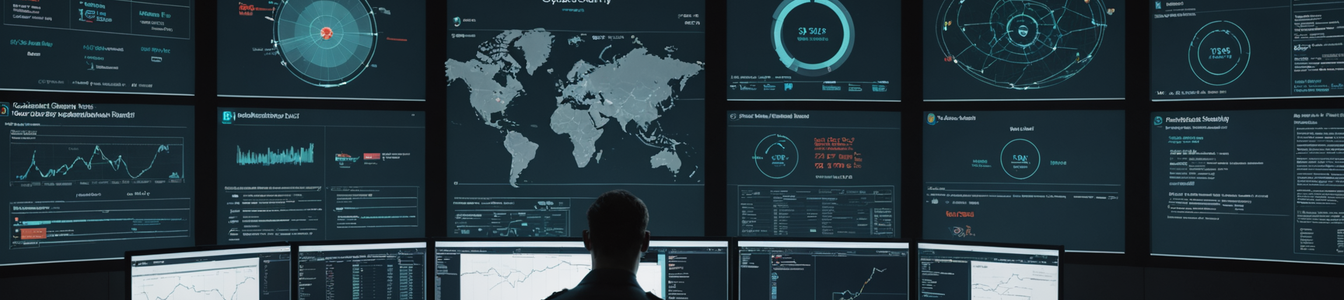
The moment a physical security incident is reported, the SOC's dashboard lights up with a flood of correlated and uncorrelated alerts. This is the phenomenon of cyber-physical alert cascading.
- Physical Sensor Integration: Gunshot detection systems, breached perimeter alarms, and panic button activations generate immediate, high-priority tickets. These are no longer just facilities management alerts; they are ingested as critical events into the Security Information and Event Management (SIEM) system, often via integrated Physical Security Information Management (PSIM) platforms.
- Intelligence Feed Saturation: Open-Source Intelligence (OSINT) monitoring tools flag local news reports, social media chatter ("#PortauPrince," "#Balochistan"), and encrypted messaging app traffic related to the incident. Human Intelligence (HUMINT) and Signals Intelligence (SIGINT) feeds from government partners may provide classified context, adding another layer of data that must be processed, sanitized, and correlated—all under extreme time pressure.
- Digital Threat Hunting Spike: Concurrently, threat hunters shift focus. They search for network reconnaissance activity (port scans, vulnerability scans) targeting the embassy's external IP ranges. They analyze logs for anomalous access attempts to virtual private networks (VPNs) or cloud-based diplomatic communications platforms, fearing that the physical attack is a smokescreen for a digital breach. Email security gateways are scrutinized for a potential surge in phishing campaigns exploiting the crisis.
The Human Factor: Alert Fatigue and Crisis Decision-Making
This deluge of data creates a perfect storm for SOC alert fatigue. Analysts, already managing hundreds of daily alerts, must now triage a sudden influx of high-severity, potentially life-threatening events. The cognitive load is immense. A routine phishing alert that might be deprioritized on a normal day could now be part of a coordinated login credential harvest to facilitate network access during the chaos. Playbooks designed for isolated cyber incidents often fail to account for the kinetic-digital hybrid scenario.
Effective response requires seamless coordination between traditionally siloed teams: the on-ground Marine Security Guards or diplomatic security personnel, the intelligence cell, the network operations center (NOC), and the cyber SOC. Communication protocols are tested. Secure crisis communication channels, often reliant on the very network infrastructure under potential threat, become a single point of failure if not properly resilient.
Lessons for Cyber-Physical Security Operations
These incidents underscore several non-negotiable requirements for SOCs protecting critical physical assets:
- Integrated Playbooks: Crisis response playbooks must be hybrid, outlining clear steps for simultaneous physical lockdown and digital defense escalation. Roles and responsibilities for cyber-physical handoff must be drilled regularly.
- Intelligence Fusion Platforms: SOCs need technology that can normalize data from physical sensors, OSINT tools, threat intelligence feeds (STIX/TAXII), and internal logs into a single pane of glass. Artificial intelligence and machine learning (AI/ML) for alert correlation are not luxuries but necessities to reduce noise during crises.
- Resilient Comms: Redundant, out-of-band communication systems (e.g., satellite phones, hardened tactical networks) are essential for maintaining command and control when primary networks are in jeopardy.
- Geo-Specific Threat Modeling: SOCs must maintain dynamic threat models for each location they protect. The indicators of compromise (IOCs) and tactics, techniques, and procedures (TTPs) for a gang-related incident in Haiti differ from those of an insurgent attack in Balochistan, and monitoring must be tailored accordingly.
Conclusion: The Converging Battlefield
The lines between physical and digital security have irrevocably blurred. An attack on an embassy wall is now an attack on its digital perimeter, and vice versa. For SOC managers, the lessons from Haiti and Pakistan are clear: preparing for cyber-physical convergence is no longer a theoretical exercise. It requires integrated technology, fused teams, and practiced protocols to ensure that when the first shot is fired—whether from a gun or a keyboard—the security response is unified, decisive, and resilient. The next test is not a matter of if, but when.
Comentarios 0
Comentando como:
¡Únete a la conversación!
Sé el primero en compartir tu opinión sobre este artículo.
¡Inicia la conversación!
Sé el primero en comentar este artículo.