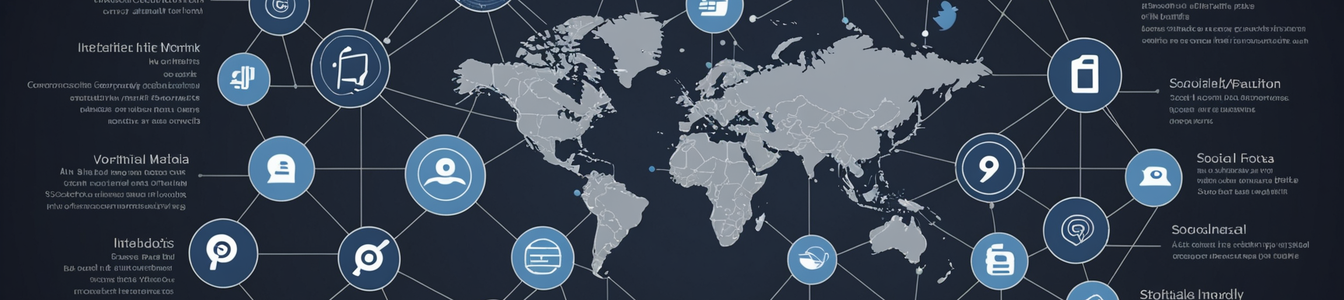
The digital landscape is witnessing an alarming surge in sophisticated social engineering campaigns where cybercriminal organizations systematically recruit bank account 'mules' through social media platforms. These operations represent a fundamental shift in financial fraud tactics, exploiting economic vulnerabilities and digital trust to bypass traditional security measures.
Social media platforms have become the primary hunting ground for fraud recruitment, with criminals posting legitimate-looking advertisements offering quick money opportunities, fake remote work positions, and financial assistance programs. These ads specifically target economically vulnerable populations, including students, unemployed individuals, and those facing financial hardship.
The recruitment process typically begins with social media advertisements that promise easy money for minimal work. Once potential targets express interest, the conversation moves to encrypted messaging platforms like WhatsApp, where criminals establish personal relationships and build trust over time. This multi-platform approach makes detection more challenging for security systems.
During holiday seasons and e-commerce boom periods, these campaigns intensify significantly. The increased financial activity and online shopping create perfect conditions for fraud operations to blend in with legitimate transactions. Recent data from Latin American markets shows a particularly sharp increase during December, coinciding with Christmas bonuses and increased consumer spending.
The technical sophistication of these operations is concerning. Criminals use advanced social engineering techniques, including:
- Fake company profiles with professional branding
- Multi-stage verification processes that mimic legitimate employment procedures
- Gradual escalation of requests to normalize illegal activities
- Psychological manipulation leveraging financial desperation
These campaigns effectively bypass Know Your Customer (KYC) protections by using legitimate bank accounts belonging to real people who have been manipulated into participating. The 'mules' often believe they're participating in legitimate business activities until it's too late.
Security professionals face significant challenges in combating these schemes. The distributed nature of the recruitment, combined with the use of legitimate platforms and genuine user accounts, makes traditional detection methods less effective. Additionally, the cross-border nature of these operations complicates law enforcement efforts.
Protection strategies must evolve to address this growing threat. Organizations should implement:
- Advanced behavioral analytics to detect unusual account activity patterns
- Enhanced employee training on social engineering tactics
- Multi-factor authentication and transaction verification systems
- Public awareness campaigns about financial fraud risks
- Collaboration with social media platforms to identify and remove fraudulent recruitment content
The crisis highlights the urgent need for a coordinated response between financial institutions, social media companies, law enforcement, and cybersecurity professionals. As these recruitment tactics continue to evolve, the cybersecurity community must develop more sophisticated detection and prevention strategies to protect vulnerable populations from exploitation.
Future security measures will likely incorporate artificial intelligence and machine learning to identify recruitment patterns across multiple platforms. However, the human element remains critical - educating potential targets about these schemes may be the most effective defense against this growing threat to financial security.
Comentarios 0
Comentando como:
¡Únete a la conversación!
Sé el primero en compartir tu opinión sobre este artículo.
¡Inicia la conversación!
Sé el primero en comentar este artículo.