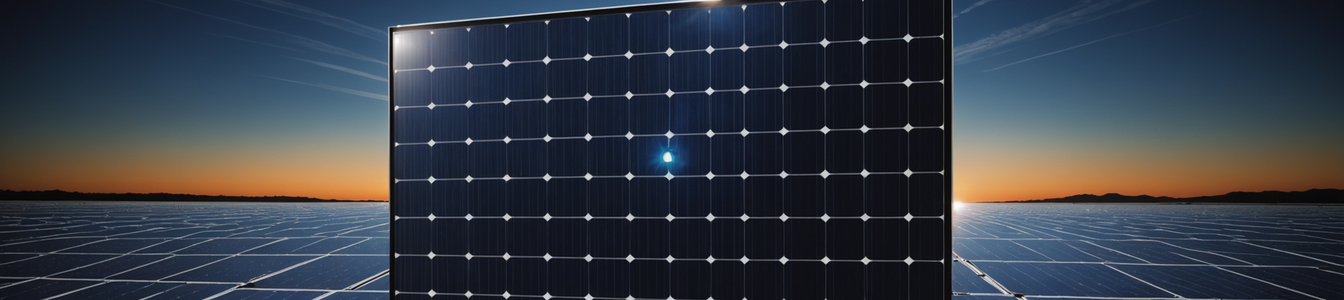
The renewable energy revolution has brought with it a silent but critical vulnerability: the digital gateways controlling solar farms and other distributed energy resources are becoming prime targets for credential-based attacks. As photovoltaic (PV) systems proliferate globally, their remote management interfaces—often connected directly to Supervisory Control and Data Acquisition (SCADA) systems—create attack surfaces where stolen usernames and passwords can lead to real-world physical consequences.
The Anatomy of a Credential Compromise Attack on Solar Infrastructure
Credential compromise attacks against PV systems typically follow a predictable pattern. Attackers begin with reconnaissance, scanning for exposed web interfaces of solar monitoring platforms, inverter management systems, or SCADA human-machine interfaces (HMIs) connected to the public internet. Many of these systems, deployed during rapid expansion phases, retain default manufacturer credentials or use weak authentication protocols.
Once initial access is gained through credential stuffing, phishing campaigns targeting solar farm operators, or exploitation of known vulnerabilities in web applications, attackers establish a foothold. From this position, they can move laterally within the operational technology (OT) network, often finding minimal segmentation between corporate IT systems and critical control systems.
From Digital Breach to Physical Impact
The true danger emerges when attackers transition from digital access to physical manipulation. With legitimate credentials, an attacker can:
- Manipulate Power Output: Gradually increase or decrease power generation to destabilize local grids, potentially causing frequency fluctuations or voltage irregularities that could damage connected equipment.
- Cause Physical Damage: Send commands to inverters that exceed their operational specifications, leading to overheating, component failure, or even fire hazards in extreme cases.
- Disrupt Energy Markets: Manipulate production data to create false scarcity or surplus, impacting energy trading markets that rely on accurate generation forecasts.
- Establish Persistence: Create backdoor accounts or modify system configurations to maintain access even if original credentials are changed.
The Convergence Challenge: IT/OT Boundaries Blur
Solar farms represent a perfect storm of converging risk factors. Originally designed as isolated systems, modern PV installations now feature extensive connectivity for efficiency monitoring, predictive maintenance, and performance optimization. This connectivity often bridges the air-gap that traditionally protected industrial control systems.
Many solar SCADA systems use commercial off-the-shelf software with known vulnerabilities, while proprietary protocols for inverters and monitoring devices frequently lack basic security features like encryption or strong authentication. The operational reality of distributed energy resources—often managed remotely with limited on-site staff—creates dependency on these digital interfaces that weren't designed with nation-state level threats in mind.
Mitigation Strategies for Critical Infrastructure Operators
Addressing this threat requires a fundamental shift in how renewable energy infrastructure is secured:
- Zero Trust Architecture: Implement strict identity verification for every person and device attempting to access resources, regardless of whether they're inside or outside the network perimeter.
- Multi-Factor Authentication (MFA): Mandate MFA for all remote access to monitoring and control systems, particularly for privileged accounts with SCADA access.
- Network Segmentation: Create air-gapped networks or implement robust network segmentation between corporate IT, monitoring systems, and critical control systems.
- Credential Monitoring: Deploy solutions that detect anomalous credential use, including logins from unusual geographic locations or at atypical times.
- Vendor Security Requirements: Establish stringent cybersecurity requirements in procurement processes, demanding security-by-design in all components from inverters to monitoring software.
The Broader Implications for National Security
The vulnerability of solar infrastructure extends beyond individual facilities. As renewable penetration increases, coordinated attacks against multiple solar farms could create cascading failures in regional grids. Nation-state actors recognize this leverage, making solar farms not just economic targets but potential instruments of geopolitical influence.
Regulatory bodies are beginning to respond, with new standards emerging for critical infrastructure protection in the energy sector. However, the pace of regulatory action lags behind both technological deployment and threat evolution, creating a window of vulnerability that attackers are actively exploiting.
Conclusion: Securing the Energy Transition
The transition to renewable energy represents one of humanity's most important technological shifts, but its cybersecurity foundations remain dangerously underdeveloped. Credential compromise attacks against solar infrastructure highlight a fundamental truth: in interconnected critical infrastructure, identity becomes the new perimeter. Protecting this transition requires recognizing that every solar panel now has a digital shadow, and that shadow must be defended with the same rigor as the physical asset itself.
The cybersecurity community must engage directly with renewable energy engineers, operators, and regulators to build security into the fabric of our future energy systems. The alternative—retrofitting security after widespread deployment—creates vulnerabilities that adversaries are already learning to exploit, turning our clean energy future into a new battlefield in cyber-physical conflict.
Comentarios 0
Comentando como:
¡Únete a la conversación!
Sé el primero en compartir tu opinión sobre este artículo.
¡Inicia la conversación!
Sé el primero en comentar este artículo.