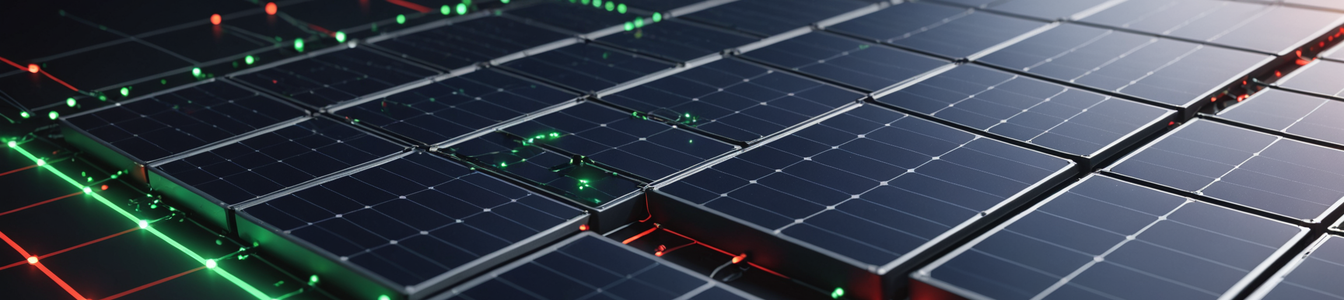
The global transition to renewable energy is entering a hyper-deployment phase. From the vast solar-plus-storage projects breaking ground in Zambia to state-level initiatives in India's Maharashtra region, billions are flowing into green infrastructure. Yet, beneath the promise of a sustainable future lies a growing and often overlooked threat: the fragile cybersecurity foundation of these critical systems. Security researchers and critical infrastructure experts are sounding the alarm that the rapid integration of Internet of Things (IoT) devices, industrial control systems (ICS), and consumer-grade technology into the energy grid is creating a perfect storm of cyber-physical risk.
The scale of the challenge is monumental. Projects like Zambia's largest solar-plus-storage facility represent a new generation of energy infrastructure. They are not simple power plants; they are complex, interconnected networks of photovoltaic panels, smart inverters, battery management systems (BMS), weather sensors, and remote monitoring platforms. Each component is a potential entry point. A vulnerability in a solar inverter's communication protocol could allow an attacker to manipulate power output. A flaw in the BMS software could lead to battery overcharging, thermal runaway, and physical fire. These systems are often designed for efficiency and cost-effectiveness first, with security as a secondary consideration, if considered at all.
Simultaneously, initiatives like the ₹13 crore solar project for the Maharashtra State Transport Corporation illustrate the proliferation of green tech into public services. While aimed at cutting energy costs and carbon footprints, such projects integrate energy management systems with broader municipal or corporate IT networks. This convergence blurs the traditional air-gapped boundaries of operational technology (OT), exposing historically isolated control systems to threats from the enterprise IT environment and the public internet.
Adding another layer of complexity is the involvement of consumer IoT manufacturers in the sustainability ecosystem. The announcement that EZVIZ, a major player in connected cameras and smart home devices, has joined the United Nations Global Compact reflects a broader trend. Technology companies are keen to align with environmental, social, and governance (ESG) goals. However, their core products have historically been plagued by security shortcomings—default passwords, unpatched firmware, insecure cloud APIs, and weak encryption. As these devices are marketed for "smart building" management or perimeter security for green infrastructure sites, they introduce well-known vulnerabilities into sensitive environments. A compromised security camera on a solar farm could serve as a pivot point into the operational network controlling the entire facility.
The cyber-physical nature of these risks elevates the stakes beyond data breaches. Attacks can have tangible, dangerous consequences. Adversaries—whether state-sponsored actors, cybercriminals, or hacktivists—could aim to cause financial damage through operational disruption, destabilize local grids to create social unrest, or even use infrastructure as a weapon. The 2021 Colonial Pipeline ransomware attack demonstrated how IT-focused cyber incidents can cripple physical infrastructure. The next wave may target the infrastructure itself.
Several critical vulnerabilities define this fragile foundation:
- Insecure by Design: Many IoT sensors and controllers used in renewable projects lack basic security features like secure boot, hardware-backed encryption, or robust authentication mechanisms.
- Supply Chain Opacity: The complex supply chain for solar panels, inverters, and batteries makes it difficult to vet the cybersecurity posture of every component. A backdoor in a single vendor's software could compromise thousands of installations.
- Skill Gap: Engineering teams responsible for deploying and maintaining green infrastructure often possess deep domain knowledge in renewables but limited expertise in cybersecurity threat modeling and mitigation.
- Regulatory Lag: Cybersecurity regulations for the traditional energy sector are still evolving and often do not specifically address the unique architecture and components of distributed renewable generation and storage.
Addressing this crisis requires a paradigm shift. The cybersecurity community must engage proactively with energy engineers, project financiers, and policymakers. Security cannot be an afterthought or a checkbox in an ESG report; it must be a foundational design principle—"secure by design and by default." This involves:
- Developing and enforcing industry-specific security standards for green IoT and energy management systems.
- Mandating software bills of materials (SBOMs) for all critical components to improve supply chain transparency.
- Creating cross-disciplinary training programs to build hybrid teams that understand both power systems engineering and cyber threat intelligence.
- Conducting rigorous red team and penetration testing exercises on green infrastructure before and during operational phases.
The race to decarbonize our economy is essential, but it must not be a race to the bottom on security. Building a sustainable future requires building a resilient one. The cybersecurity industry has a critical window to embed robust protections into the very blueprint of our new energy infrastructure, ensuring that the foundation of our green future is not only clean but also strong and secure.
Comentarios 0
Comentando como:
¡Únete a la conversación!
Sé el primero en compartir tu opinión sobre este artículo.
¡Inicia la conversación!
Sé el primero en comentar este artículo.