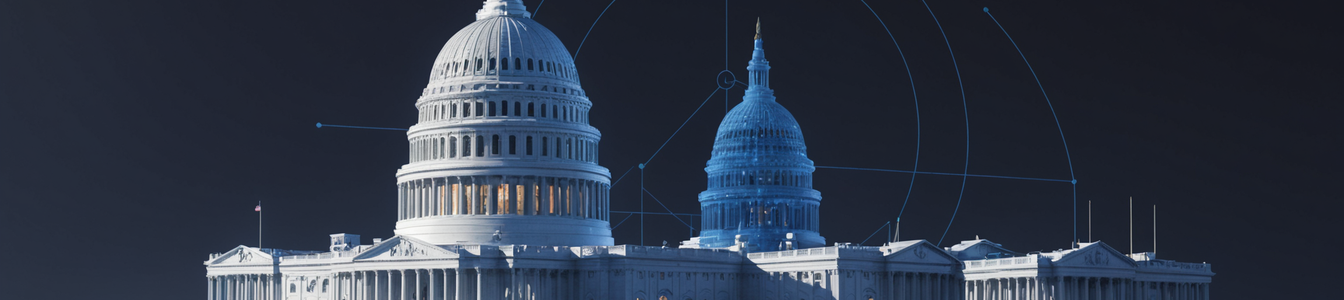
The CLARITY Act Endgame: How Banking Lobby Battles and Stablecoin Rewards Threaten Crypto's Regulatory Future
Behind closed doors in Washington D.C., a high-stakes regulatory battle is unfolding that will define the security architecture of the next generation of financial assets. The focus is the proposed CLARITY Act, specifically its provisions governing payment stablecoins. Recent negotiations, involving the White House, traditional banking institutions, and major crypto firms, have centered on one of the most contentious issues: whether and how stablecoins can offer rewards or yields to holders.
The Core Conflict: Yield as a Systemic Risk
The banking lobby, represented by powerful industry groups, has mounted a vigorous campaign to severely restrict or outright ban stablecoin rewards. Their argument, presented in multiple technical briefings to lawmakers, frames interest-bearing stablecoins as a dual threat. First, they claim these instruments could create shadow banking systems outside traditional regulatory perimeters, potentially accumulating unchecked leverage and credit risk. Second, they argue that rewards programs could trigger destabilizing "digital bank runs" during market stress, where rapid mass redemptions could overwhelm custodians and liquidity pools, creating contagion risk.
Cybersecurity experts note this debate directly impacts system design. "The permission to offer rewards influences everything from reserve management to smart contract architecture," explains a fintech security consultant familiar with the talks. "If rewards are permitted, the cybersecurity requirements for custody solutions, real-time auditing, and anti-fraud monitoring become exponentially more complex. It's not just about protecting assets; it's about ensuring the integrity of reward mechanisms themselves."
The White House Proposal and Crypto's Counter-Argument
In a recent third meeting between stakeholders, the White House floated a compromise position: allowing limited stablecoin rewards but under stringent conditions that would effectively place issuers under bank-like supervision. This would include mandatory federal charters, daily reserve reporting to regulators, and strict capital requirements. The proposal aims to address banking sector concerns about "regulatory arbitrage"—where crypto firms might offer bank-like services without facing equivalent oversight.
Crypto industry representatives, including executives from Ripple and other major firms, have reportedly made what they describe as a "breakthrough" in negotiations by offering concessions on issuer licensing and transparency. However, they vehemently oppose what they call the "banking cartel's" attempt to ban rewards entirely. Their security-focused argument emphasizes that well-regulated yield mechanisms, built on transparent blockchain ledgers with programmable compliance, could actually enhance financial system resilience by providing auditable, real-time visibility into reserve backing—something opaque traditional banking systems lack.
"A blanket ban on rewards ignores the technical reality of decentralized finance," argues a blockchain security architect. "Yield-generating protocols exist on-chain regardless of legislation. The security question is whether this activity happens in regulated, audited environments with proper custody, or in completely permissionless protocols where U.S. authorities have zero visibility or control over cybersecurity standards."
Cybersecurity Implications of the Regulatory Framework
The technical details being negotiated carry profound security consequences:
- Custody and Reserve Requirements: The Act will define whether stablecoin reserves must be held with FDIC-insured banks (favored by traditional banks) or with qualified custodians using advanced cryptographic techniques (favored by crypto firms). The former concentrates risk in traditional financial infrastructure, while the latter creates new attack surfaces around key management and multi-party computation systems.
- Smart Contract Auditing Mandates: Proposals include requiring formal verification and regular third-party security audits of any smart contracts involved in reward distribution. This would create a new cybersecurity compliance sector but could also slow innovation.
- Anti-Money Laundering (AML) Integration: The requirement to integrate reward mechanisms with real-time transaction monitoring systems poses significant technical challenges, balancing privacy, scalability, and regulatory compliance.
- Operational Resilience Standards: Expectations for uptime, disaster recovery, and incident response for stablecoin platforms are being debated. These standards would need to match or exceed those of payment systems but apply to decentralized or semi-decentralized networks.
Market Reaction and the Path Forward
The cryptocurrency market has reacted positively to signs of progress, with prices rising on optimism that regulatory clarity—even if restrictive—is preferable to the current uncertainty that hampers institutional adoption and security investment. This market movement underscores a key point: the industry craves predictable rules to build secure, compliant infrastructure.
The escalating conflict now presents a fundamental choice for regulators. They can side with the banking lobby's risk-averse approach, potentially pushing innovative yield mechanisms into less regulated jurisdictions with weaker cybersecurity oversight. Alternatively, they can create a new, tailored regulatory category for digital assets that embraces technological innovation while establishing world-leading security and consumer protection standards.
For cybersecurity professionals, the outcome will determine the threat landscape for years. A bank-centric model means defending familiar, centralized infrastructure. A new digital asset framework means securing novel attack vectors in decentralized systems, programmable money, and cross-chain bridges. Either path requires significant investment in new skills, tools, and defensive paradigms.
The final negotiations of the CLARITY Act represent more than a policy debate; they are a decisive moment for the security architecture of the future financial system. The decisions made in these closed-door meetings will either construct robust guardrails for a new digital economy or create fragmented, vulnerable systems by forcing innovation into the shadows. The cybersecurity community must engage now to ensure security, not just legacy interests, guides this critical regulatory framework.
Comentarios 0
Comentando como:
¡Únete a la conversación!
Sé el primero en compartir tu opinión sobre este artículo.
¡Inicia la conversación!
Sé el primero en comentar este artículo.