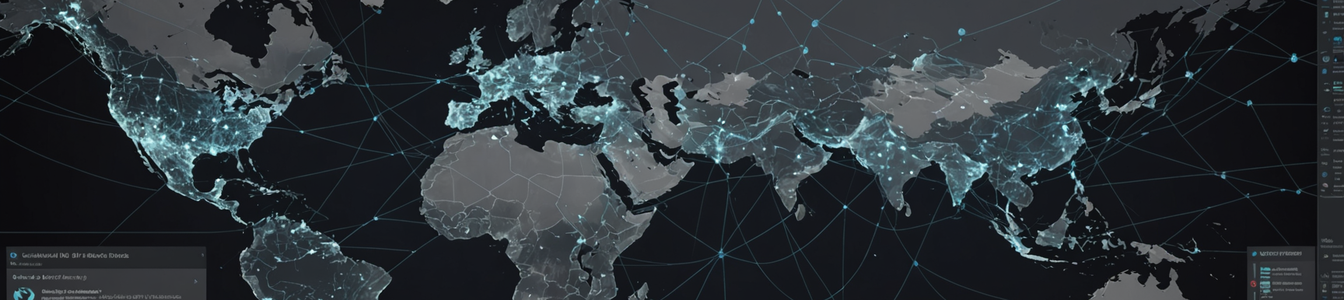
The global cybersecurity landscape is facing an unprecedented challenge as coordinated state-sponsored attacks simultaneously target critical infrastructure across multiple nations. Recent incidents spanning Europe and affecting global corporations reveal sophisticated operational patterns that security experts describe as the new normal in digital warfare.
In Denmark, government and defense websites experienced significant disruptions in what appears to be a carefully orchestrated campaign. While specific technical details remain classified, security analysts have identified patterns consistent with advanced persistent threat (APT) group activities. The timing and methodology suggest these attacks may be part of broader geopolitical tensions, though attribution remains challenging in the complex cyber domain.
The French incident demonstrates how digital breaches can translate into physical security threats. Cybercriminals targeting the French shooting federation gained access to sensitive member data, which they then used to orchestrate a sophisticated physical theft operation. Impersonating police officers, the perpetrators successfully stole weapons and ammunition from a competitive shooter's residence in Nice. This case represents a dangerous convergence of cyber and physical security threats, where digital information gathering enables traditional criminal activities with enhanced precision and reduced risk for the perpetrators.
The automotive sector has also suffered significant impacts, with Tata Motors reporting substantial financial losses following cyber incidents affecting their Jaguar Land Rover (JLR) operations. The company anticipates revenue declines up to 7.2% year-over-year, highlighting the severe economic consequences of cybersecurity failures in globally integrated supply chains. The manufacturing disruption has created ripple effects throughout the automotive industry, affecting production timelines and dealer networks worldwide.
Security professionals note several concerning trends emerging from these incidents. The attacks demonstrate increasing sophistication in operational security, with threat actors employing multiple layers of obfuscation and leveraging legitimate infrastructure to avoid detection. The cross-border nature of these operations complicates investigation and response efforts, as jurisdictional boundaries and varying legal frameworks create obstacles for law enforcement agencies.
The economic impact extends beyond immediate financial losses. Companies facing such breaches often experience long-term reputational damage, increased insurance premiums, and heightened regulatory scrutiny. The cumulative effect on shareholder confidence and market stability can be substantial, particularly for publicly traded corporations with global operations.
Defensive strategies must evolve to address these complex threats. Organizations are increasingly adopting zero-trust architectures, implementing advanced threat detection systems, and enhancing employee security awareness training. International information sharing and coordinated response protocols have become essential components of modern cybersecurity frameworks.
As nation-states continue to develop and deploy sophisticated cyber capabilities, the line between traditional espionage and outright cyber warfare continues to blur. The incidents in Denmark, France, and the global automotive industry serve as stark reminders that no sector is immune to these threats, and that comprehensive, internationally coordinated defense strategies are urgently needed to protect critical infrastructure and maintain economic stability.
Comentarios 0
Comentando como:
¡Únete a la conversación!
Sé el primero en compartir tu opinión sobre este artículo.
¡Inicia la conversación!
Sé el primero en comentar este artículo.