The Digital Heist Epidemic: How Stolen Tech Fuels Global Cybercrime Networks
A disturbing trend is reshaping the cybersecurity landscape: the seamless integration of physical device theft with sophisticated digital crime operations. What begins as a simple smartphone theft in an American city can evolve into an international cybercrime incident spanning multiple continents and involving complex money laundering schemes.
The Transcontinental Device Pipeline
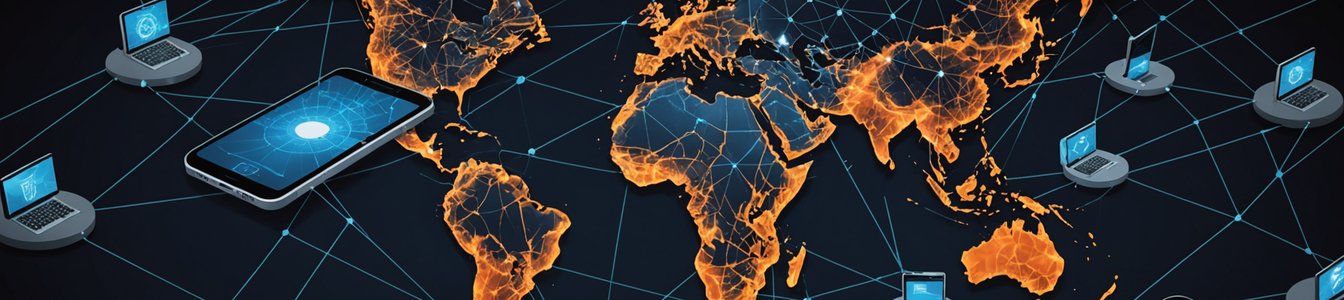
Recent investigations have uncovered well-organized networks that transport stolen mobile devices from Western countries to processing centers in Asia. A typical case involves smartphones stolen in the United States being systematically shipped to China, where specialized teams extract valuable data, bypass security protocols, and repurpose the devices for criminal activities. This international pipeline demonstrates the globalization of cyber-physical crime convergence.
These stolen devices serve multiple purposes in the cybercrime ecosystem. Beyond the immediate financial gain from reselling the hardware, criminals harvest personal information, access corporate networks through compromised enterprise applications, and use the devices as untraceable communication tools for coordinating larger attacks.
Banking Complicity and Money Laundering Networks
The financial component of these operations reveals equally sophisticated arrangements. In Mumbai, recent arrests exposed how bank managers allegedly collaborated with cybercriminals to create accounts specifically designed to conceal proceeds from digital crimes. These banking professionals provided the essential financial infrastructure that allowed stolen funds to enter the legitimate economy.
The Axis Bank case in Mumbai illustrates how cybercriminals are increasingly recruiting insiders within financial institutions. These compromised employees help create layered transaction patterns, establish shell companies, and manipulate banking systems to obscure the origin of illicit funds obtained through ransomware attacks, business email compromises, and cryptocurrency theft.
Malware-Infected Consumer Devices
The threat extends beyond stolen devices to compromised consumer electronics. Singaporean authorities recently issued warnings about non-certified Android TV boxes containing pre-installed malware. These devices, often sold as affordable streaming solutions, create backdoors into home networks and can be weaponized for larger attacks.
These infected devices demonstrate how cybercriminals are exploiting the Internet of Things (IoT) ecosystem. The malware typically remains dormant until activated remotely, at which point it can harvest credentials, mine cryptocurrency using the device's resources, or join botnets for distributed denial-of-service attacks.
Recovery and Mitigation Strategies
Despite the sophistication of these networks, recovery experts are developing effective countermeasures. Specialized firms now employ blockchain analysis, cross-border legal cooperation, and advanced tracking technologies to recover stolen cryptocurrency and identify criminal patterns.
The recovery process typically involves detailed transaction mapping, collaboration with international law enforcement, and working with cryptocurrency exchanges to freeze suspicious funds. Success rates have improved significantly as tracking methodologies become more refined and international cooperation mechanisms strengthen.
Regional credit card fraud operations, such as the recent Kolkata case, show how local criminal groups are integrating into these global networks. These groups often serve as the initial point of contact for physical theft and local money movement before funds are transferred to international syndicates.
Implications for Cybersecurity Professionals
This convergence of physical and digital crime demands new defensive strategies. Organizations must implement:
- Enhanced device management policies that include rapid remote wiping capabilities
- Multi-factor authentication that doesn't rely solely on mobile device verification
- Regular security awareness training focusing on physical device security
- Advanced monitoring for unusual financial transactions patterns
- Collaboration with law enforcement on cross-border cybercrime initiatives
The evolving threat landscape requires security teams to think beyond traditional digital perimeters and consider the physical journey of corporate devices and the potential compromise points throughout their lifecycle.
Future Outlook
As technology becomes more integrated into daily life, the opportunities for cyber-physical crime convergence will continue to expand. The security community must develop more sophisticated detection capabilities and foster greater international cooperation to disrupt these global networks effectively.
The interconnected nature of these threats means that no organization operates in isolation. A device stolen in one country can lead to a data breach affecting organizations worldwide, while funds stolen through digital means can be laundered through financial institutions across multiple jurisdictions.
This new reality demands a holistic approach to security that addresses both digital and physical vulnerabilities while recognizing that the distinction between these domains is increasingly blurred in modern cybercrime operations.
Comentarios 0
Comentando como:
¡Únete a la conversación!
Sé el primero en compartir tu opinión sobre este artículo.
¡Inicia la conversación!
Sé el primero en comentar este artículo.