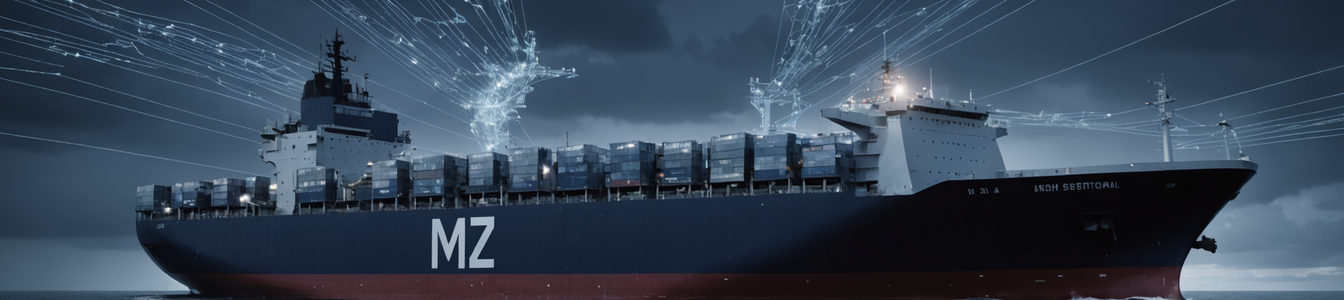
The seizure of container ships in the Strait of Hormuz by Iranian forces represents a critical escalation in the intersection of geopolitical conflict and physical supply chain security for cloud infrastructure. This is no longer a theoretical chokepoint risk; it is an active, kinetic attack on the arteries of the global digital economy.
On [date of incident], Iranian naval forces boarded and seized multiple container vessels attempting to transit the strait, a narrow waterway that connects the Persian Gulf to the open ocean. Video footage released by Iranian state media shows commandos rappelling from helicopters onto the decks of cargo ships, a dramatic display of force that underscores the operational shift from economic coercion to direct maritime interdiction.
For the cybersecurity community, the implications are profound. The Strait of Hormuz is not merely an oil chokepoint; it is a critical corridor for the physical supply chain of hyperscale data centers. Undersea cable systems that carry global internet traffic often run through or near this region. More immediately, the hardware that powers cloud computing—servers, storage arrays, networking equipment—is manufactured in Asia and shipped through these waters. A sustained disruption could lead to significant delays in data center expansion projects, hardware shortages, and increased costs.
Iran's stated position—that it will not reopen the strait while a US blockade remains—suggests this is not a temporary incident but a protracted crisis. This creates a scenario where cloud providers must operate under conditions of persistent supply chain uncertainty. Companies like Amazon Web Services, Microsoft Azure, and Google Cloud, which have invested billions in global infrastructure, now face the prospect of delayed hardware deliveries for facilities in Europe and the Americas.
The energy dimension cannot be overlooked. Data centers are voracious consumers of electricity. With over 20% of the world's oil passing through the Strait of Hormuz, any sustained disruption to energy supplies will drive up power costs for data centers, particularly in regions dependent on imported oil. This could force operators to make difficult decisions about capacity allocation and pricing.
From a security operations perspective, this event forces a reassessment of risk models. Traditional threat models for cloud infrastructure have focused on software vulnerabilities, data breaches, and denial-of-service attacks. The physical supply chain has been treated as a reliability issue rather than a security one. This incident demands that cybersecurity professionals integrate physical supply chain risk into their threat intelligence and business continuity planning.
For enterprises relying on cloud services, the immediate action items include: (1) reviewing hardware procurement timelines and identifying alternative supply routes, (2) stress-testing business continuity plans against prolonged hardware shortages, (3) engaging with cloud providers to understand their supply chain diversification strategies, and (4) reassessing the geopolitical risk exposure of critical infrastructure dependencies.
The diplomatic fallout is equally concerning. The seizure of civilian vessels in international waters without a formal declaration of war represents a breakdown of maritime law that has governed global trade for centuries. For the cybersecurity industry, which operates on a foundation of global cooperation and trust, this erosion of norms is deeply unsettling.
In conclusion, the Strait of Hormuz crisis is a watershed moment for physical supply chain security in the cloud era. It demonstrates that geopolitical instability can directly impact the availability and cost of cloud services in ways that traditional cybersecurity measures cannot address. The industry must now develop new frameworks for assessing and mitigating these risks, or face the consequences of being unprepared for the next kinetic attack on the digital infrastructure that underpins modern society.
Comentarios 0
Comentando como:
¡Únete a la conversación!
Sé el primero en compartir tu opinión sobre este artículo.
¡Inicia la conversación!
Sé el primero en comentar este artículo.